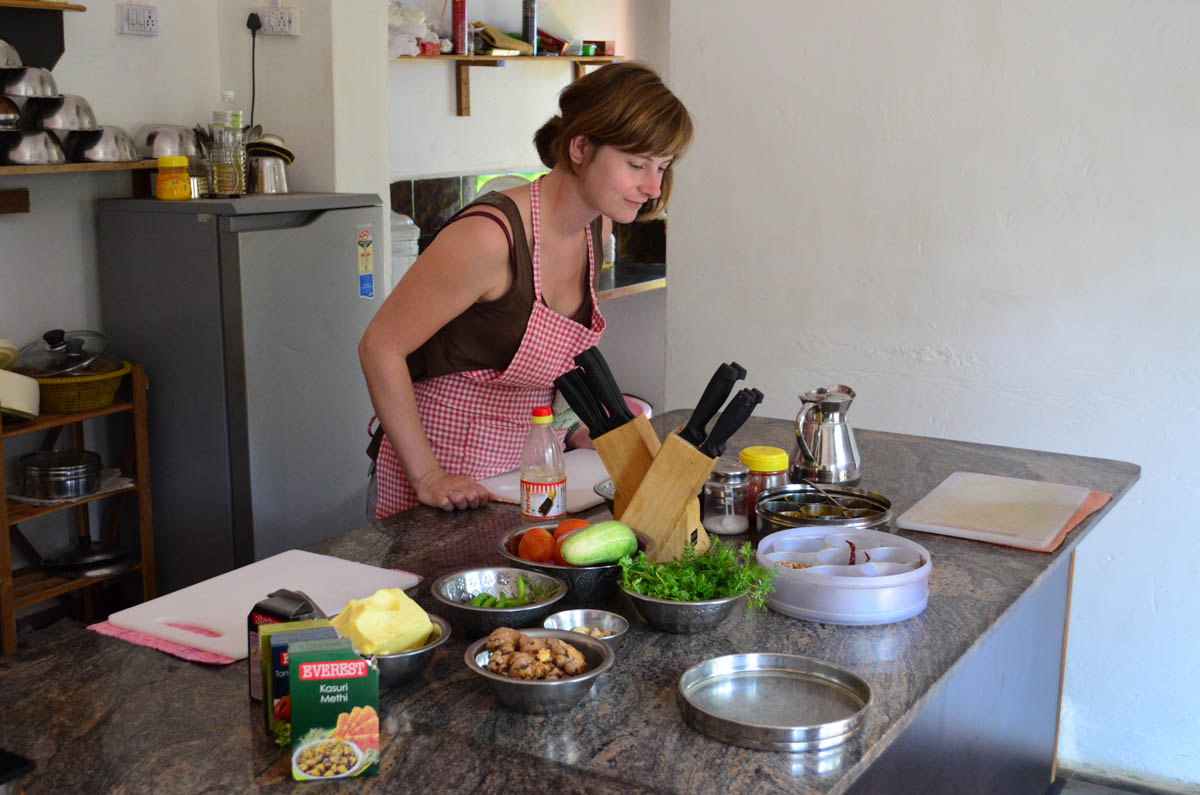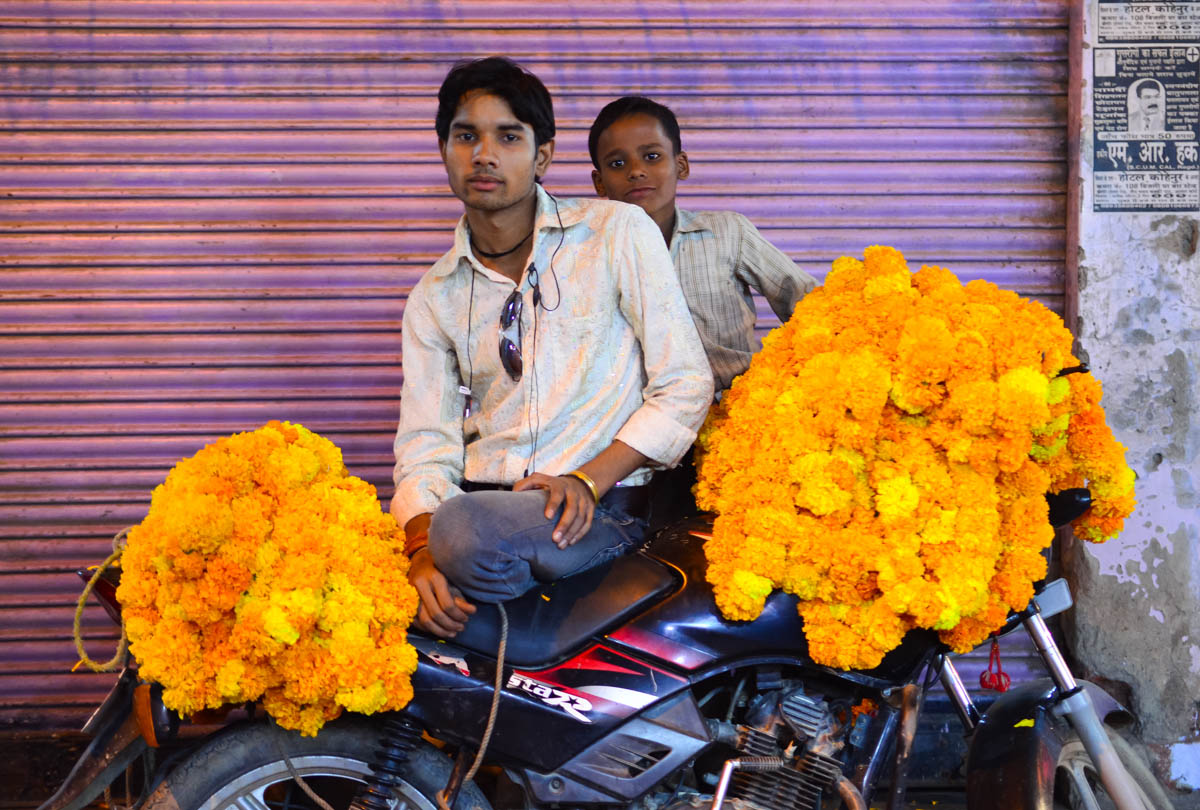
Have you ever wondered how a delicious paneer tikka masala or a malai kofta were concocted? Probably not, because you do not even know the names of those dishes — just like me, before I came to India — and could not imagine whatever they might be. Well, over the last few weeks, we tasted as many different Indian dishes as we could. And, eventually, we started to know food-related Hindi words such as chana (chickpeas), jeera (cumin), paneer (Indian cottage cheese) or masala (a mix of Indian spices) and learned to distinguish different types of bread like roti, puri and naan.
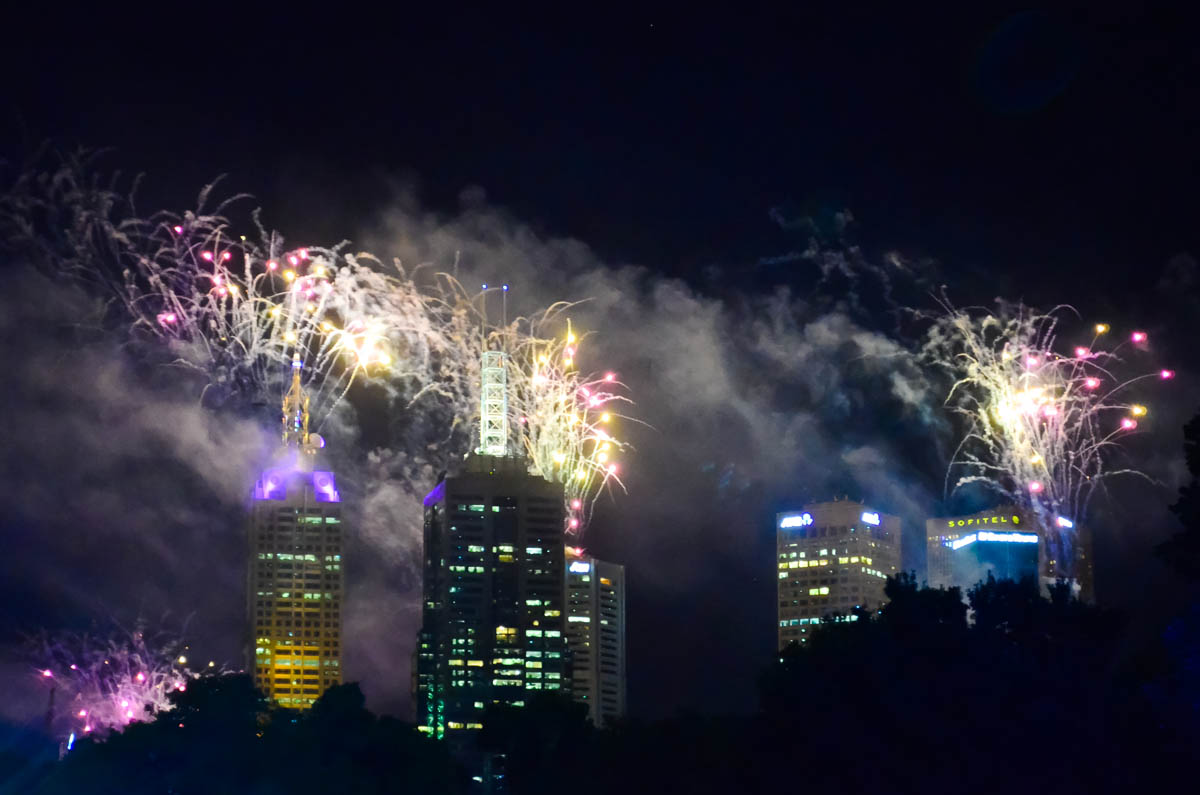
… and a Happy New Year
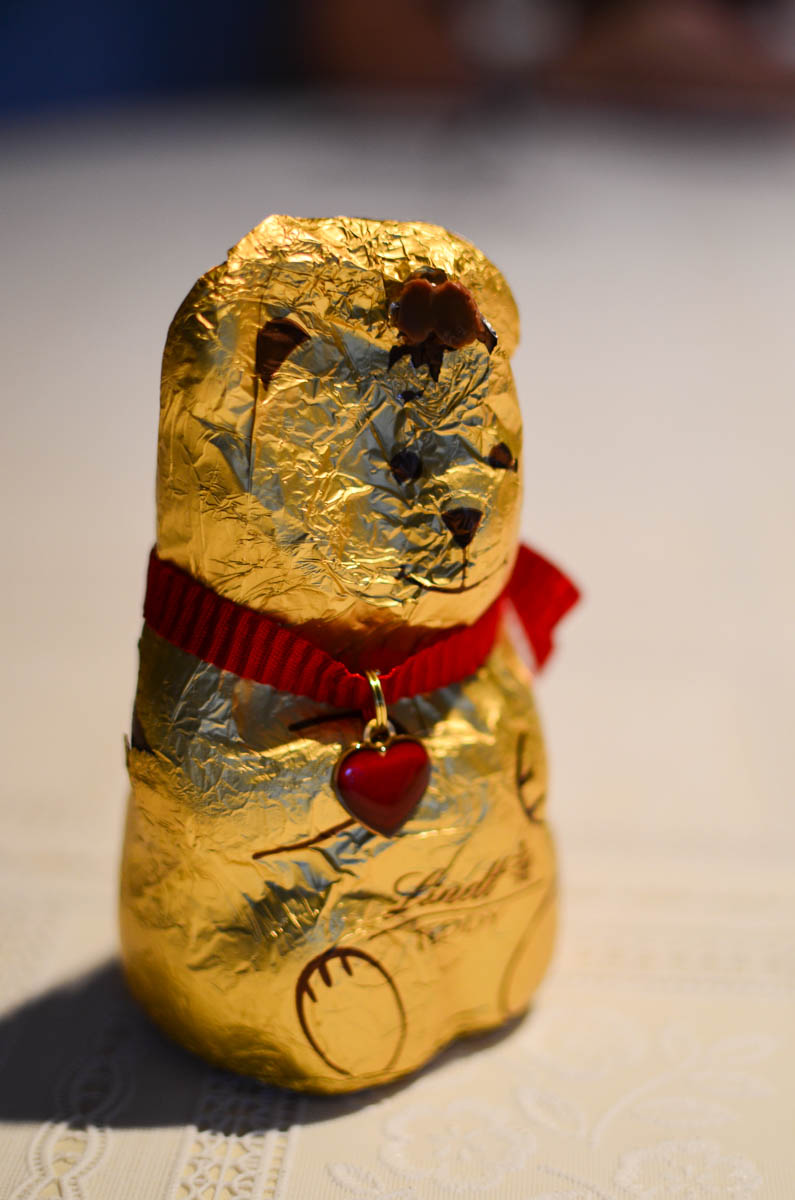
Merry Brandybuck Christmas
Mumbai & Ellora
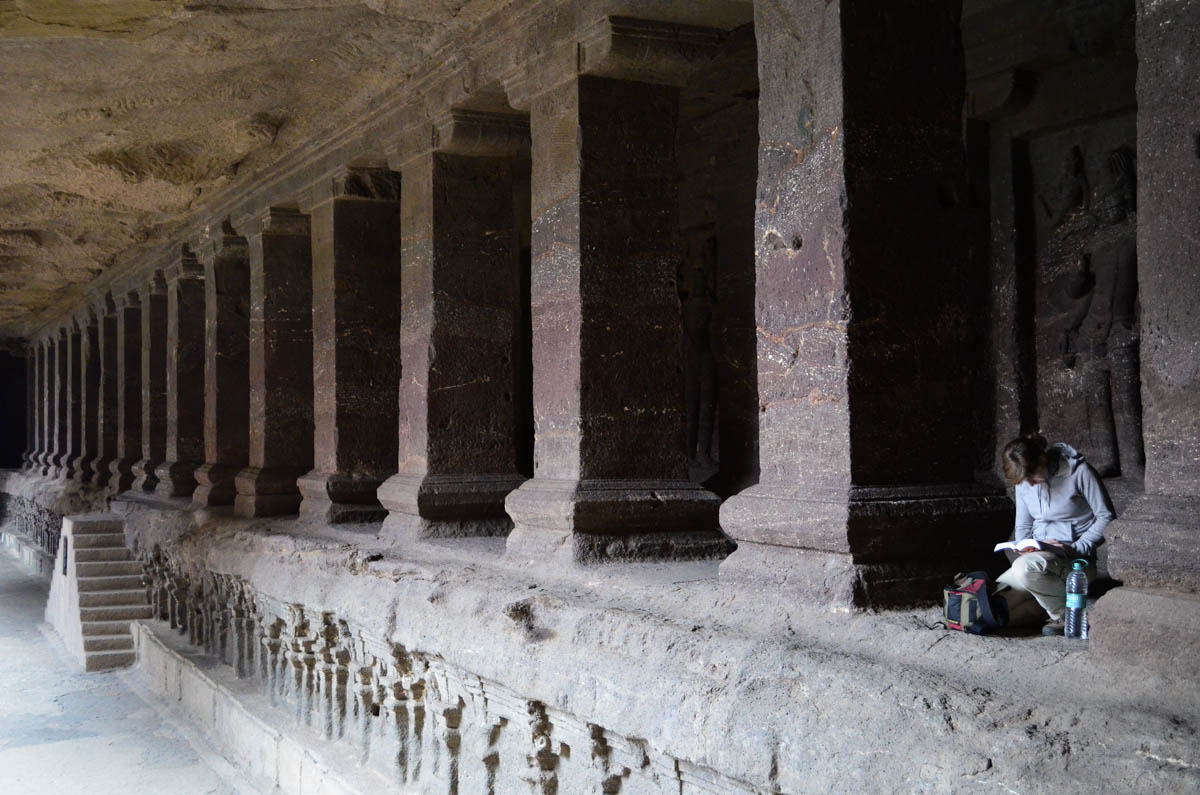
Ladina put down her whip, took off her hat and wiped the sweat off her brow. We had just escaped a deadly arrow trap followed by swinging axes when we had stumbled upon a long gallery. Astonished by our discovery, we slowly made our way along the walls, using our torch to bring light to ancient, crumbling bas-reliefs depicting what seemed to be forgotten gods in scenes of daily life: battling demons, wrenching entrails out of an agonizing enemy, or sometimes simply lifting mountains above their heads.
“I think we would better appreciate all of this if we had some historical context, or better still, theological explanations.”
“Let me get the Lonely Planet out”
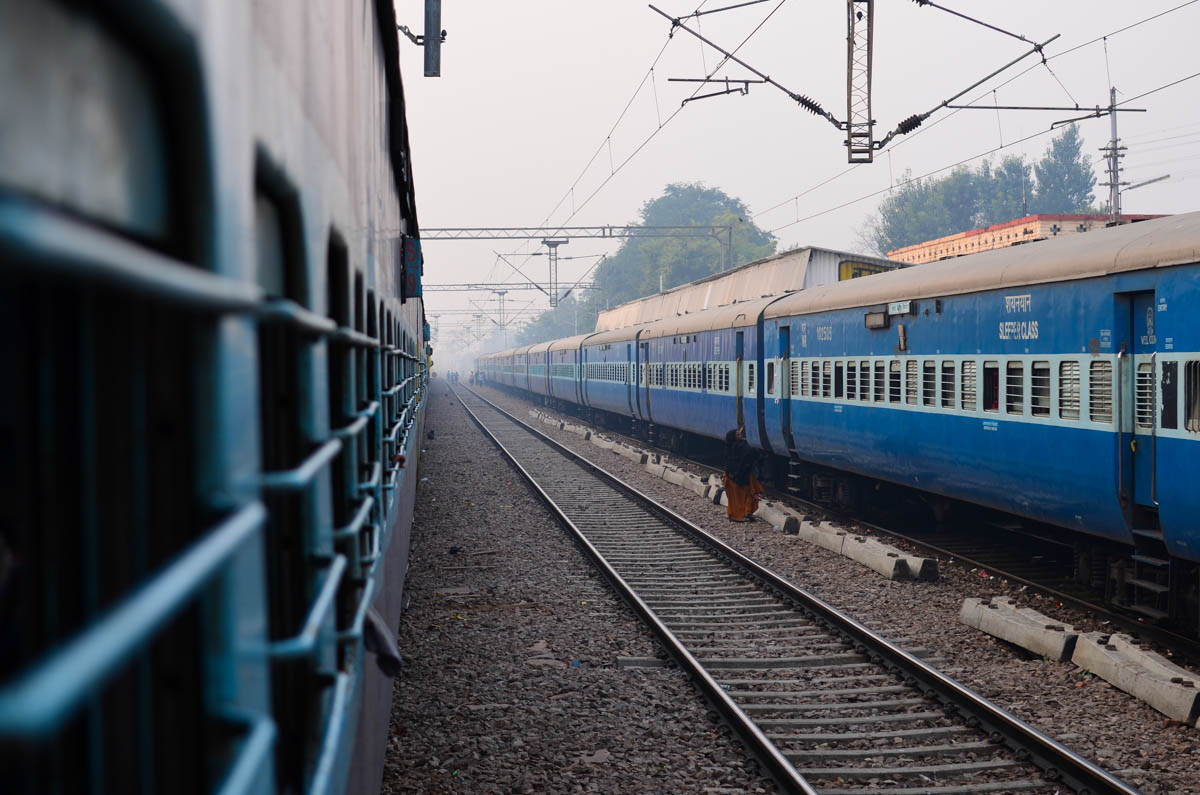
Train journeys
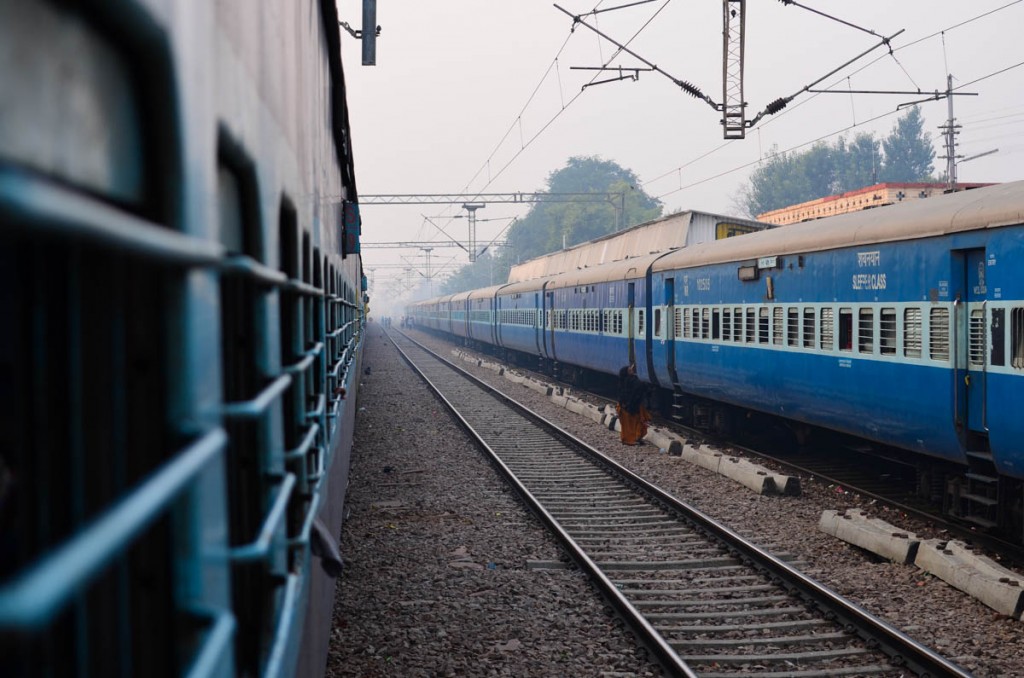
“Chai! Chai!” an early morning tea-seller yelled as he walked through the coaches of the train, carrying a huge tin pot of hot tea and small plastic glasses. I turned around on my bunk, drew the sheet up to my nose and tried to get some more sleep. So far, I had slept surprisingly well during my first night in an Indian train: the steady rattling of the rails worked like a lullaby for me; the berth, though not very large, was comfortable. Unfortunately, about four more chai vendors kept me from dozing back to sleep, praising their tea in loud voices. With a sigh, I turned around again and tried to glimpse through the train window: the breaking dawn transformed the sky into a symphony of red and violet. Soon the sun would be out — and this meant that we would reach Agra shortly. The train was supposed to arrive at 6 o’clock and, as opposed to buses, it is likely to keep its timetable. I hence waked José, and we started to open the padlocks from our backpacks, put the few things we had needed for the night back into them, and shoulder their usual weight. Not too soon for, shortly after, the train slowed down and, together with all our belongings, dropped us at Agra Fort.
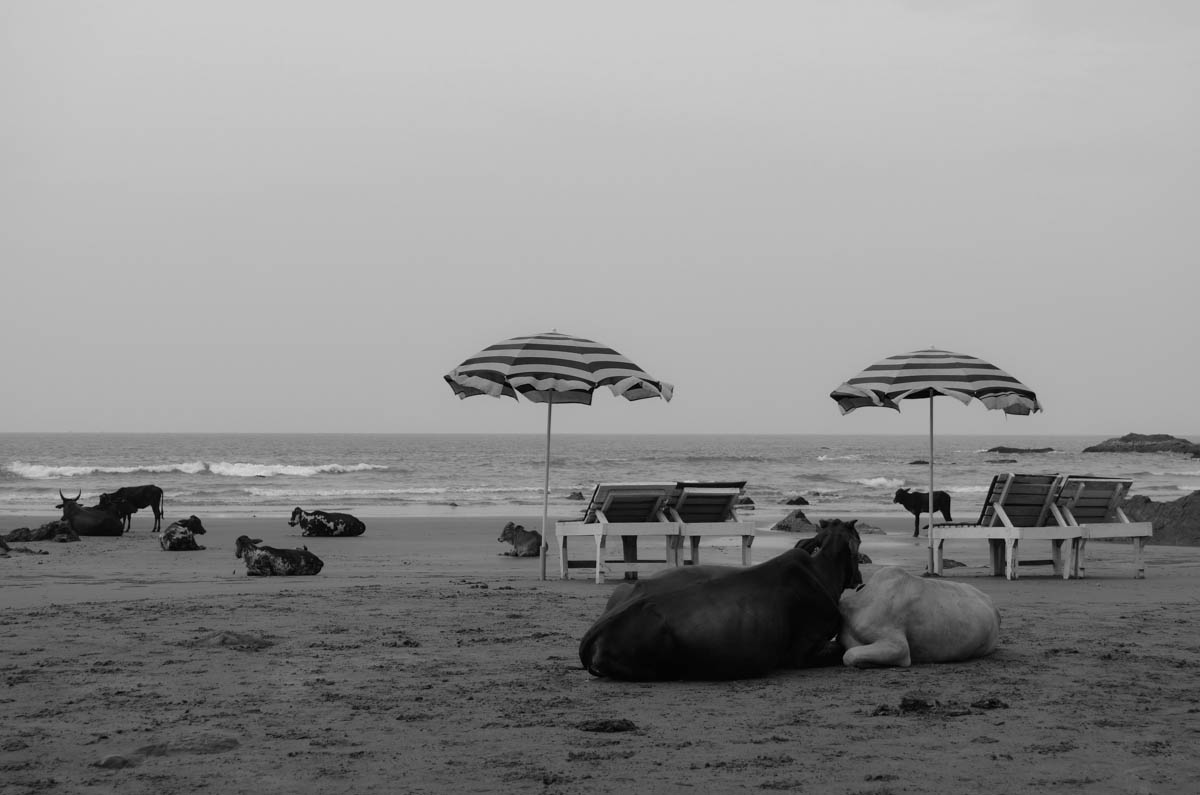
On the beach
That is the reason why the blog has seen so few updates in the last three weeks. Not the cows: the beach. While we were declaring to everyone we were super ultra busy in our travel, we were actually shamelessly whiling the days away, basking in the golden sun, sipping fruity lassis or playing frisbee (admittedly at a terrible level). Well I guess that still made us a bit busy.
Oh God, I want to be back in Goa already. Why did we leave, again?
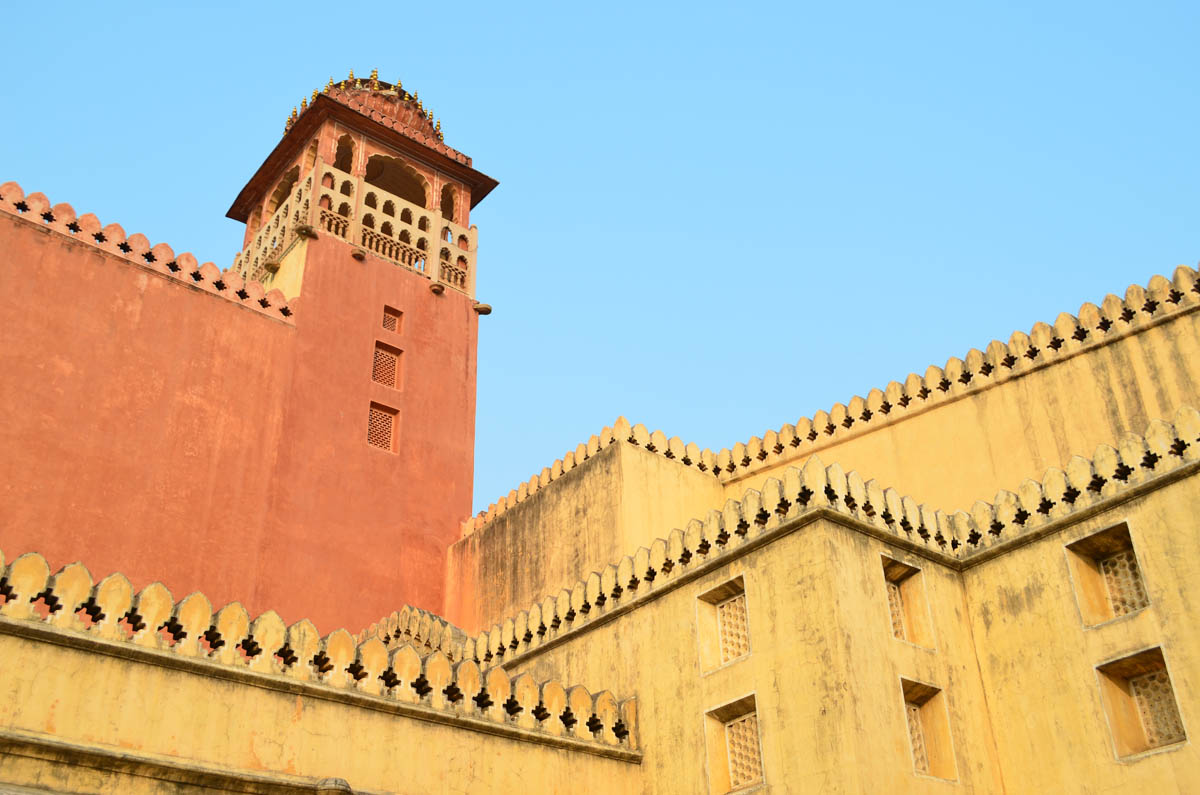
Rajasthan
Although it is seldom mentioned in Western education, India has a millenary-old history going back to the earliest stages of Antiquity, full of the drama of warring kingdoms and crumbling empires, mighty Maharajas and decadent peoples. In particular, almost the whole subcontinent of India was united under the banner of the great Mughal empire from the 16th to the 18th century, after years of conquest and military supremacy of the Muslim armies. The Mughal emperors would leave a lasting trace of their glory in History, with Shah Jahan having erected the Taj Mahal, and the mighty Akbar being still today revered as both a skillful general and a wise ruler.
It is thus unsurprising that so much of their passage could remain visible today, all across the state of Rajasthan. Immense (as well as impregnable!) forts dot the countryside, while majestic and luxurious palaces sometimes emerge at the most unexpected locations.
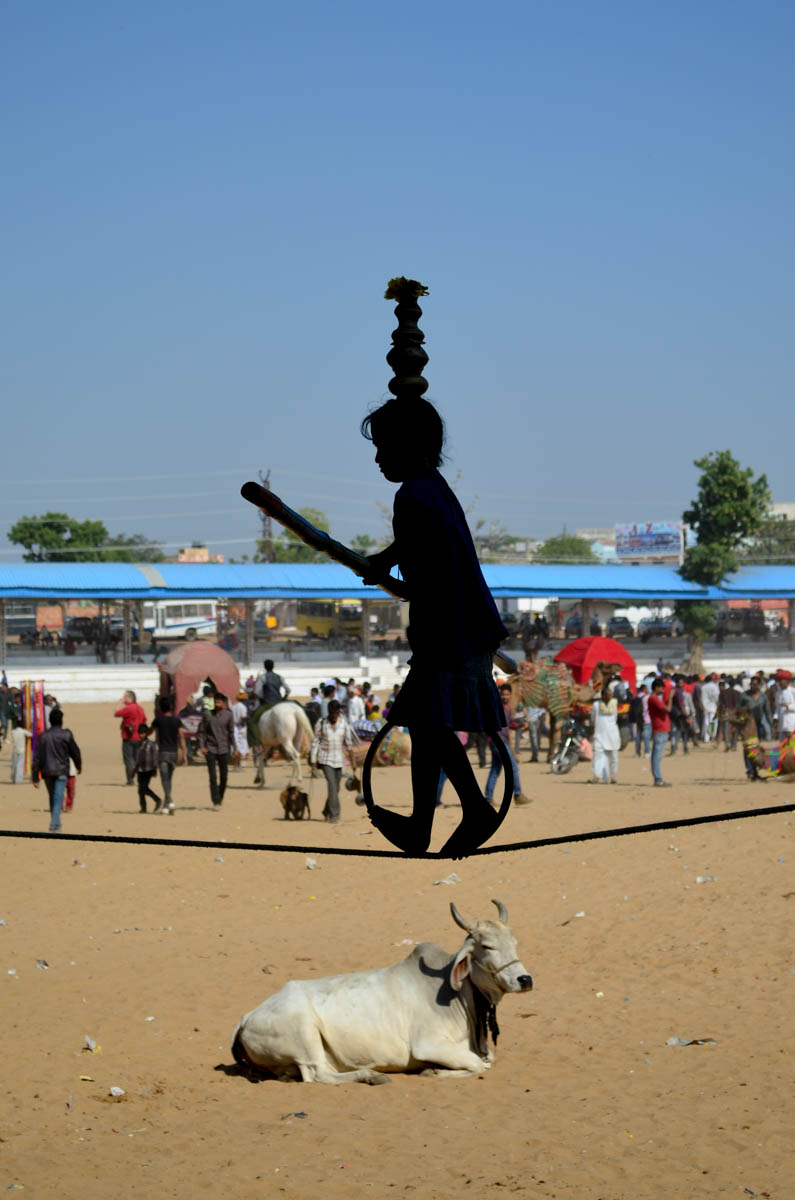
Funambulist
The Taj Mahal
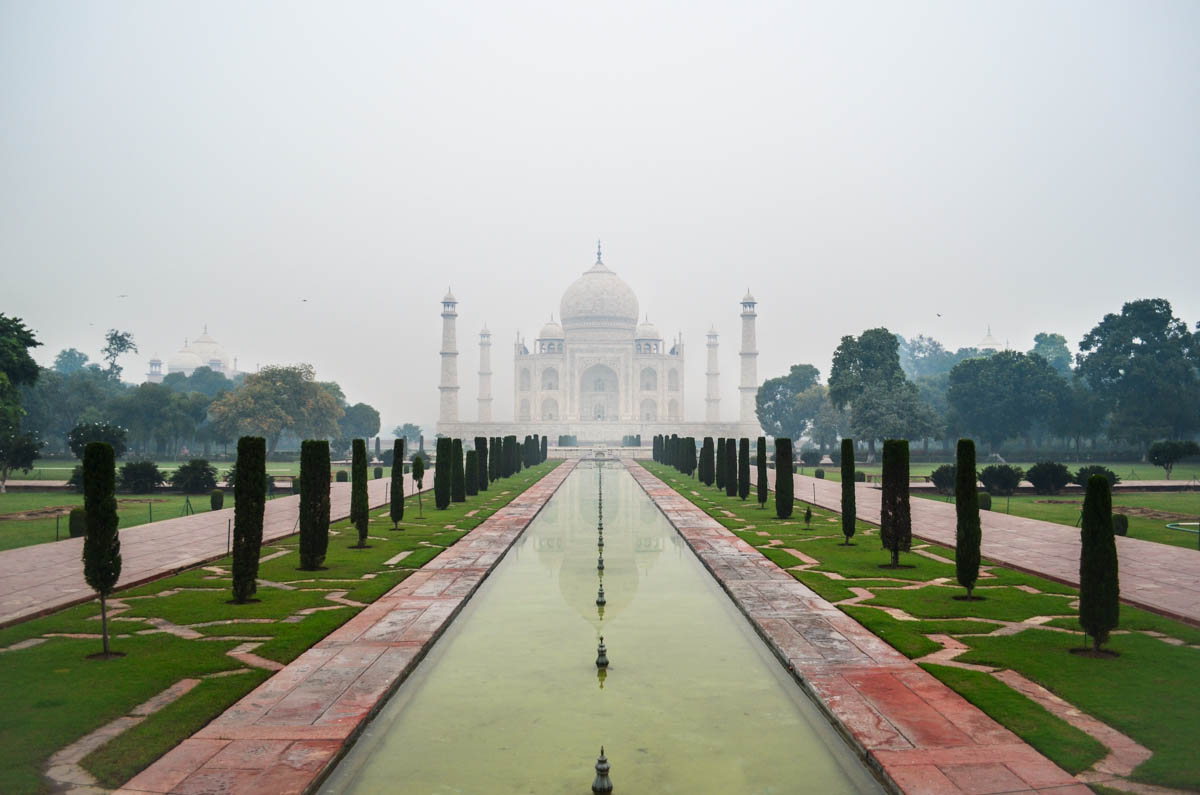
This picture has no originality whatsoever, since it is arguably the most famous sight of the whole India: the Taj Mahal, the mausoleum Shah Jahan built to mourn the death of his beloved (third) wife Mumtaz Mahal, is a wonder. There is no other word.
But I felt no shame in taking it, a few million times after the first photographer entered the Taj grounds, and I feel no shame in publishing it here either. Firstly, because its staggering beauty, even clouded in the mist of a wintry morning, is well worth taking my hat off to the Mughal emperor Shah Jahan and the architects who designed such a marvel, by rendering it as they envisionned. And, secondly, well, because no photograph can give the Taj Mahal justice anyway.