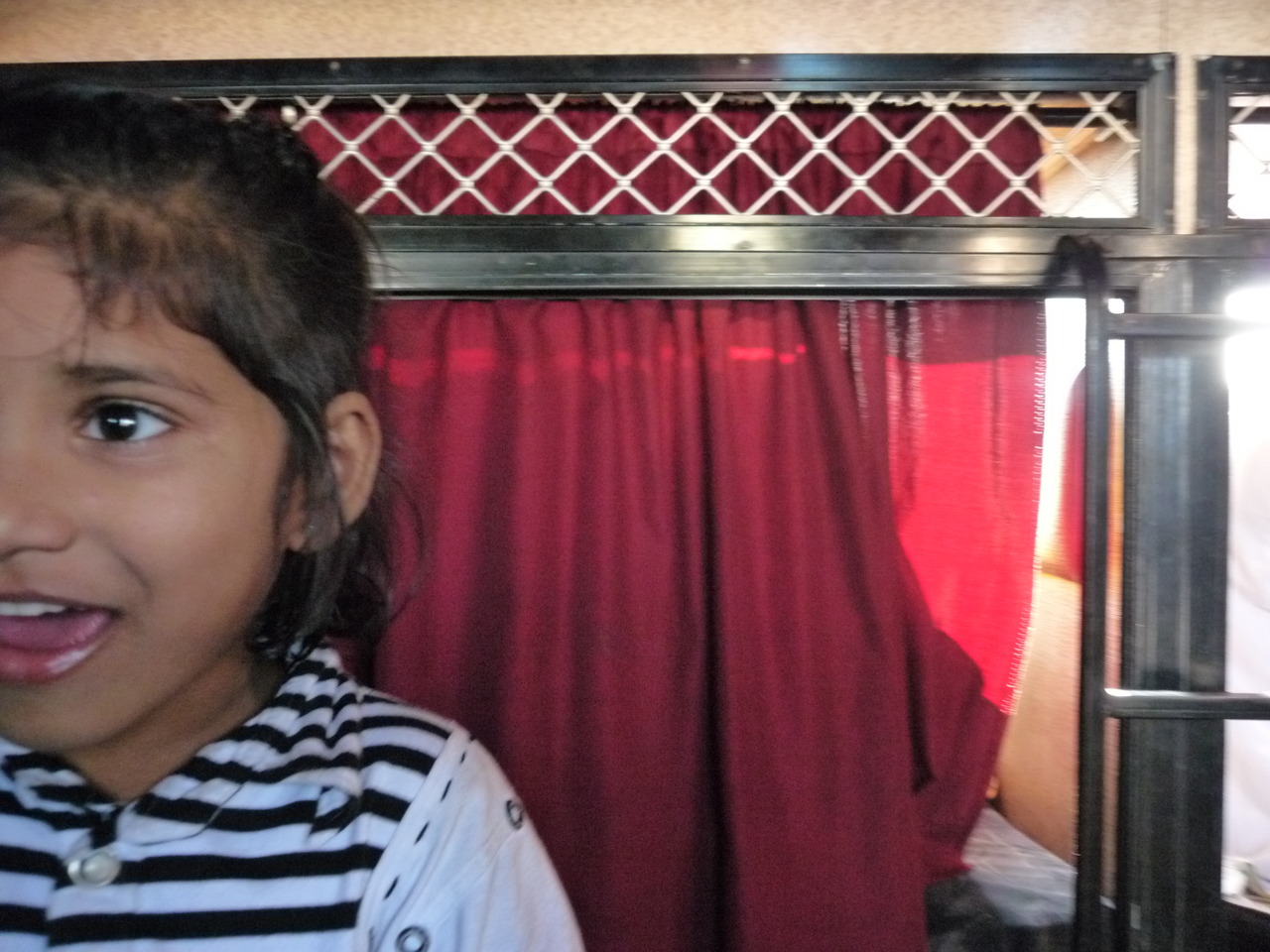
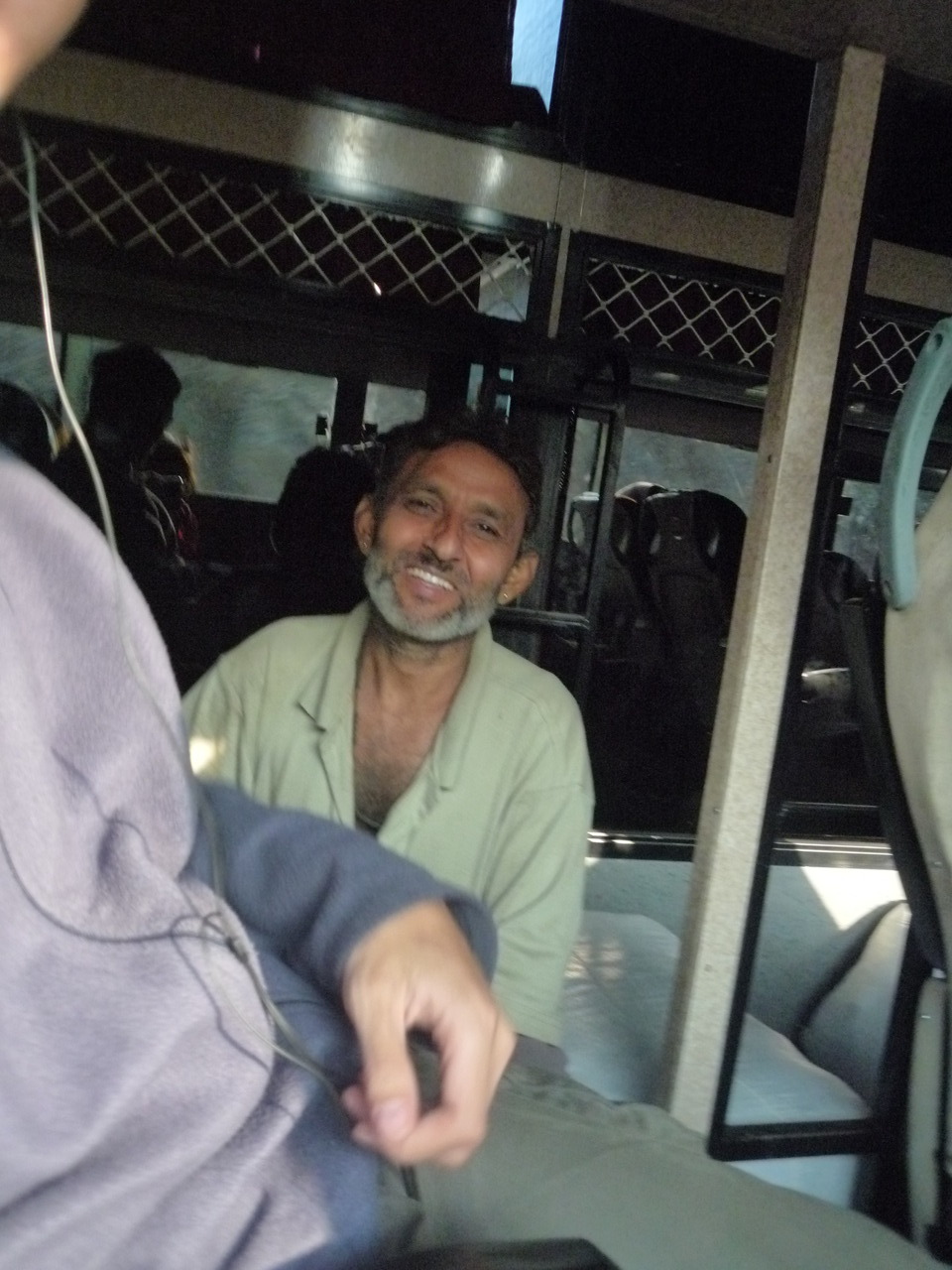
General laugh in the bus. I turn to Sajjad (Qatar) and stare at him inquiringly. He calms down, catches his breath and finally translates.
She just said: ‘You’re young, why are you wearing shoes?’
Er well… I come from a country where kids wear shoes. Parents buy small shoes to their children – and they need new ones after every few months, obviously – so that their feet are always protected from the clean floor of the developed countries, and that they never are wounded, never feel the ground, never learn to get stronger. So that when they become adults, they still are unable to walk without that piece of equipment, even only on a flat ground, because they still have babies’ feet and soft skins.
Yeah, well, I have no idea why either, Isu.
I arrived in Mumbai in the little morning, dropped somewhere in the suburbs. After a bit of walking, I finally got to Bandra station, where I caught a train to Mumbai CST. In downtown, I bought a ticket to Udaipur, and waited for the bus to come. Why Udaipur? Because my friend Vincent, that I saw when I arrived in Mumbai, had told me it was worth seeing. And because it was between me and Delhi.
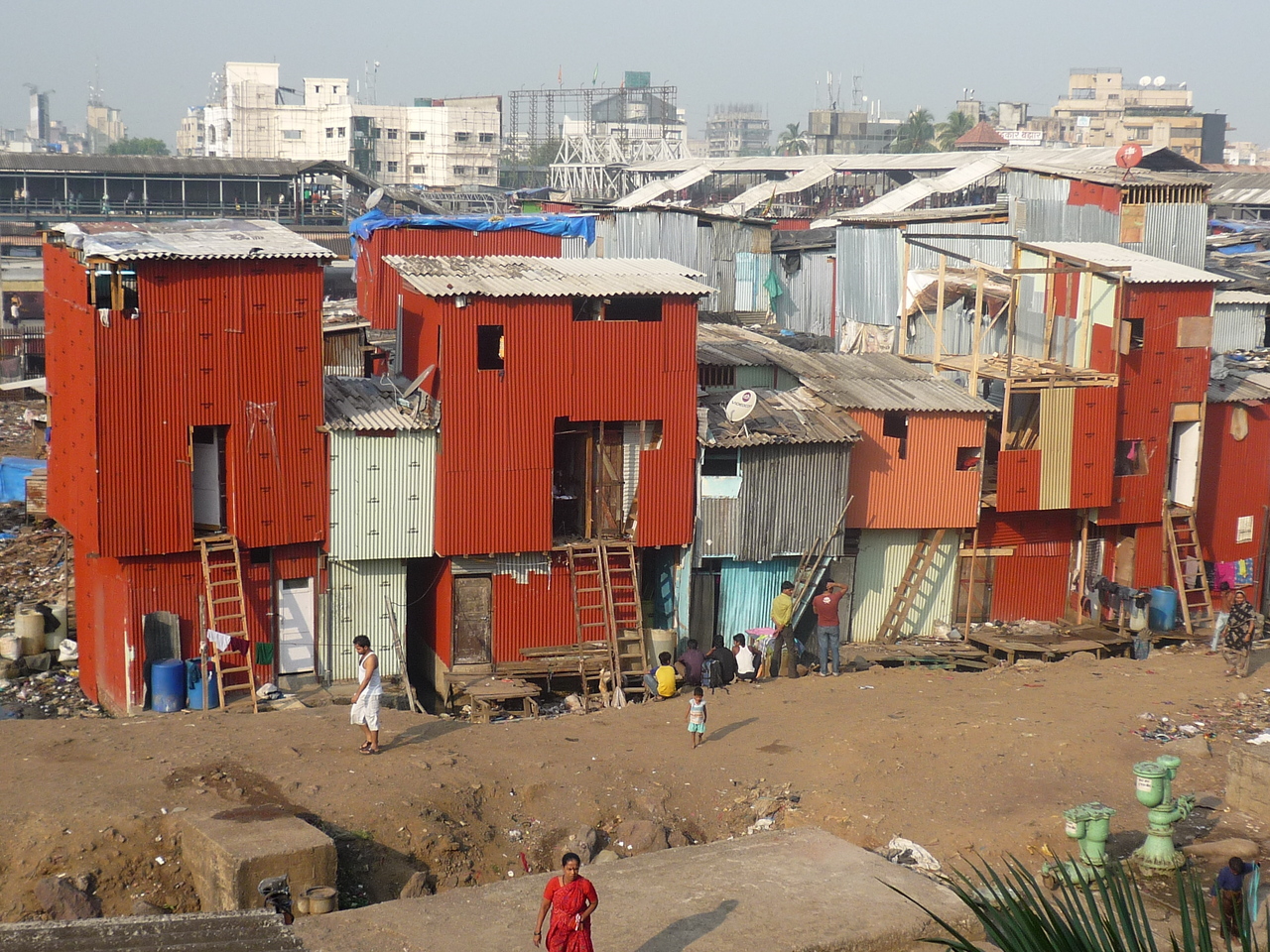
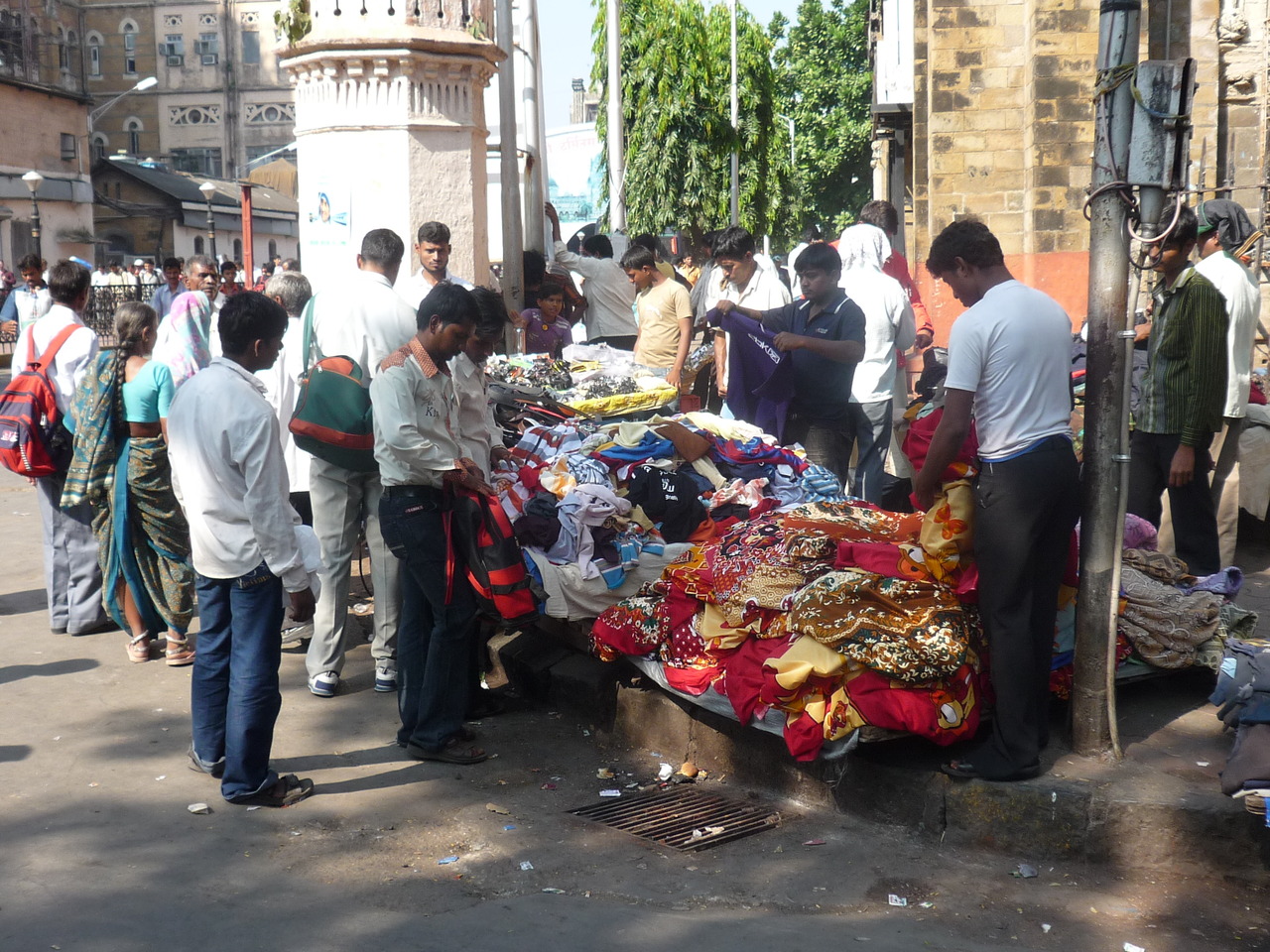
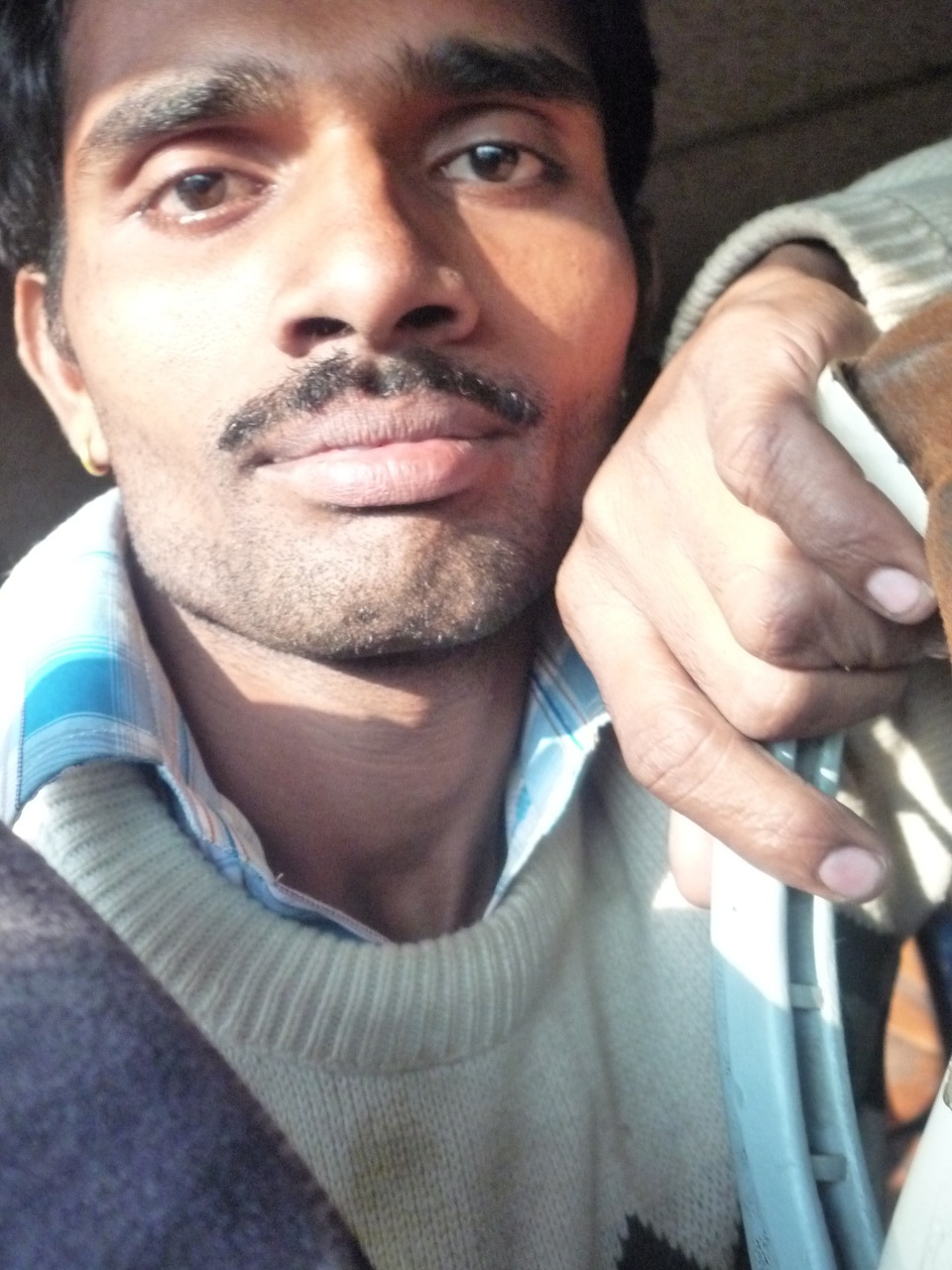
I spent twenty hours in the bus. Twenty. Leaving Mumbai by ground means, from downtown, is a nightmare. We made our way through avenues and boulevards, in permanent traffic jams, through suburbs and slums (we passed by Bollywood!) and finally got on the highway.
I think this travel was the first moment I started to understand the Indian spirit. “We all have a private space; for example, if I get too close to you, you feel uncomfortable. Indian people have no such private space. People slept on me in buses” had told me my traveling friend Etienne a few days before we left France. And people slept on me in buses in India. And it was really uncomfortable.
But in this bus, I saw two poor Indians, without any seat or bed booked up in advance, sitting and sleeping on free spots or on the floor of the aisle when there was not any. I saw two men, way older than me, relay on a seat so that they could both have it in turn; I saw people not understanding a word of what I was saying but trying nevertheless their best to help me; I saw them smiling, always smiling, always happy to be alive, I saw them playing with Isu and explaining her again and again that I did not speak Hindi. Which did not stop her to still drown me in a never-ending flow of questions the second after. I was more embarrassed than them when they explained what was a camera to her, since that machine was undoubtedly worth several months of salary for them. They perfectly knew it. And did not care.
And I learned. I learned, during this long road trip, these long hours struggling with broken windows that would always let bone-chilling winds enter in the bus, that they do not have any sense of private space – which seems to be a basic rule of politeness to us – because they simply do not think any space should be theirs. They live together and accept that anyone can touch, push or sleep on them, because they share their common space instead of considering anyone owns it. And they trust the others to have good reasons to do what they do. They do not feel attacked when someone gets very close, and hence have no reason to be aggressive about it.
This was the first time my mind was blown up in India. What I thought was universal and part of the dark side of human nature, this feral instinct of survival that makes us aggressively defend ourselves from what approaches our physical bodies, was simply non-existent in India. Non. Existent. At all. I was amazed by how wrong something I could have believed in during twenty years was, and horrified by how evil I was, in the end.
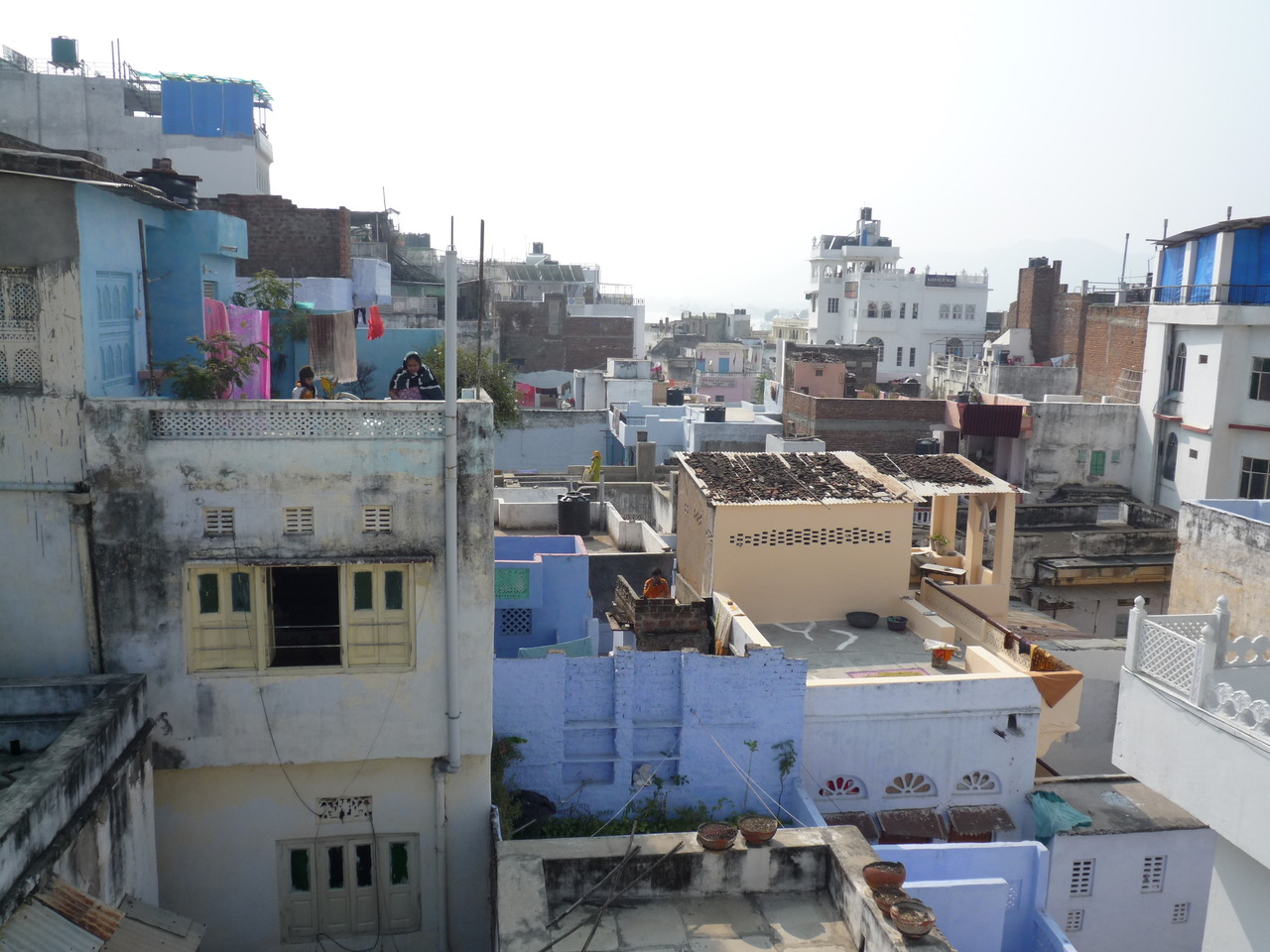
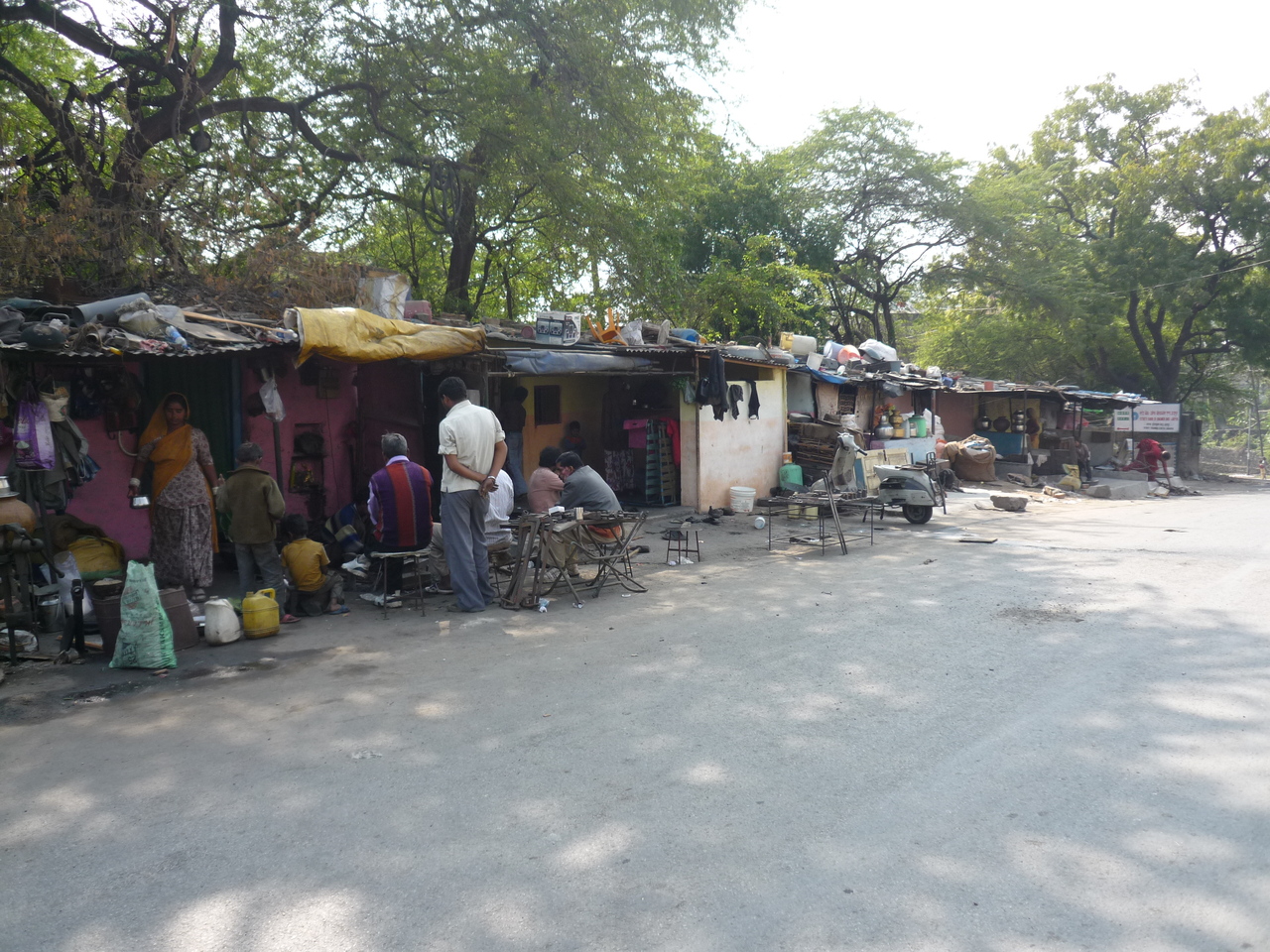
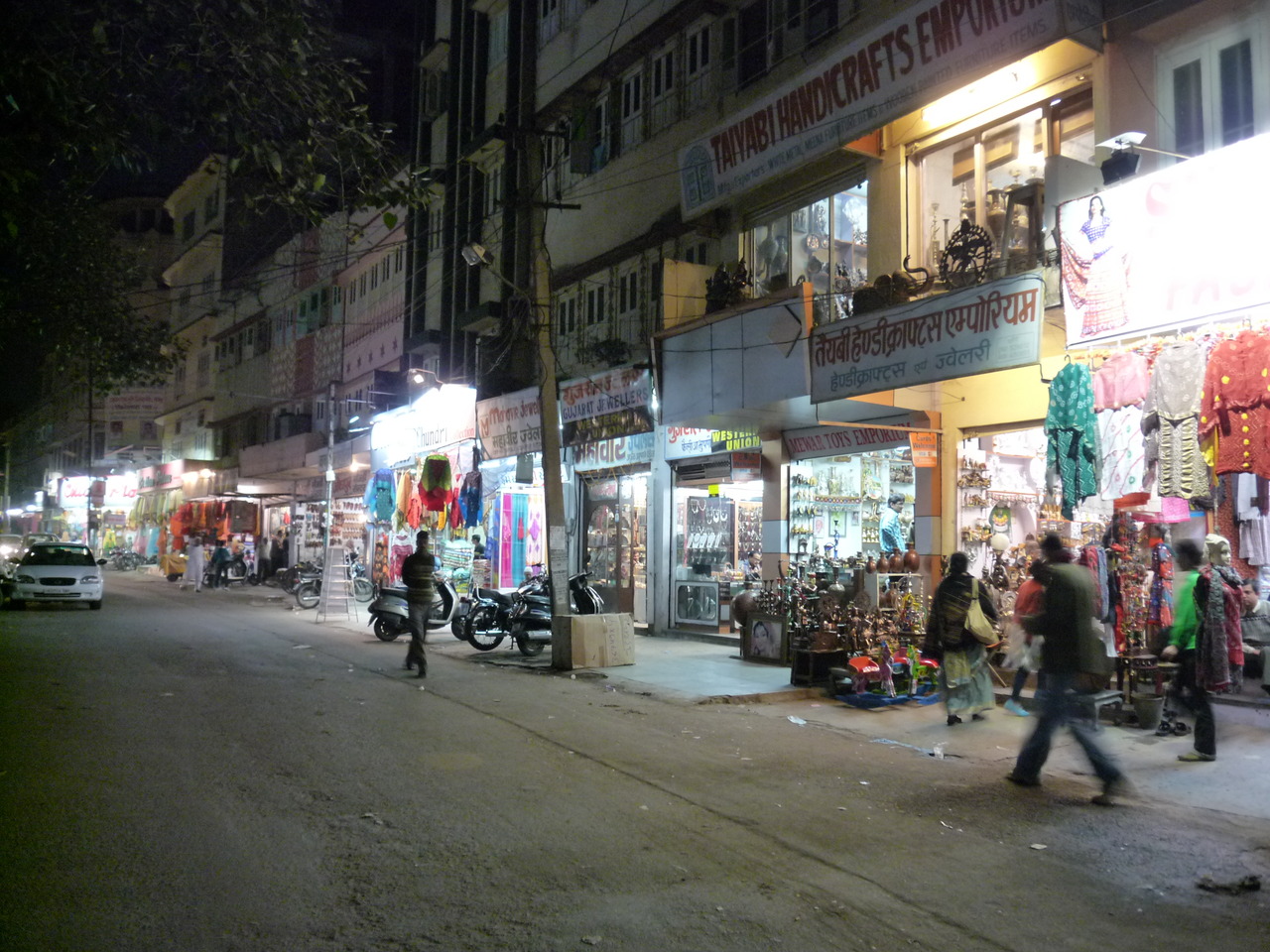
I arrived in Udaipur, hopped in a rickshaw and got downtown, in a district named Gangur Ghat. And I instantly hated it. (Maybe I really am too full of hate, meh.) Just take a look.
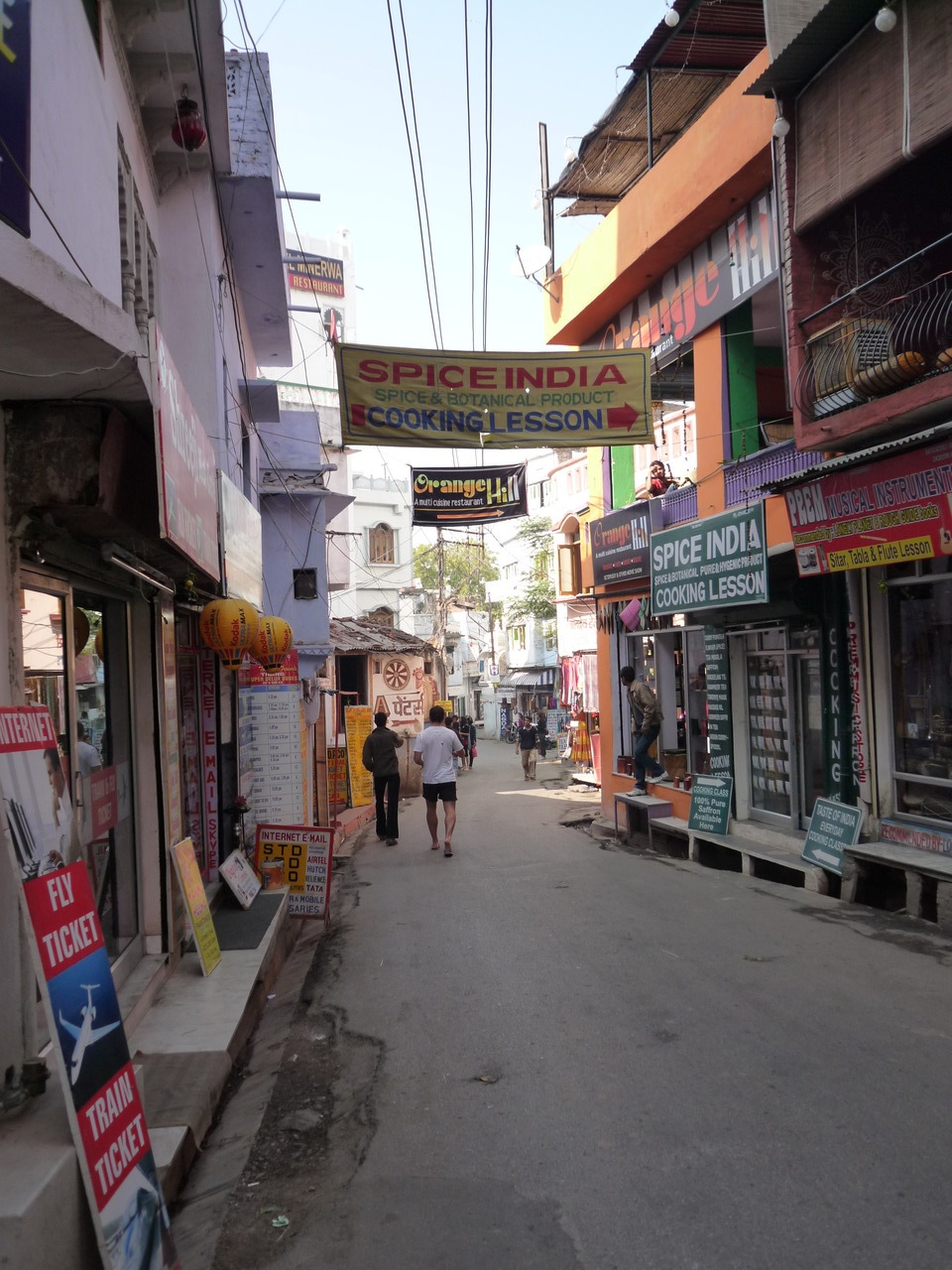
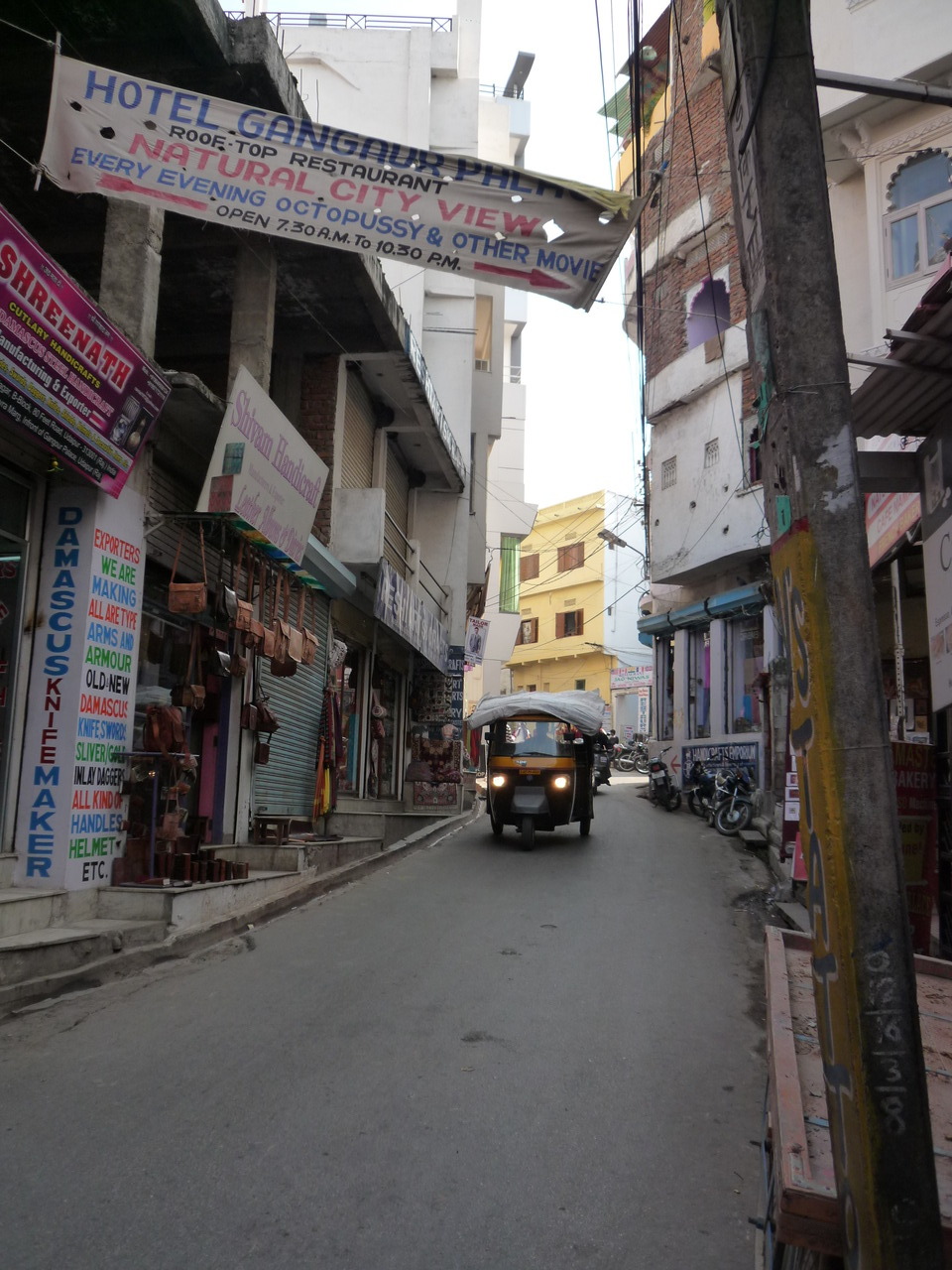
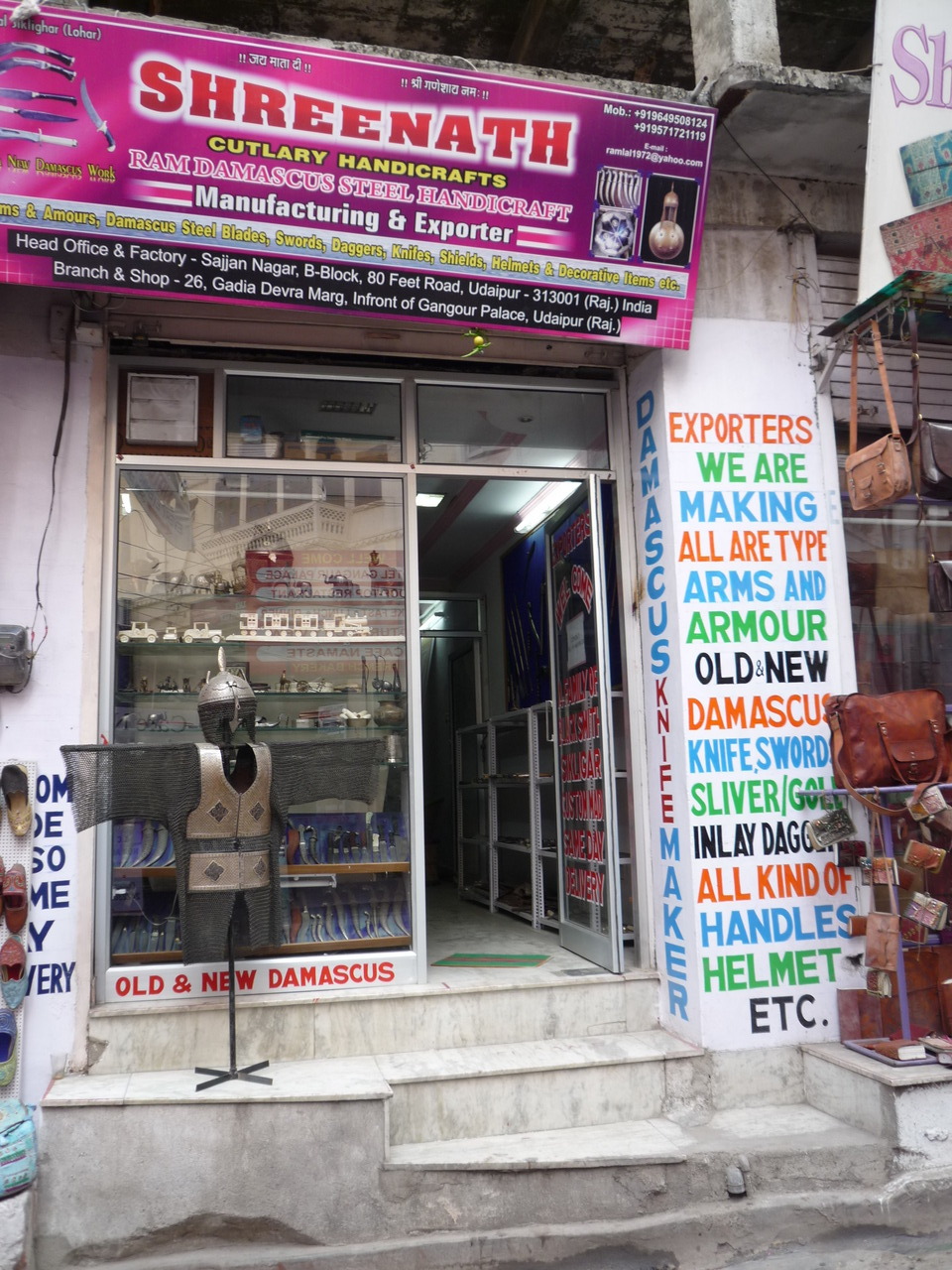
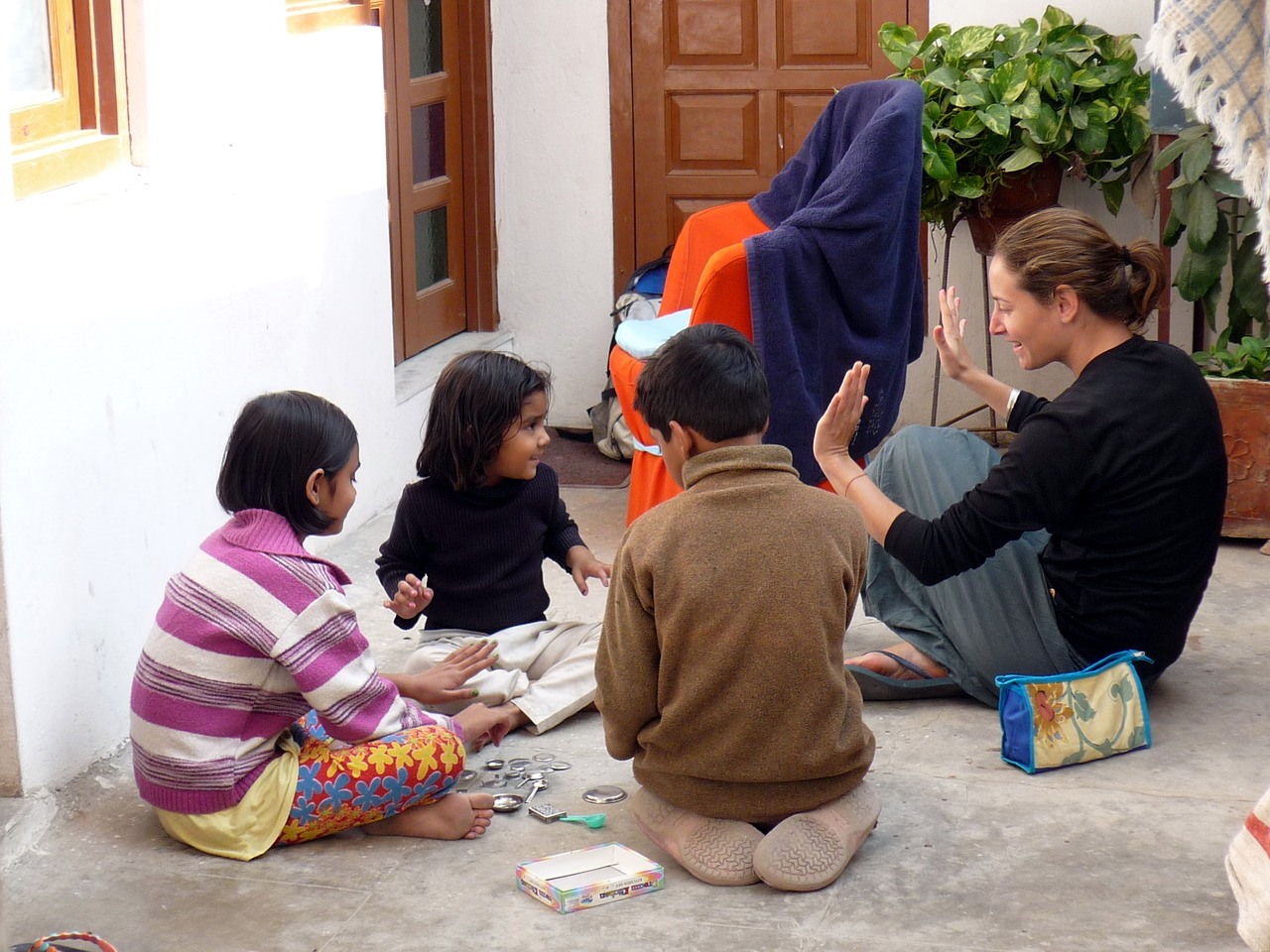
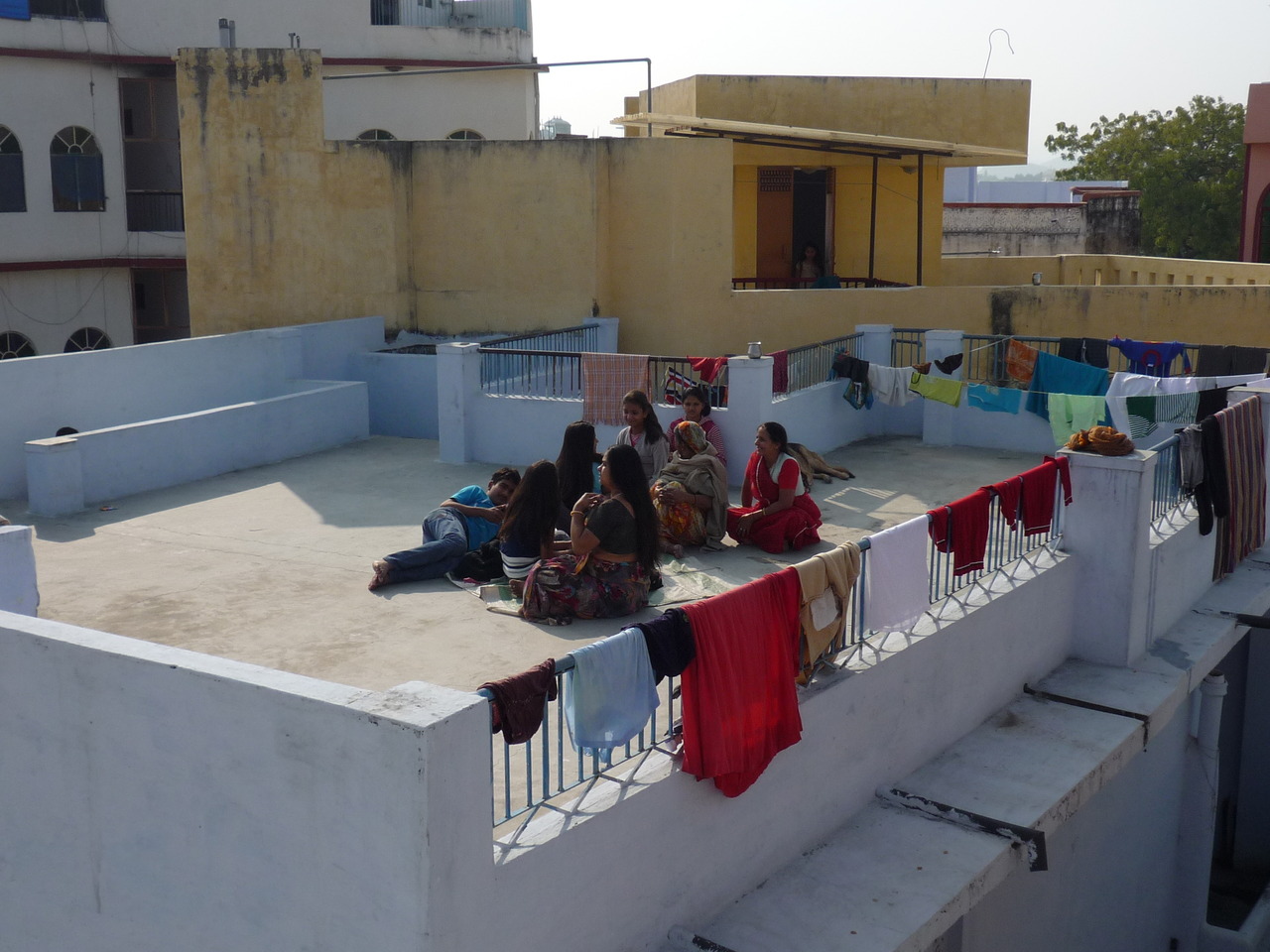
It was awful. Luckily, the first guesthouse I found was two blocks away from that fake world, in a tiny and genuinely lively street. I entered and Vikki, a few years older than me, welcomed me with an incredibly good English. I saw within two seconds that his friendliness was entirely genuine. And when I visited the place, I could only love the family members living here, all so nice and happy together – and I did not even mention the adorable children playing with the travelers when they were not doing their homework in the lobby. On top of it, I had a cheap and spotless room with two beds and no insect, near the rooftop, above tiny marble stairs. If you ever go to Udaipur, look for the Udai Haveli guesthouse and ask for Vikki. I will if I ever have the chance to go back there.
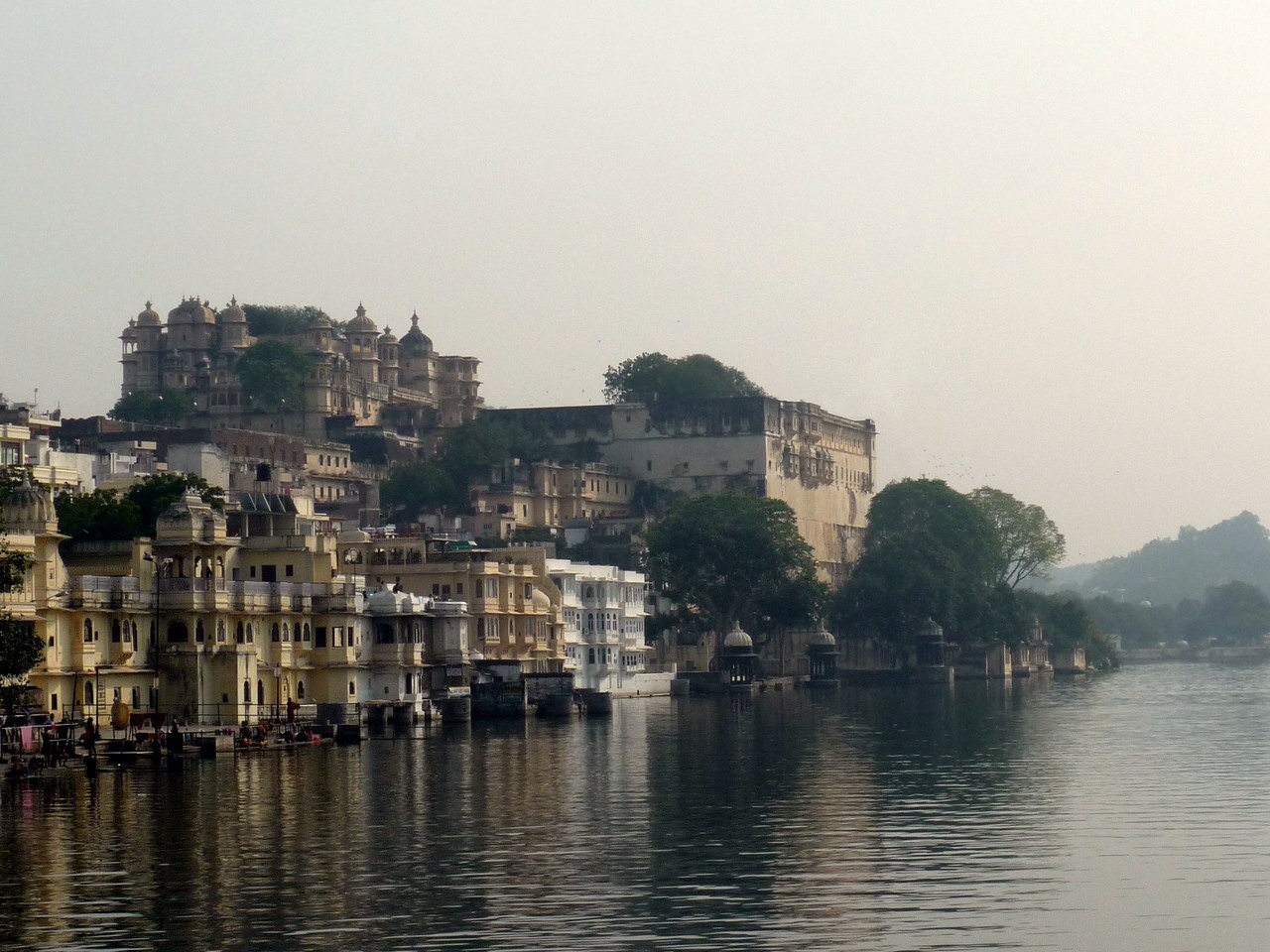
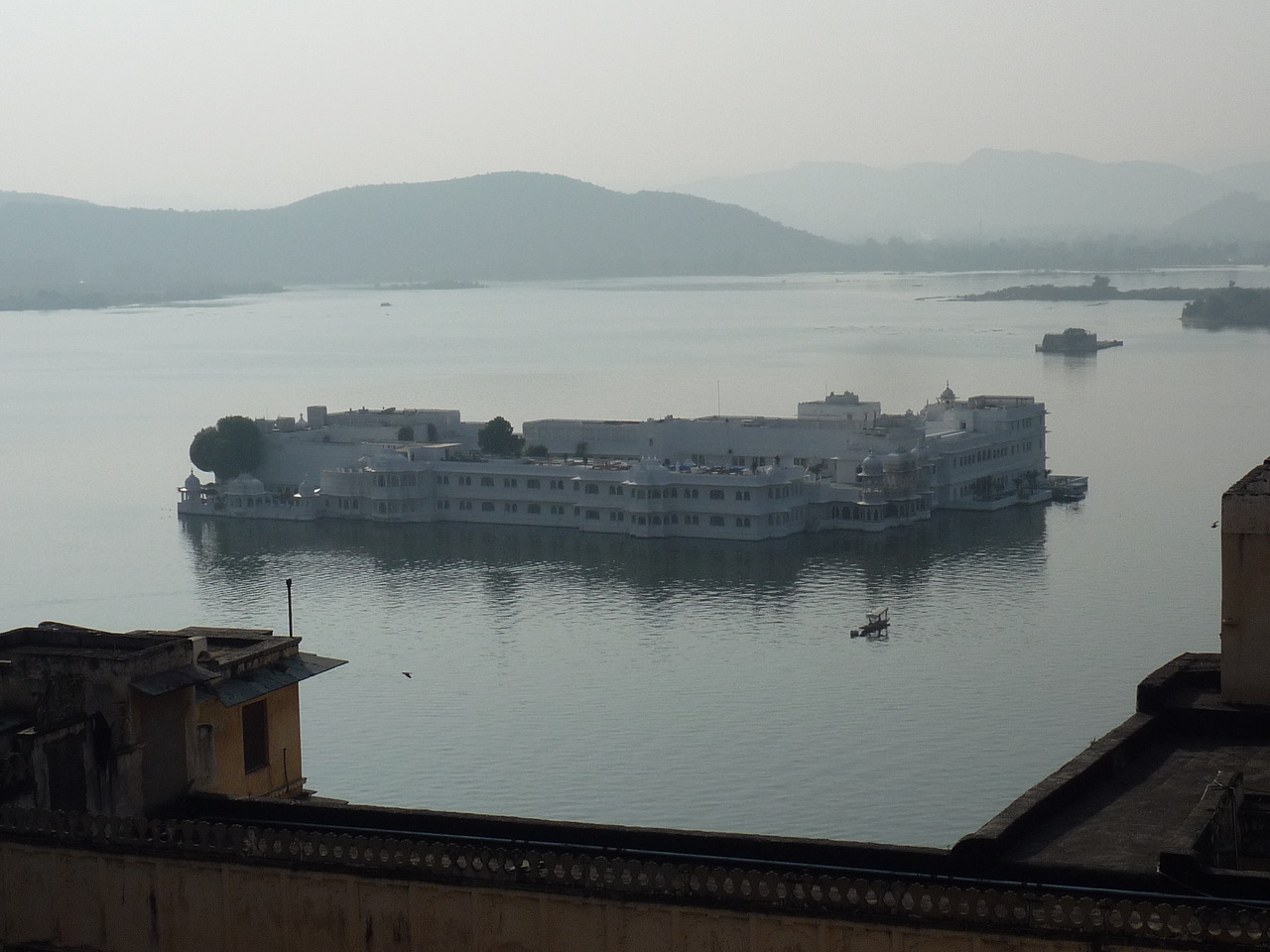
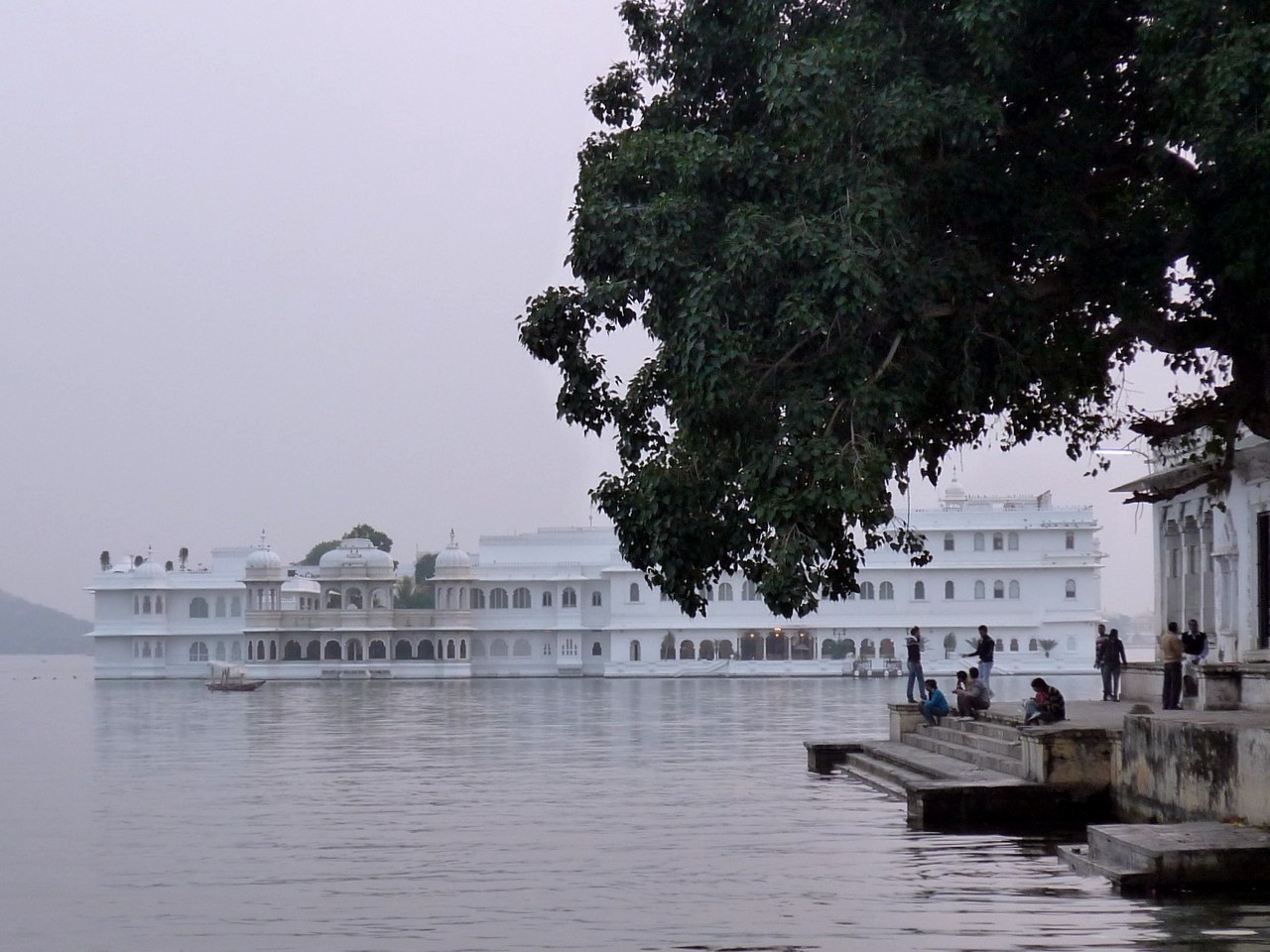
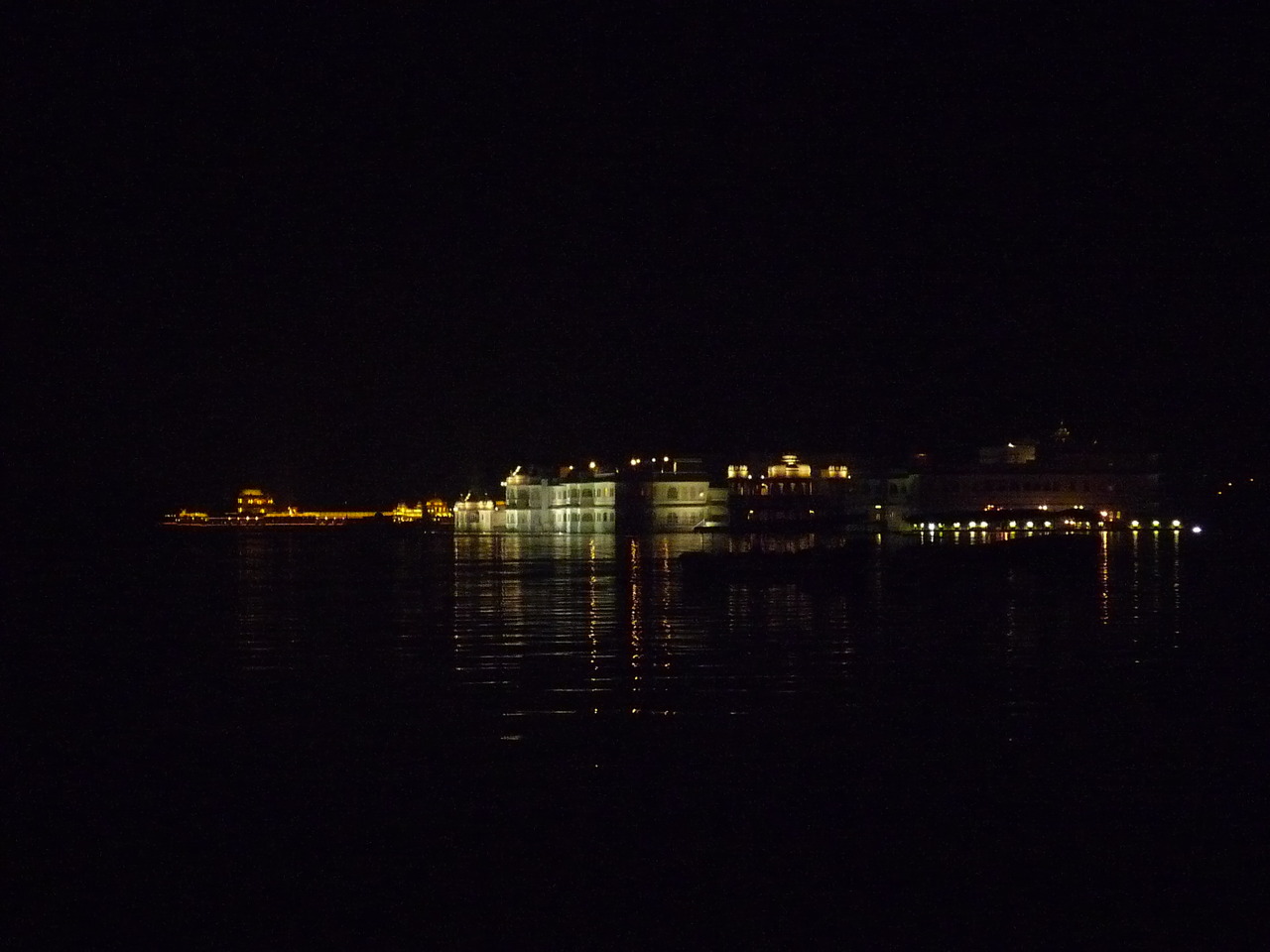
The main reason why tourists actually come to Udaipur is for its lake, and the palace built in the middle of it, namely the Lake Palace. (At least it is easy to remember.) It was the one appearing in the James Bond movie Octopussy (and this is for us Western people that have more Hollywoodian culture than real actual culture). Once the palace of a king, it has been transformed – o surprise – into a luxury hotel. Okay, I have to admit it should be pretty cool to bring your soulmate there, but well, not for me, thanks.
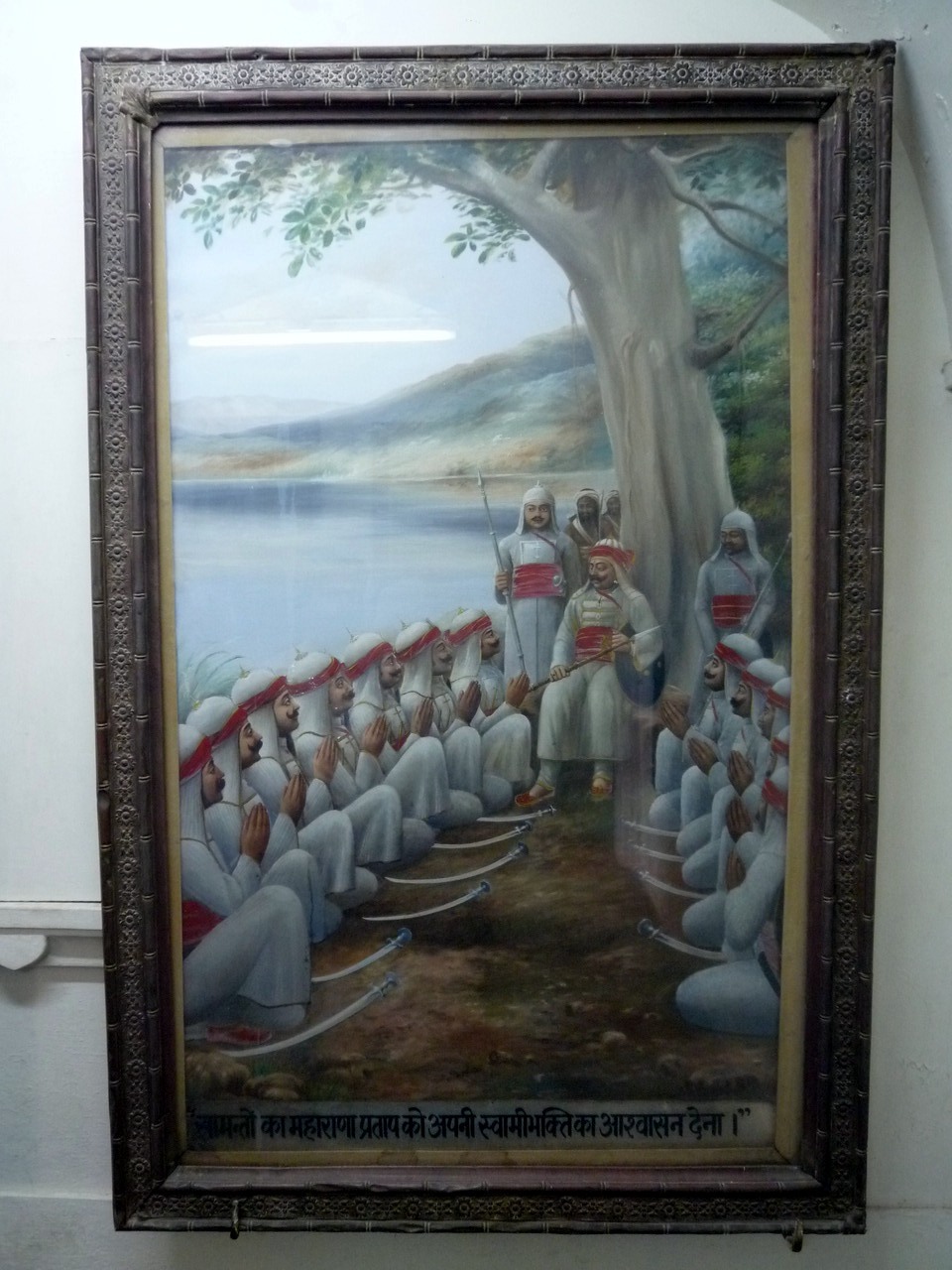
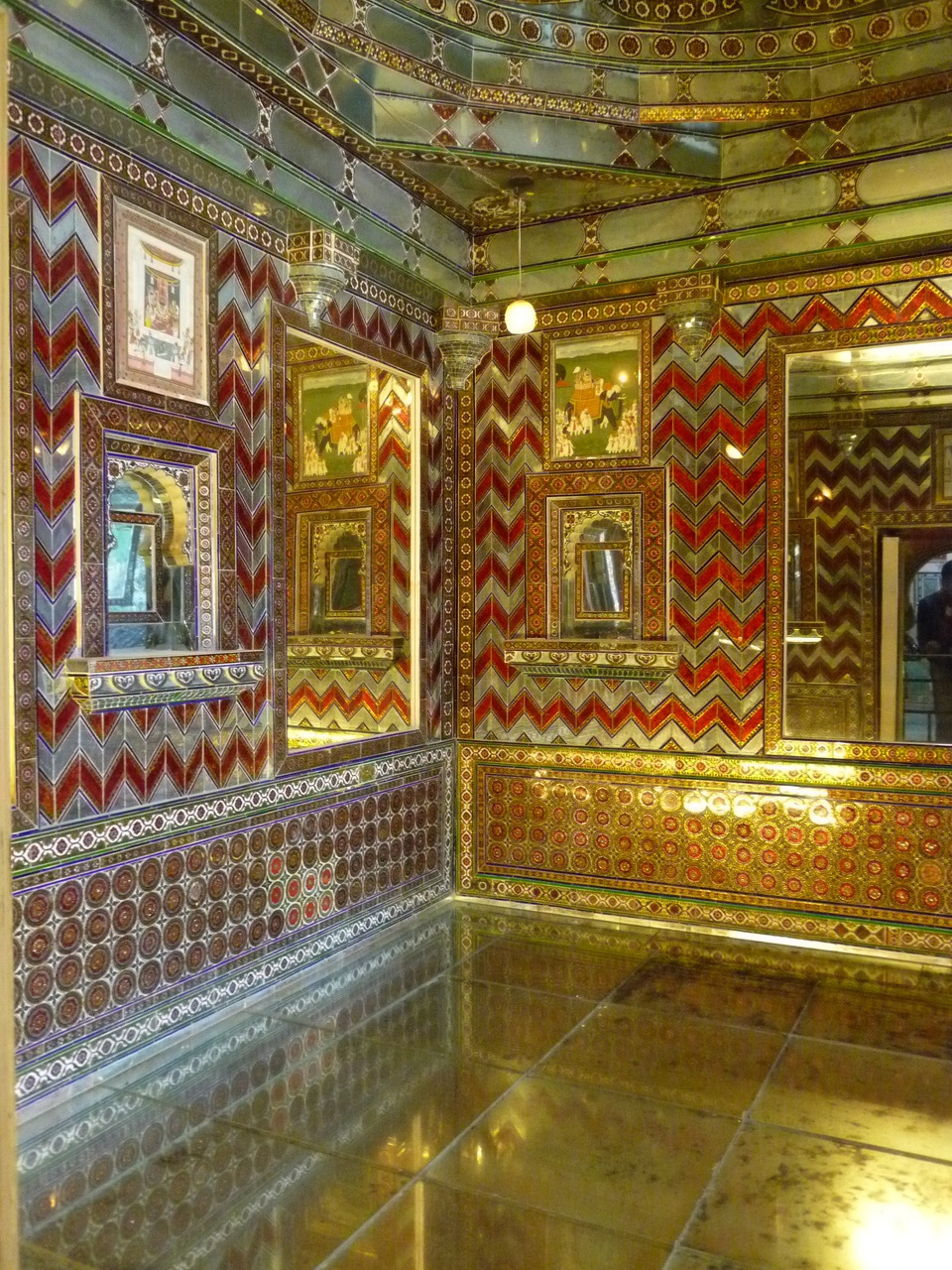
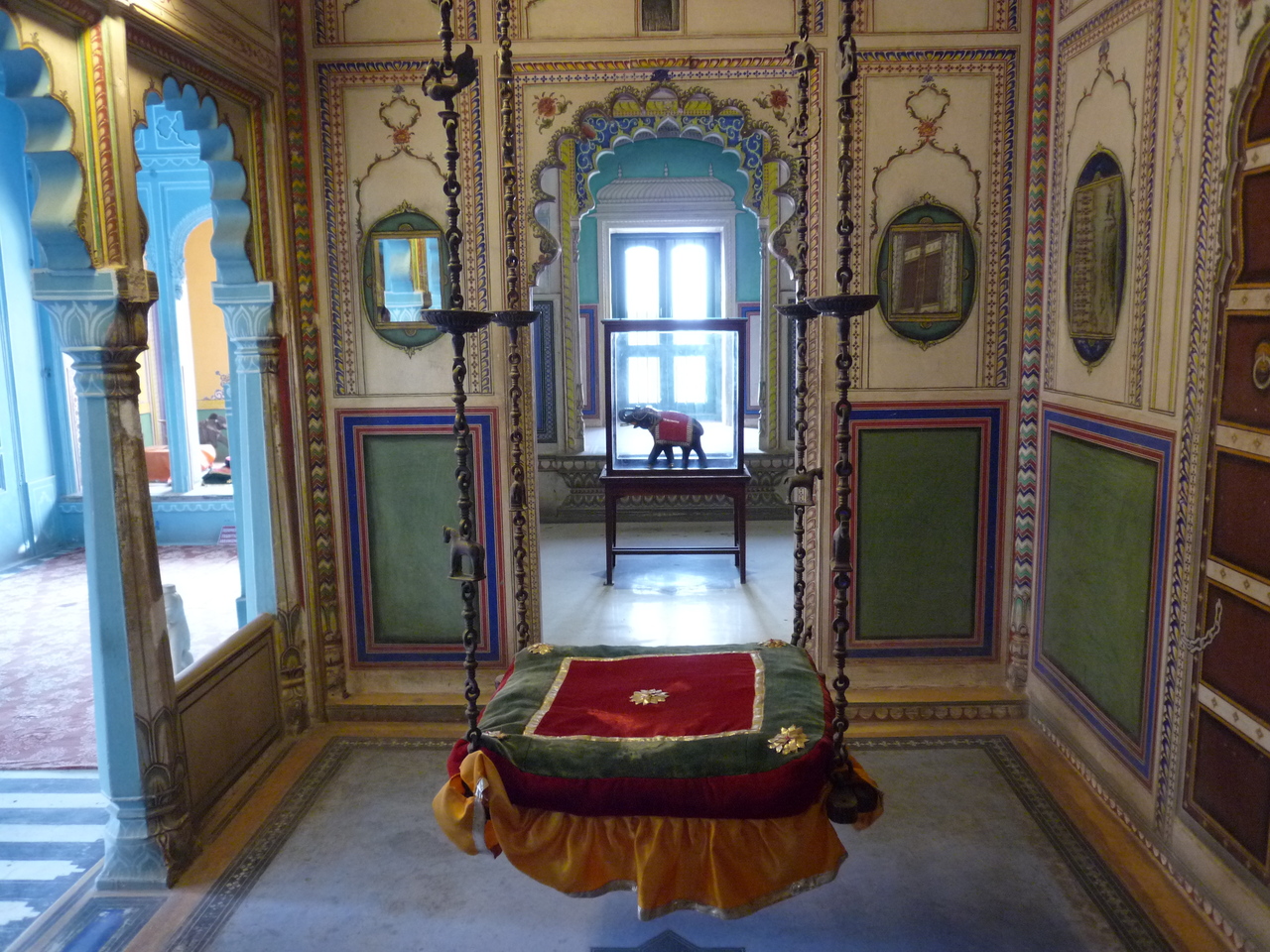
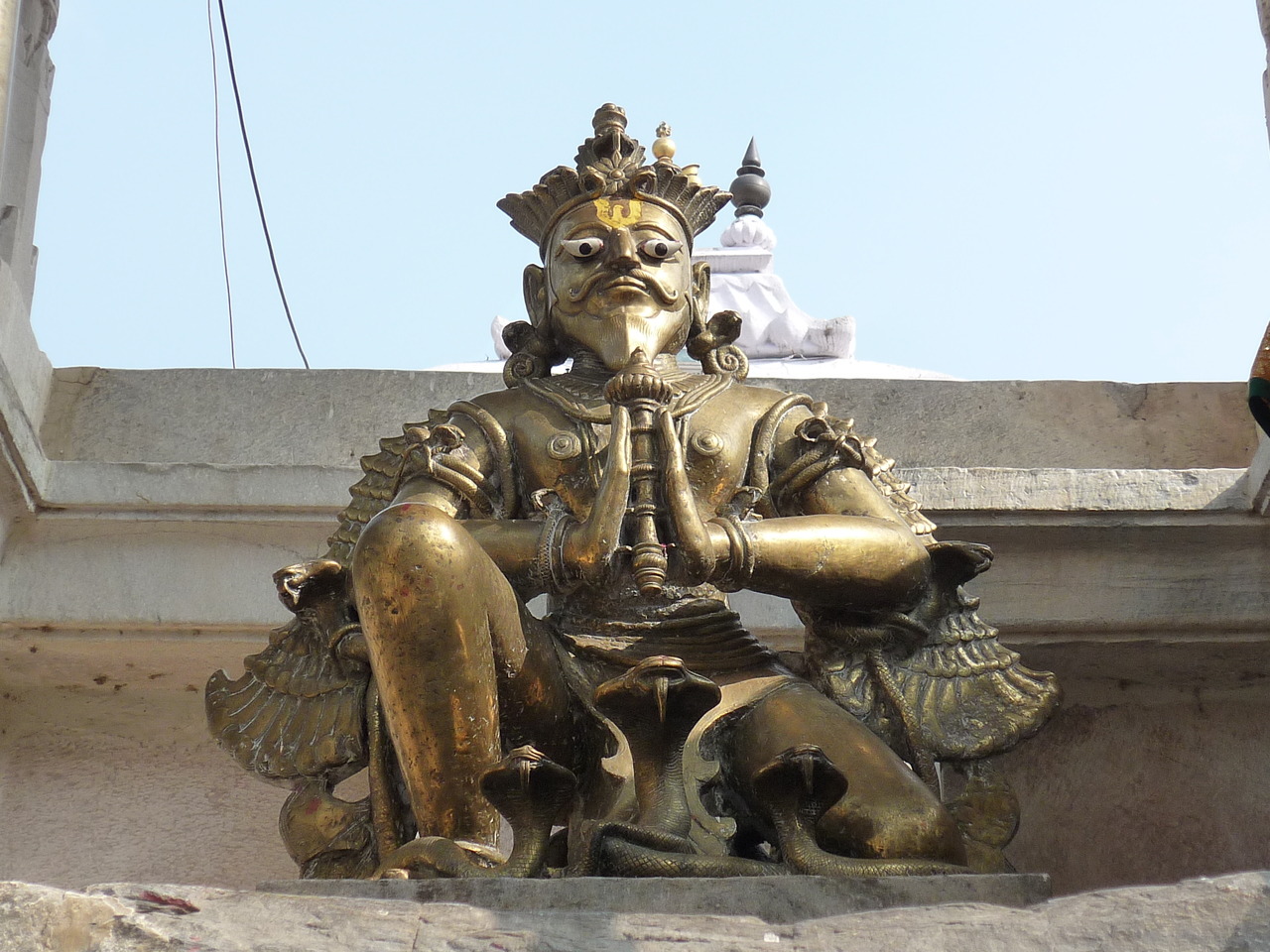
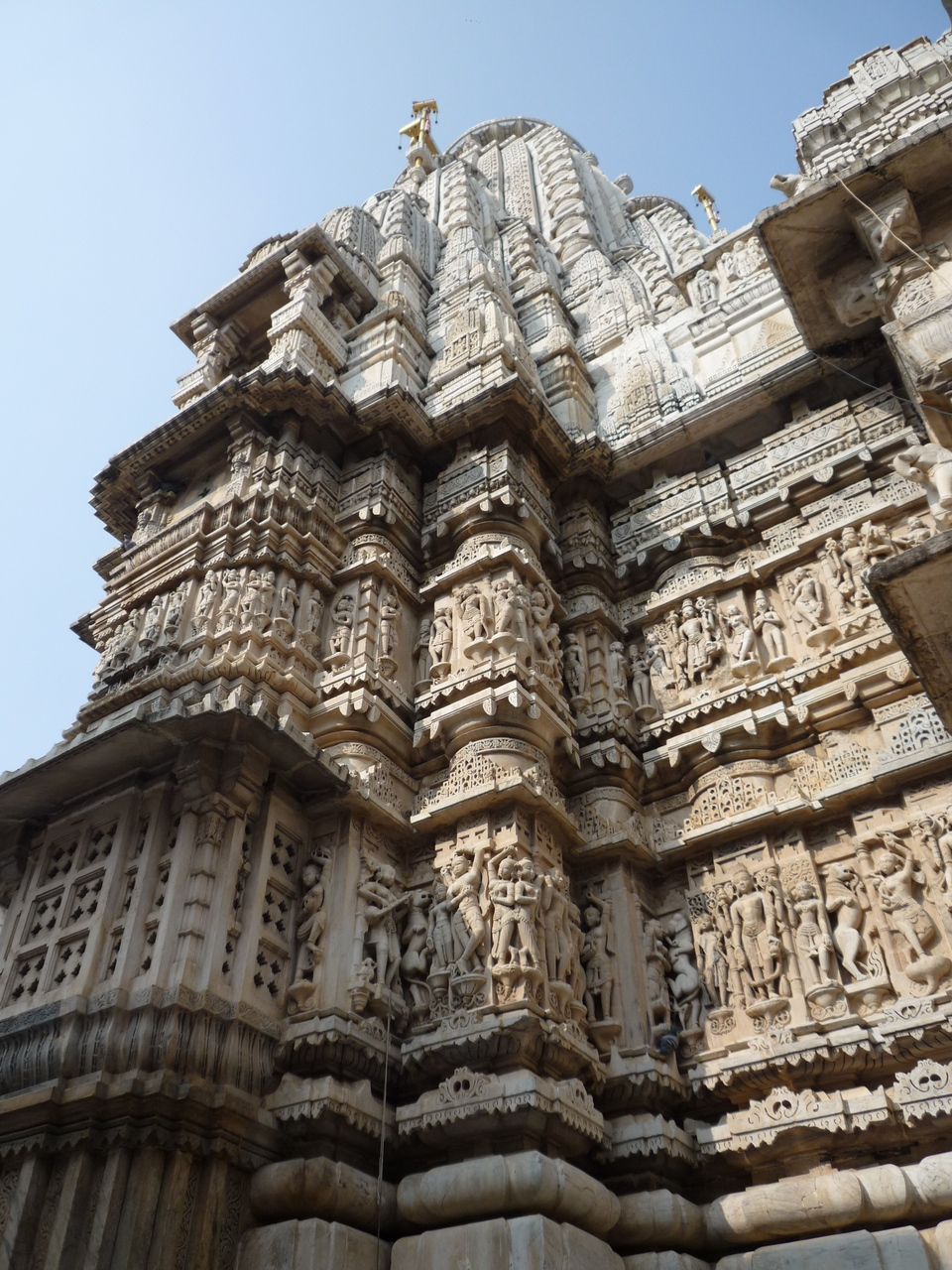
The City Palace, built on top of a hill near the lake, now is a museum devoted to saving the legacy of the Mewar dynasty, who ruled the Rajasthan province for 1,200 years until the establishment of democratic India. I visited it before getting a tour on the lake, where I could take a few steps on Jagmandir Island (another island on the lake with another top end hotel, far from being as high class as the Lake Palace though) before coming back ashore.
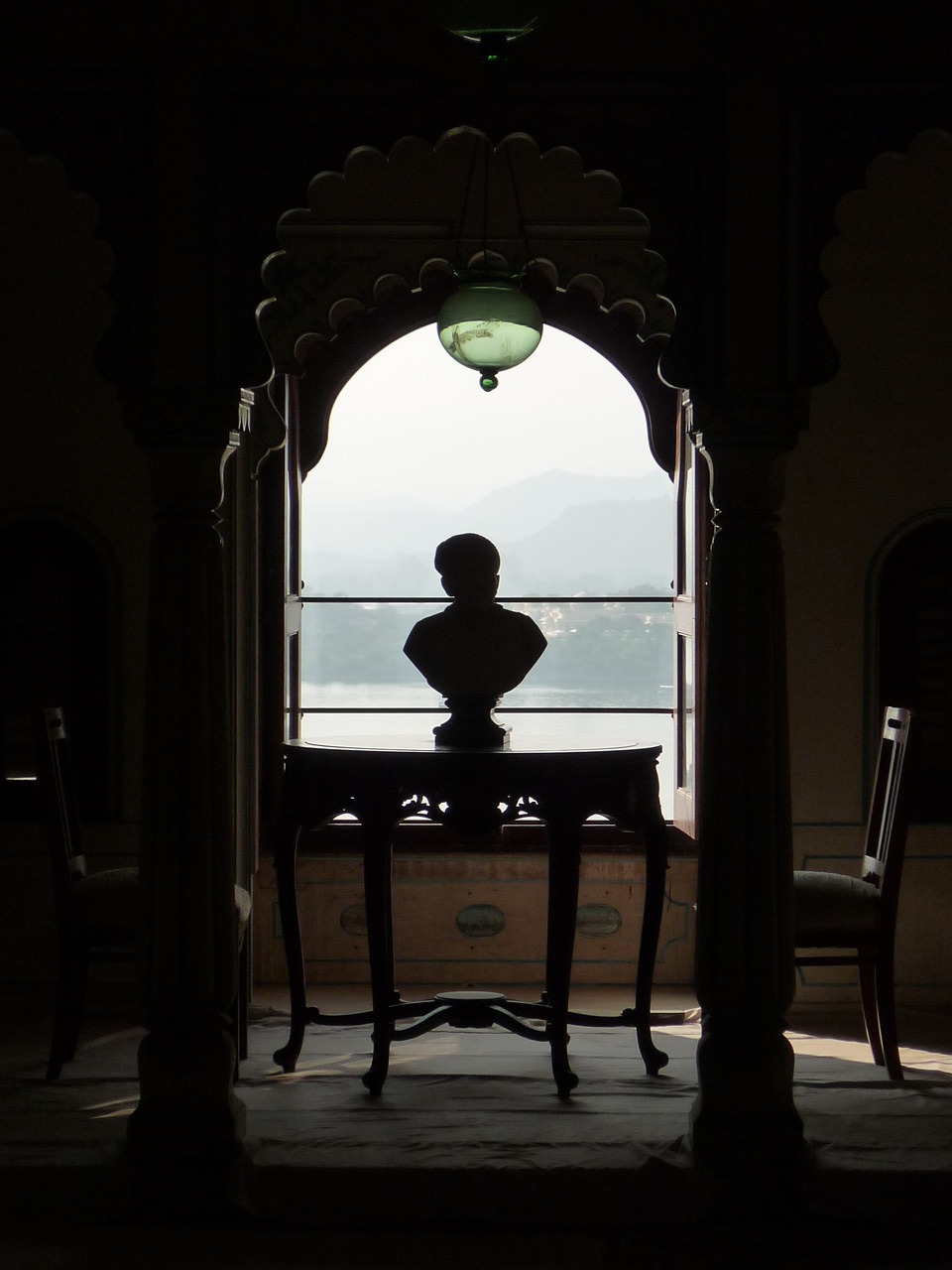
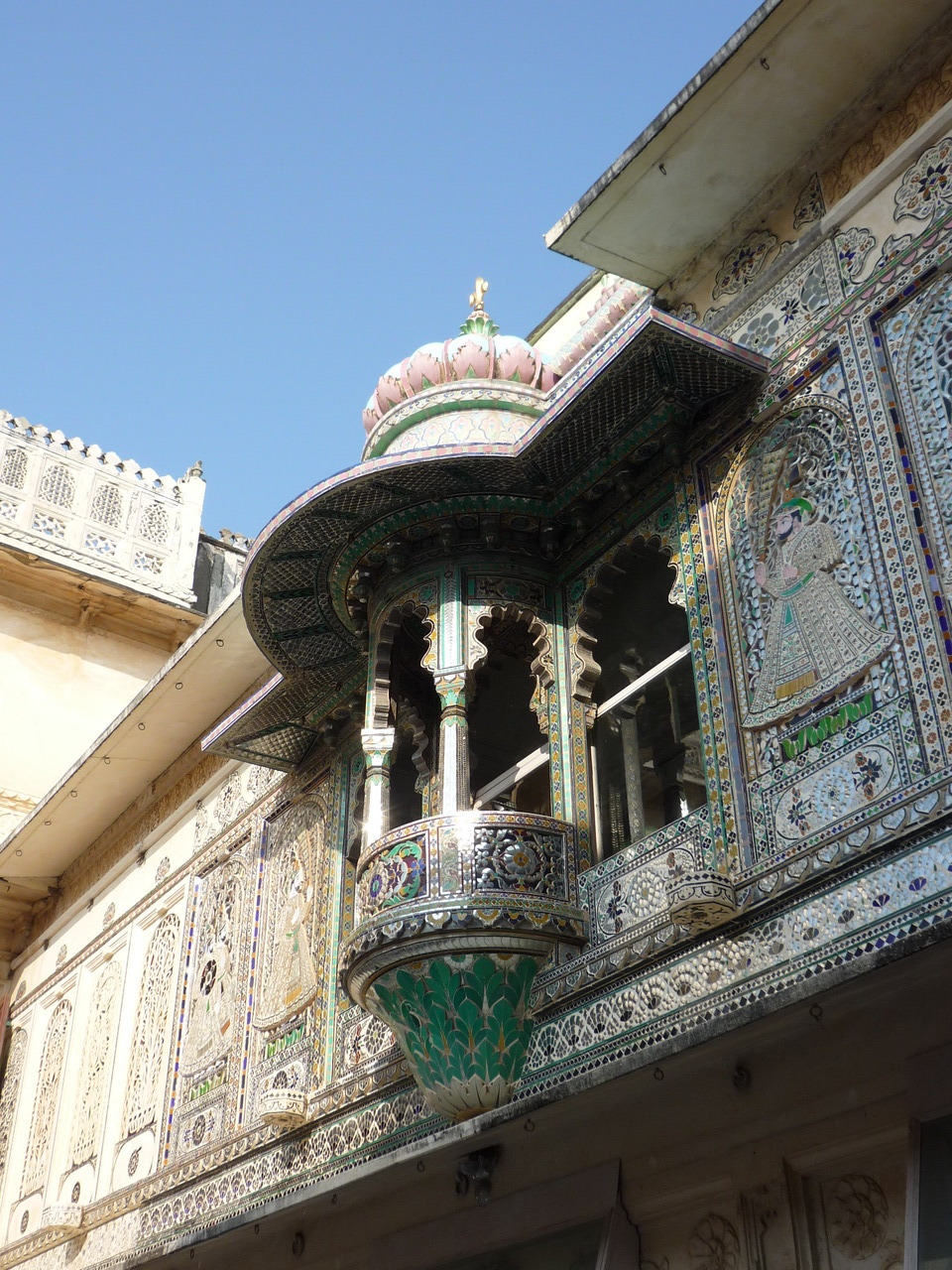
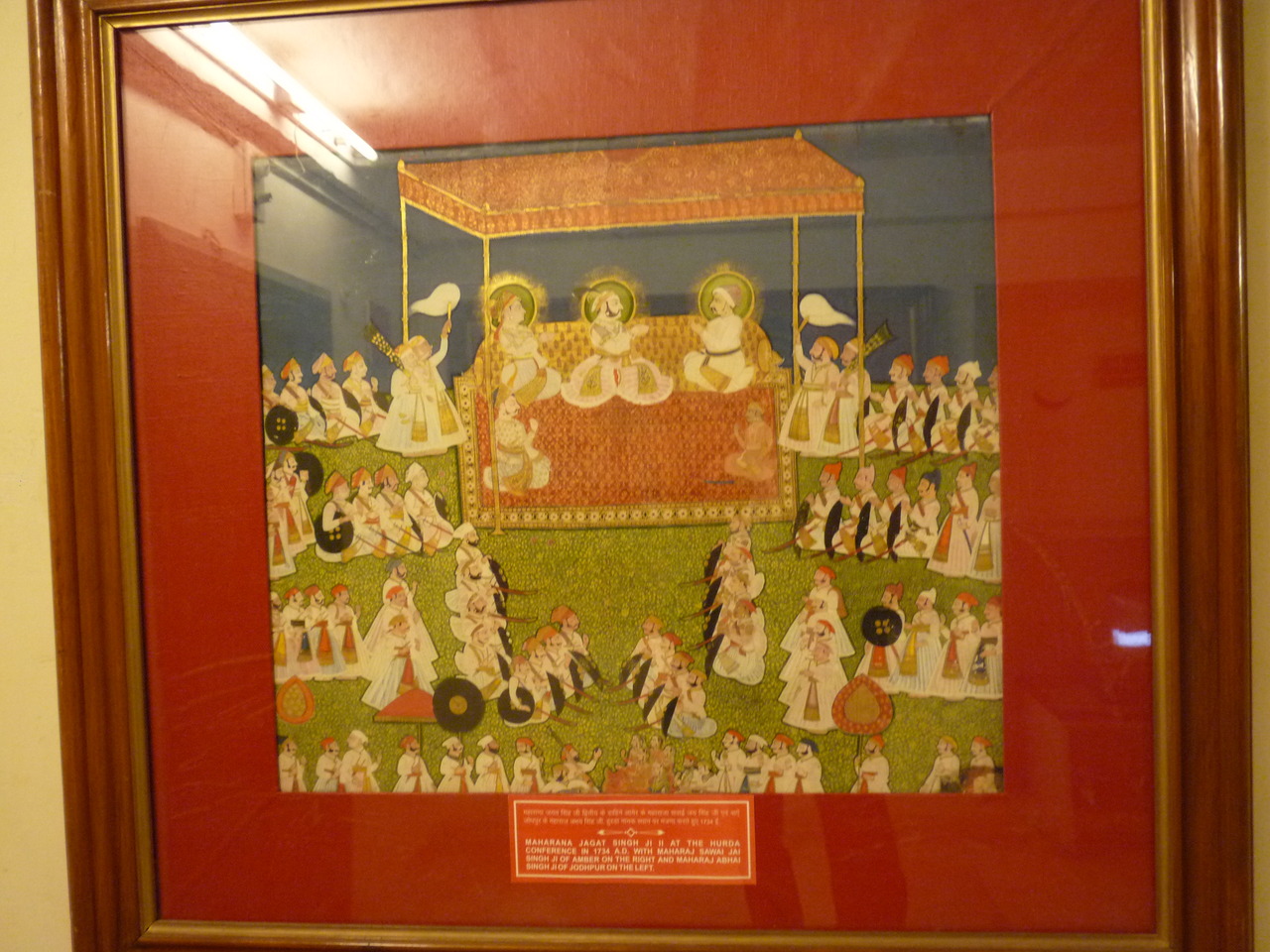
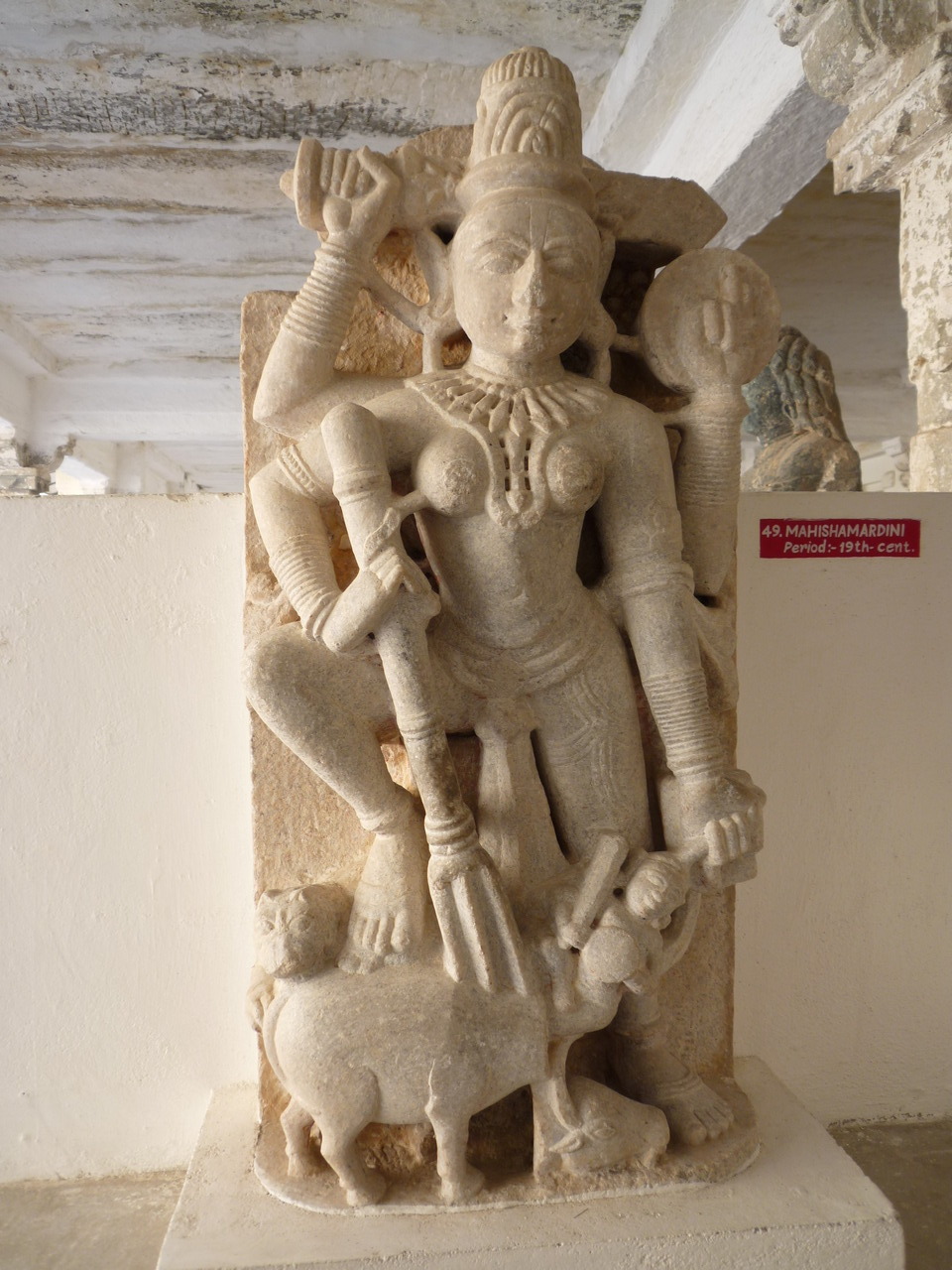
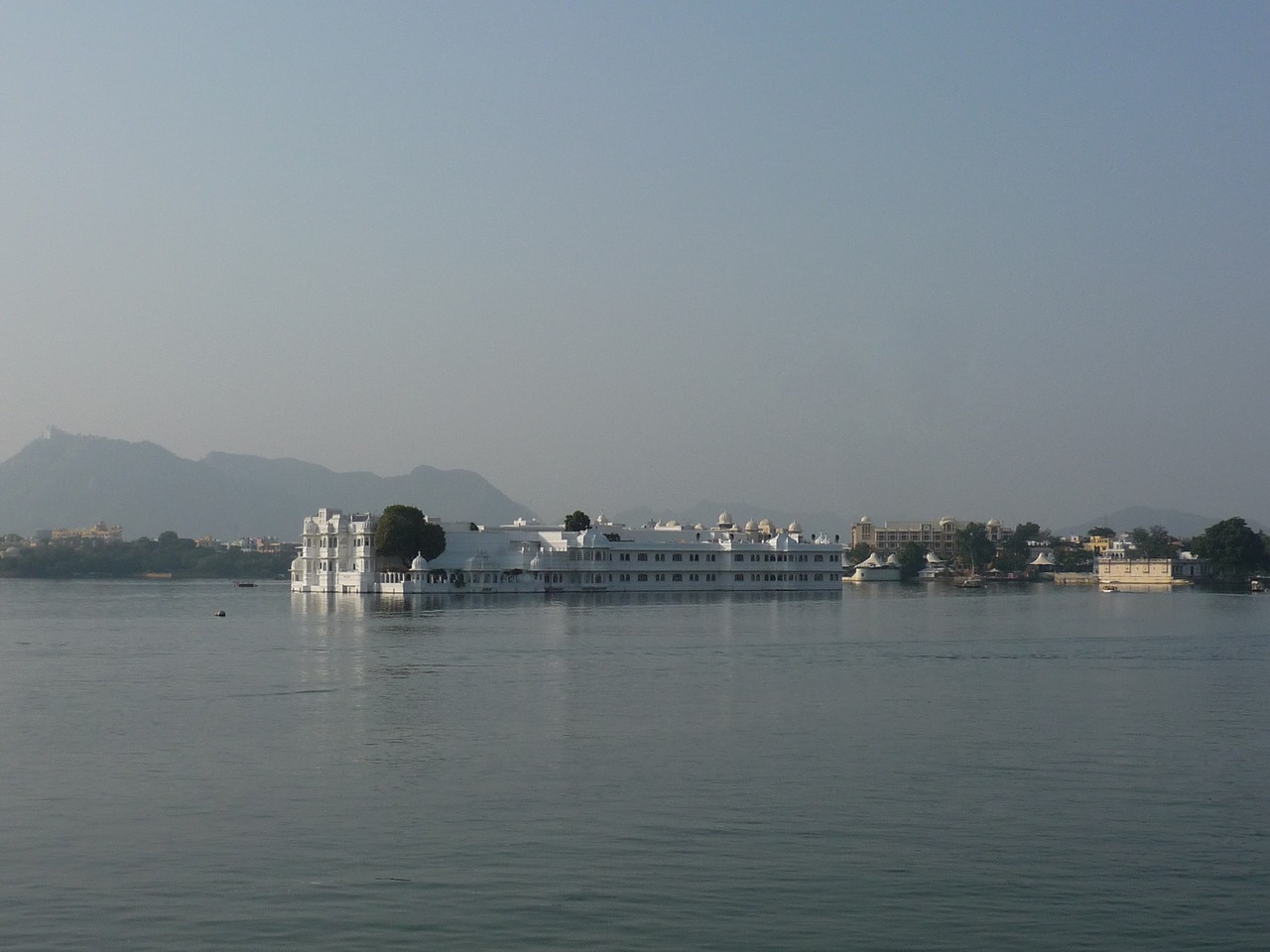
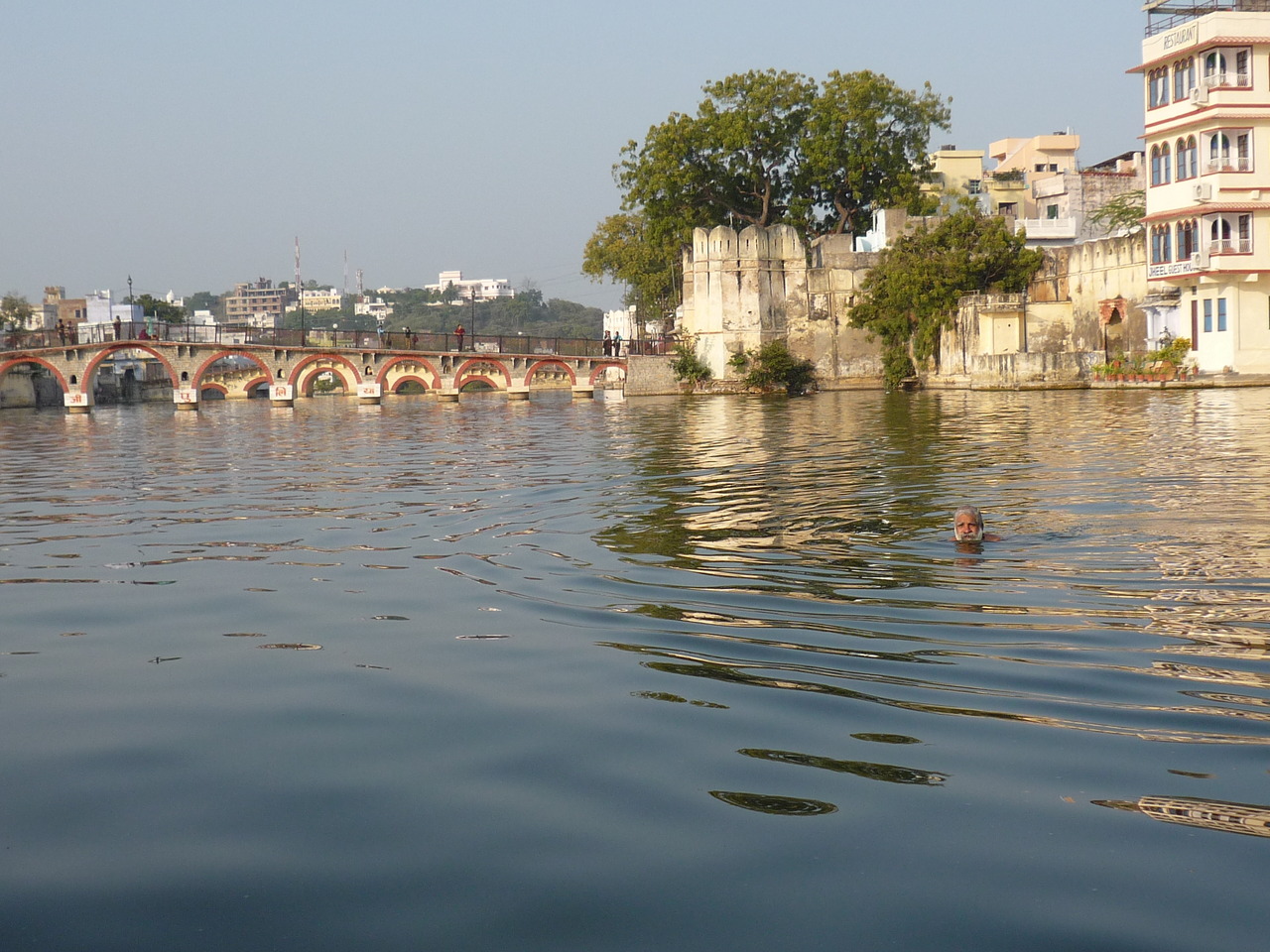
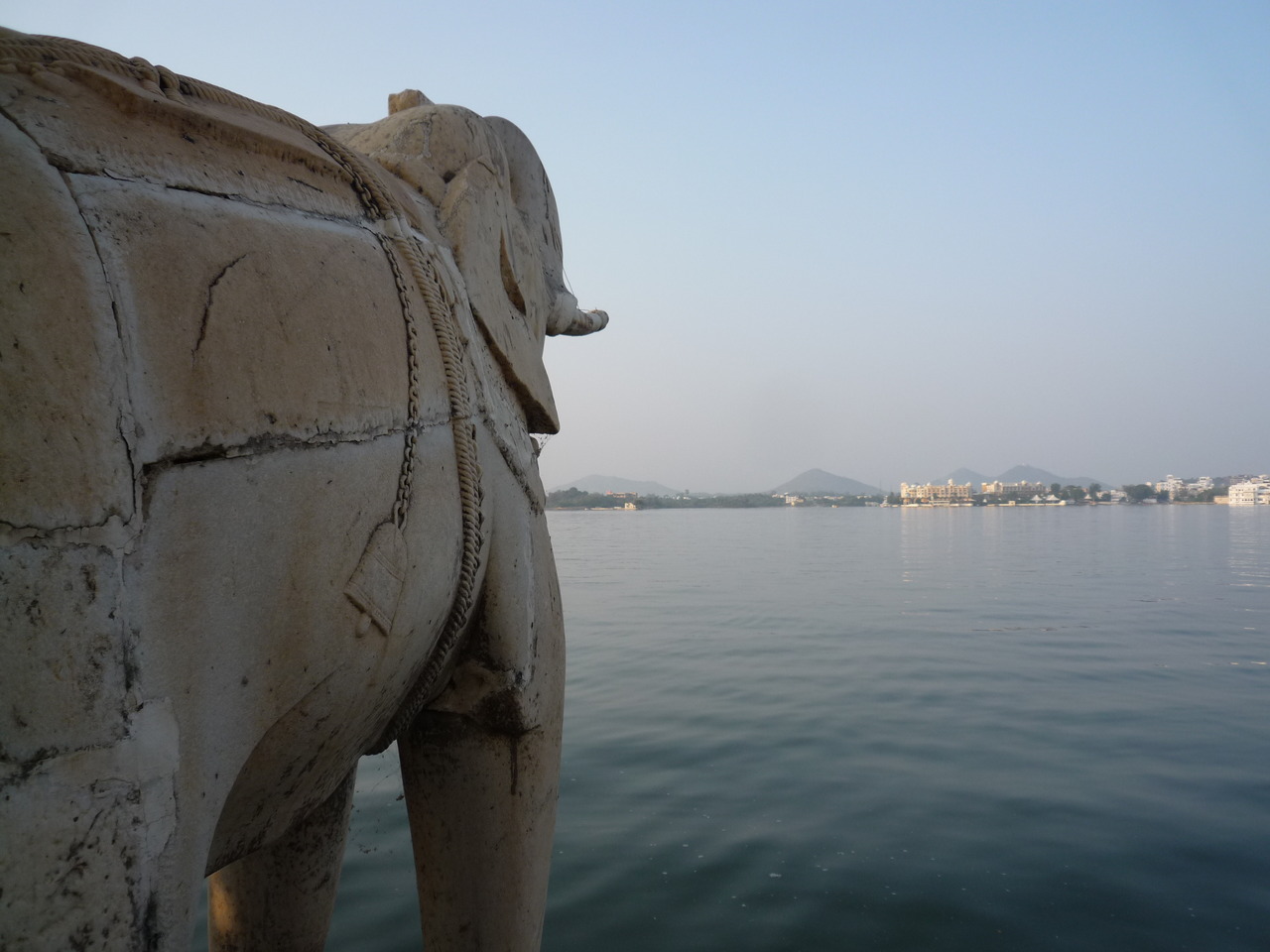
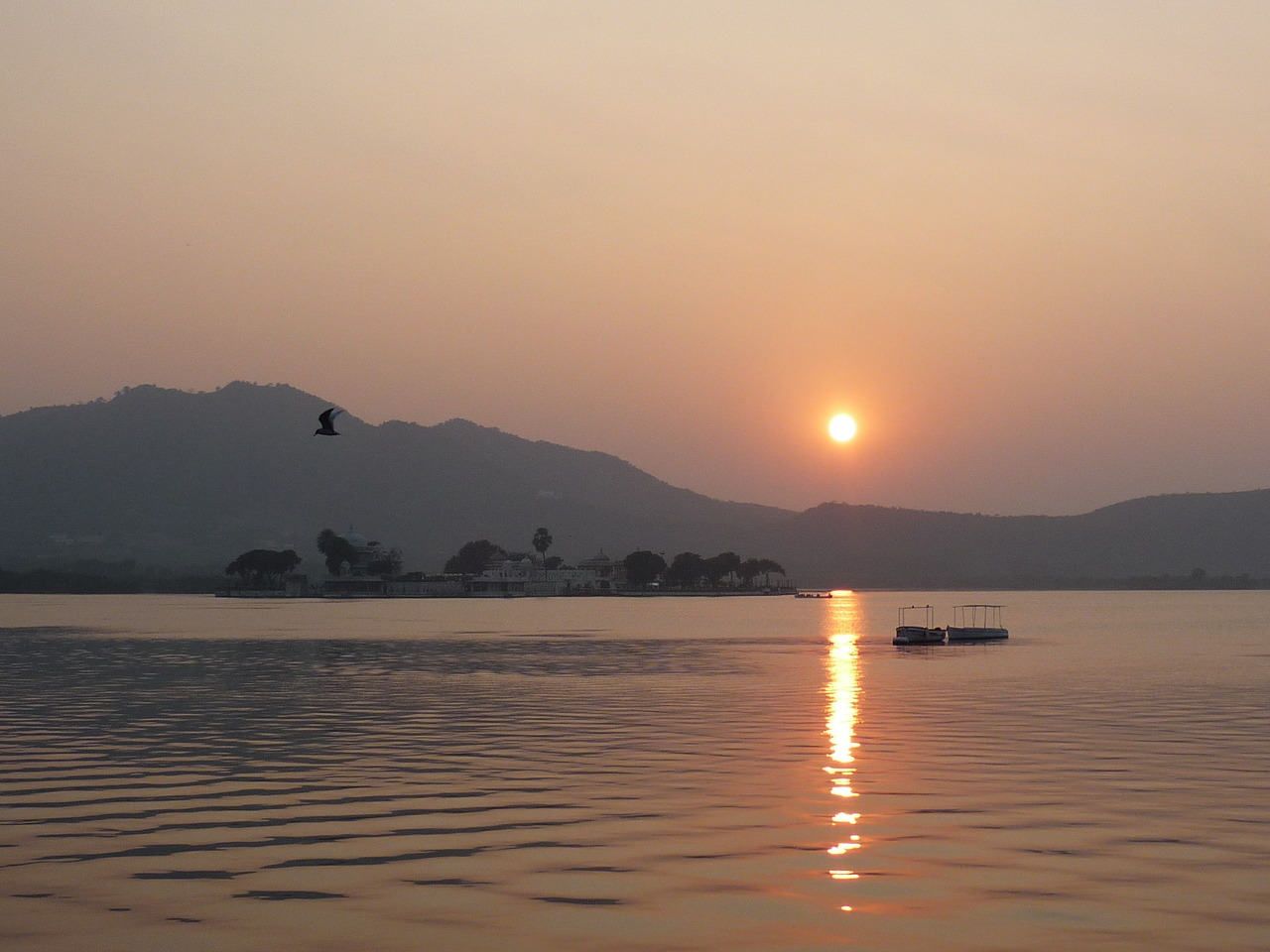
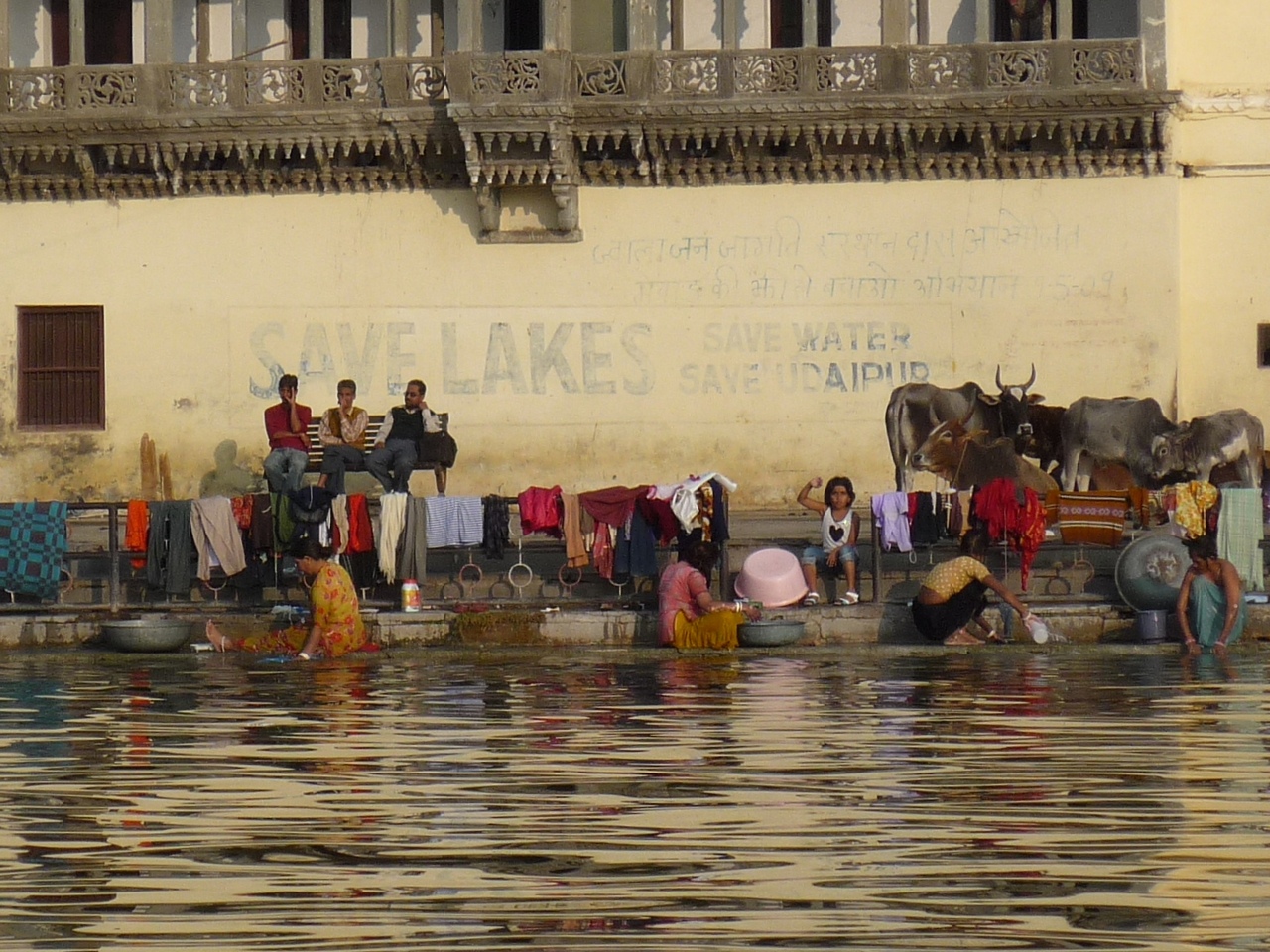
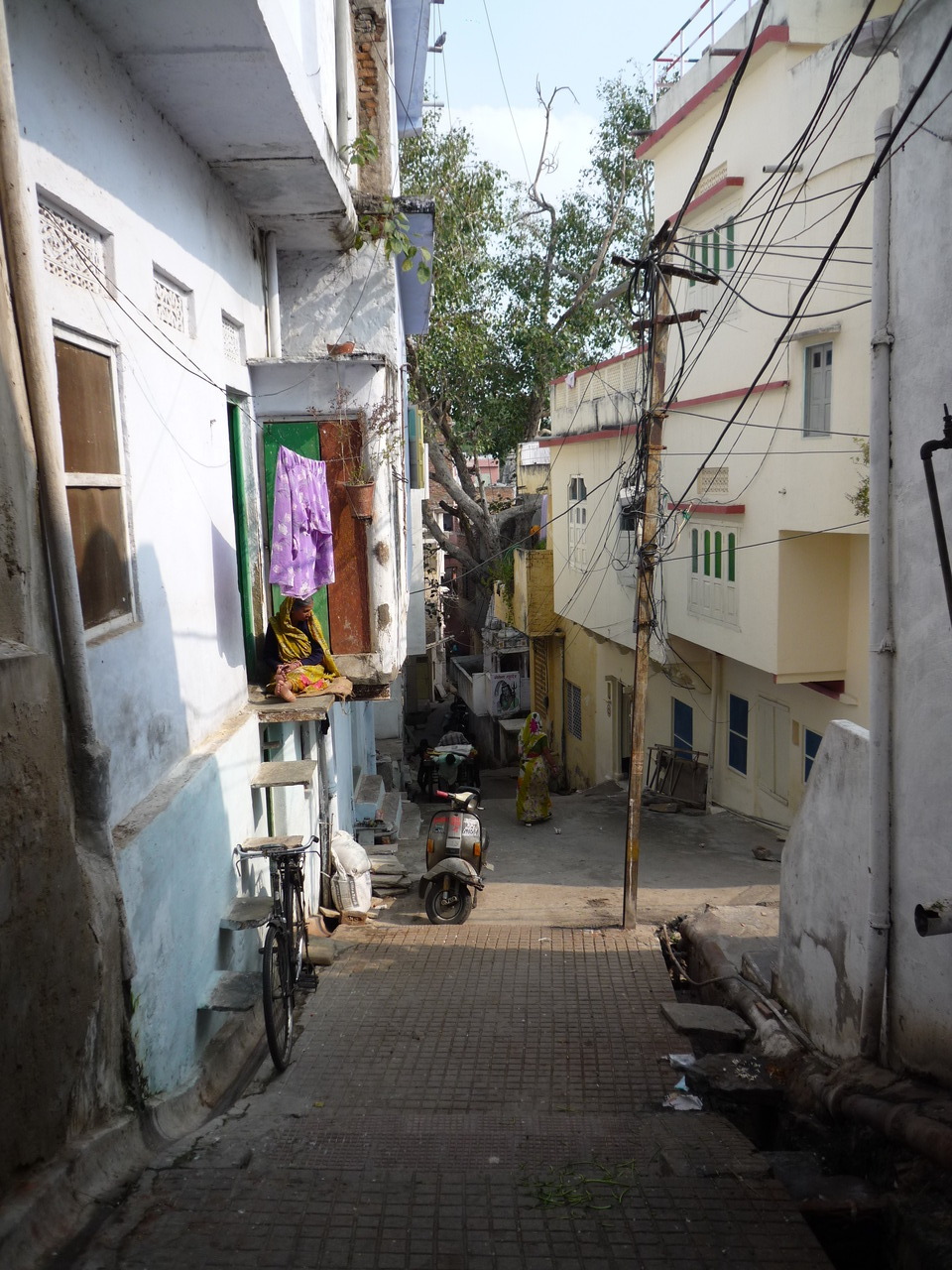
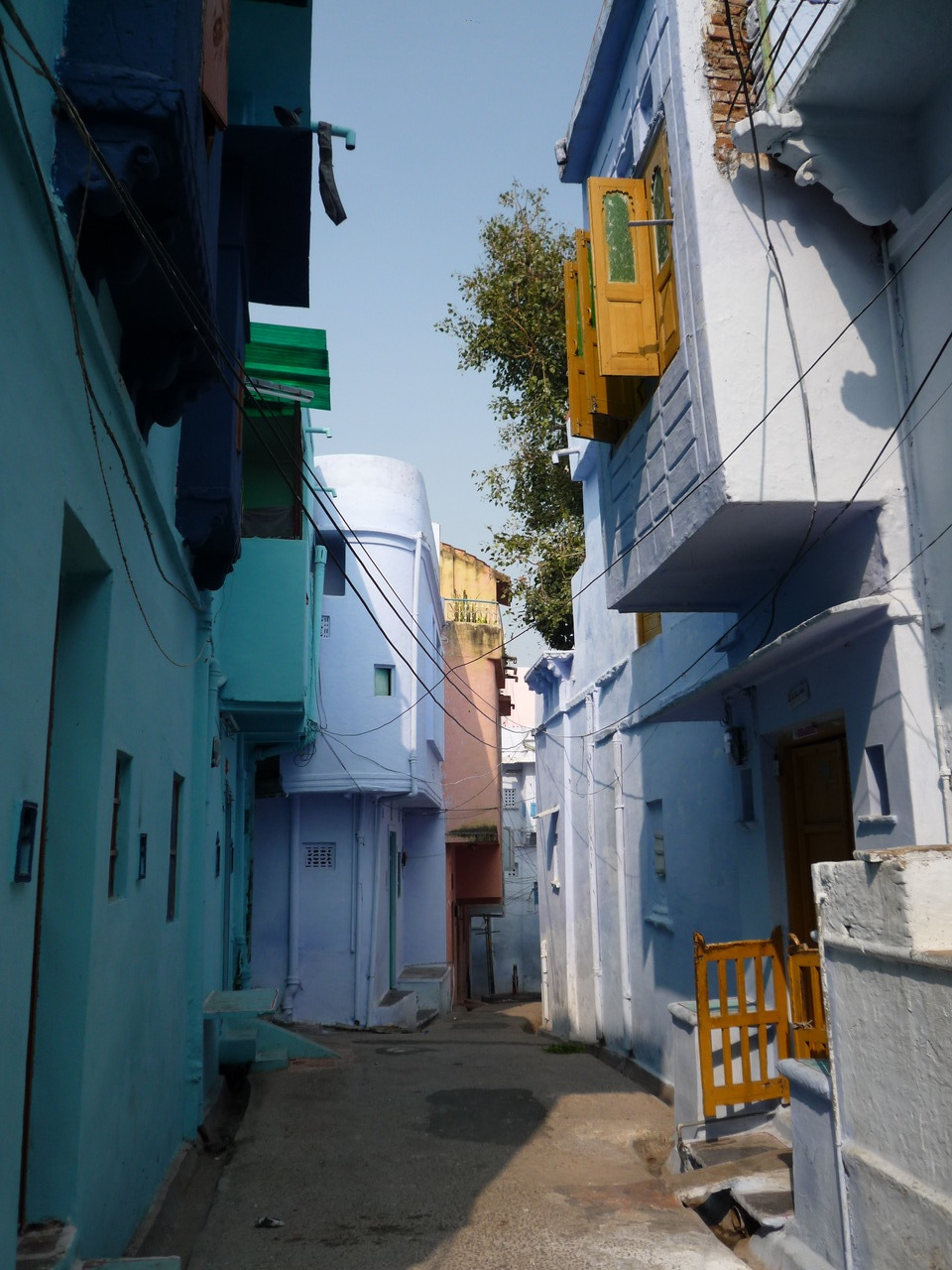
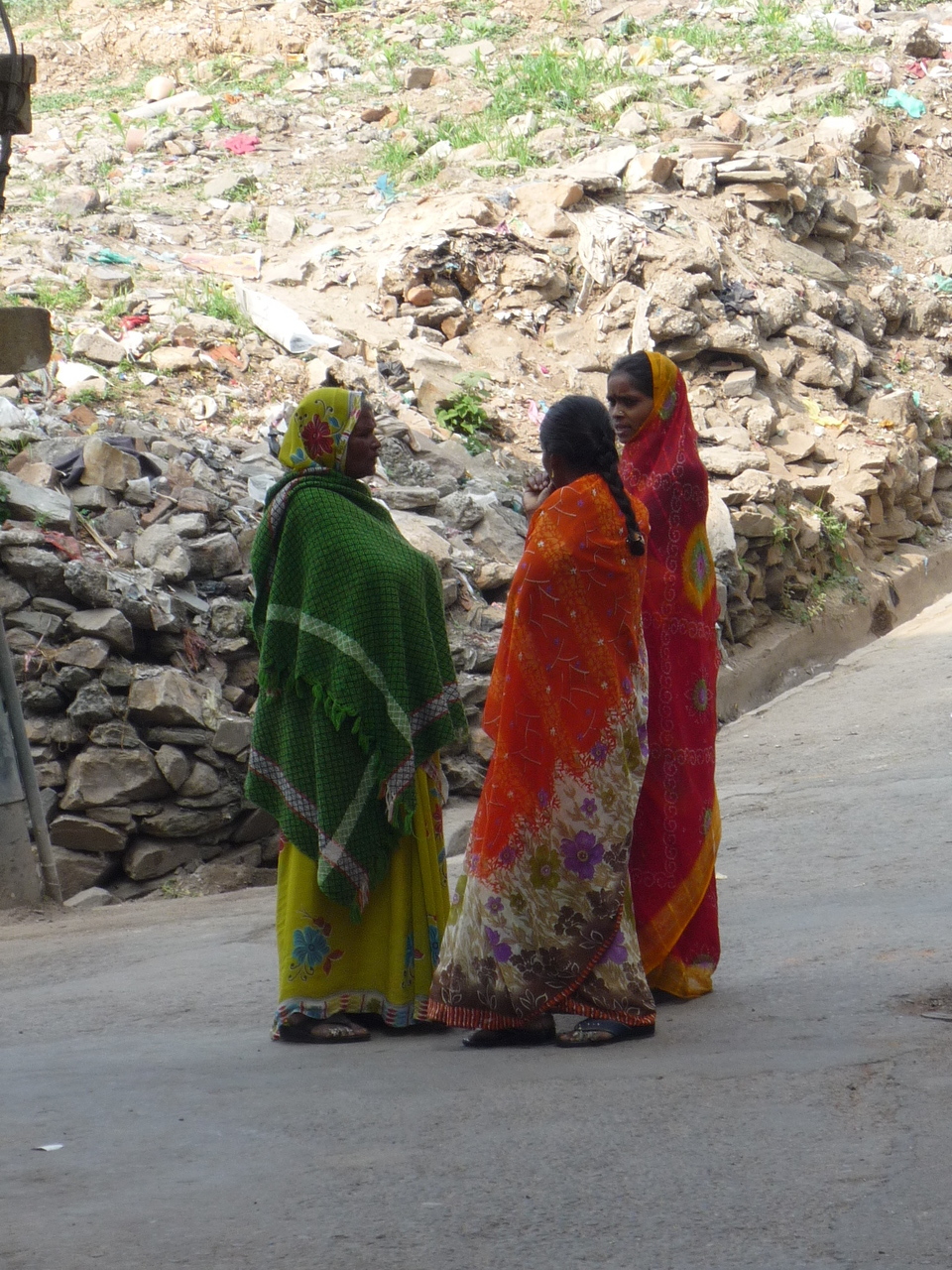
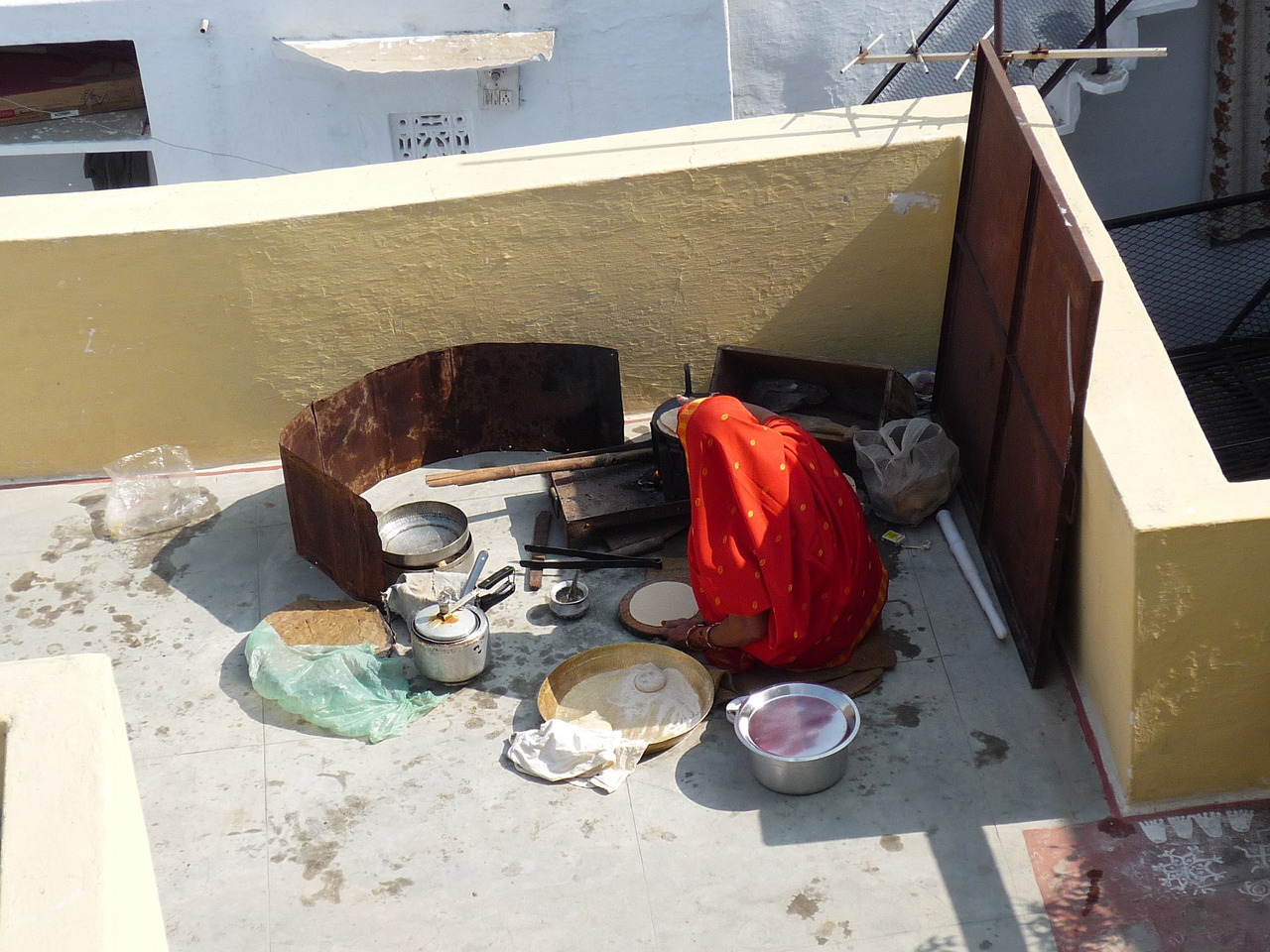
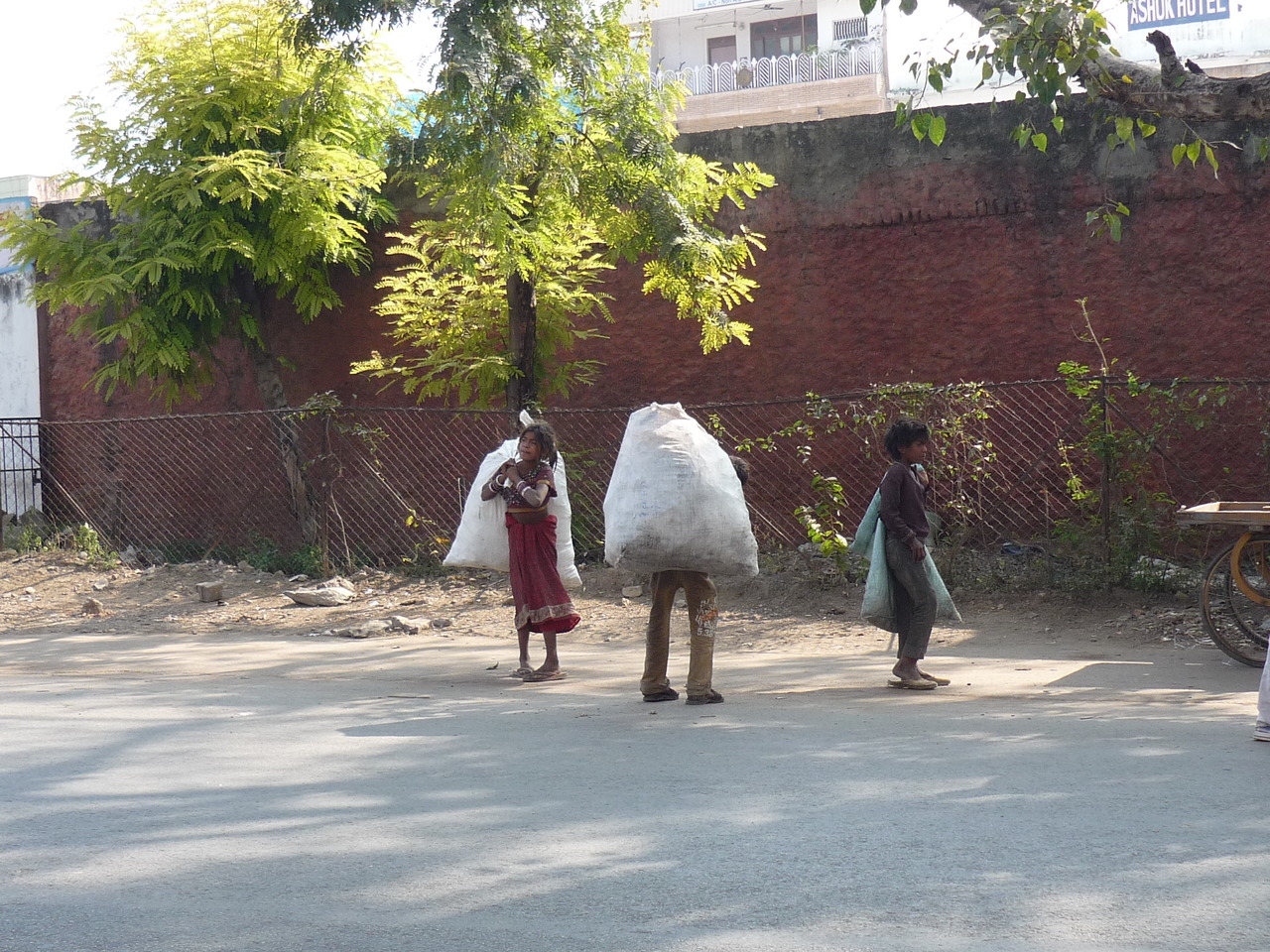
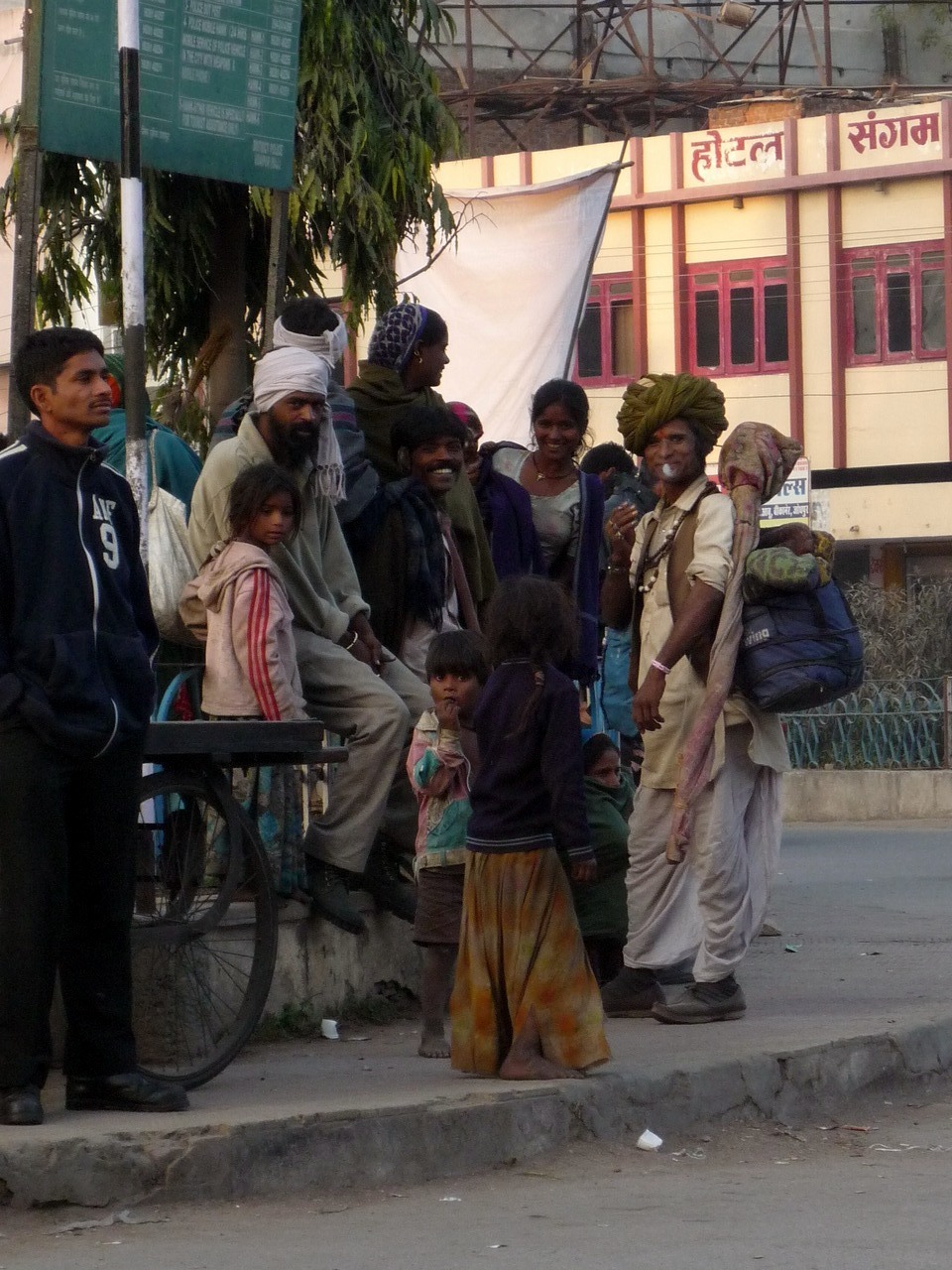
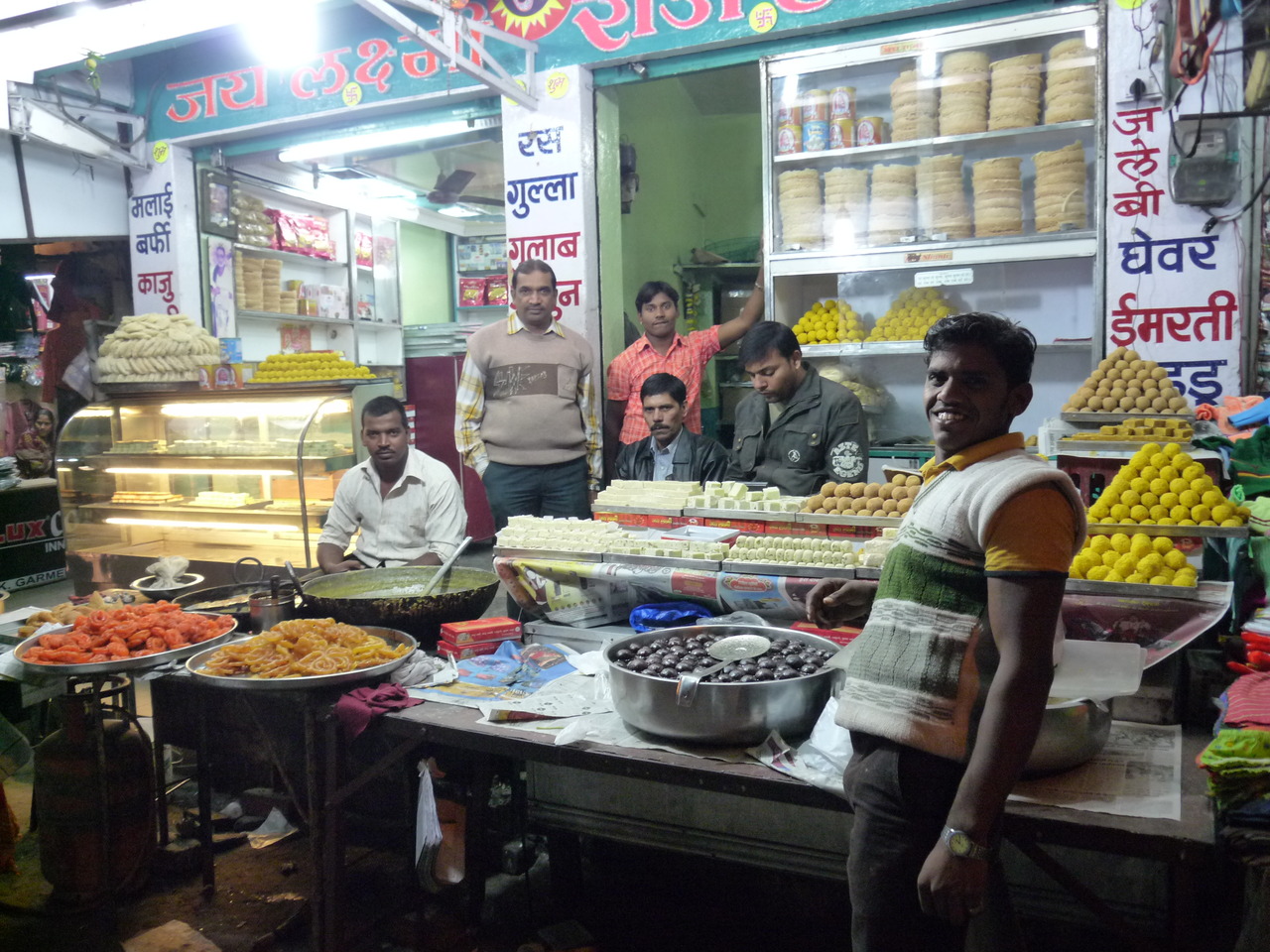
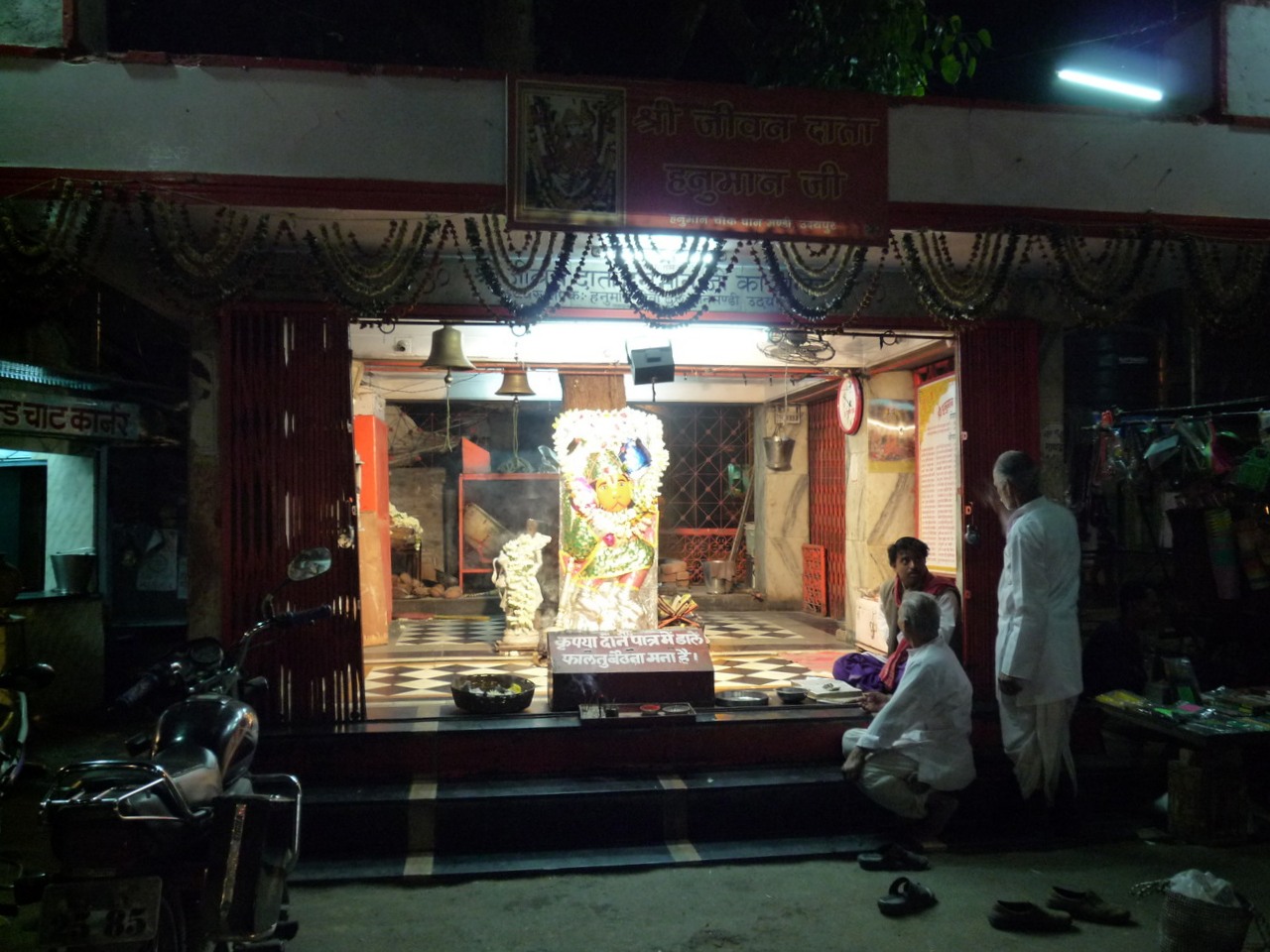
Alright. Enough about the usual attractions. Did I already say that I hated the touristic district? Well as soon as I could, I dived into the real Udaipur, far from the tourists, in the tiny and calm backstreets of this little town. And I loved it. I got lost, of course, I do not even know how many times; but I always ended up finding my way, somehow. And I loved getting lost, alone, in this beautiful town, in the middle of local Indians who do not give a damn about your origin. I have had enough of ‘Konnichiwa’ yelled at me while I was walking for the rest of my life.
It was the first time that I really felt like I had arrived in India, actually. Walking alone, wandering alone should I say, aimlessly, in the lively streets of that little town; melting with locals, trying to speak with my hands to get myself understood, watching their everyday life, being the only foreigner around was something far more beautiful, rewarding, interesting, and brought me more than the busy Mumbai or the touristic (but very enjoyable still) Goa.
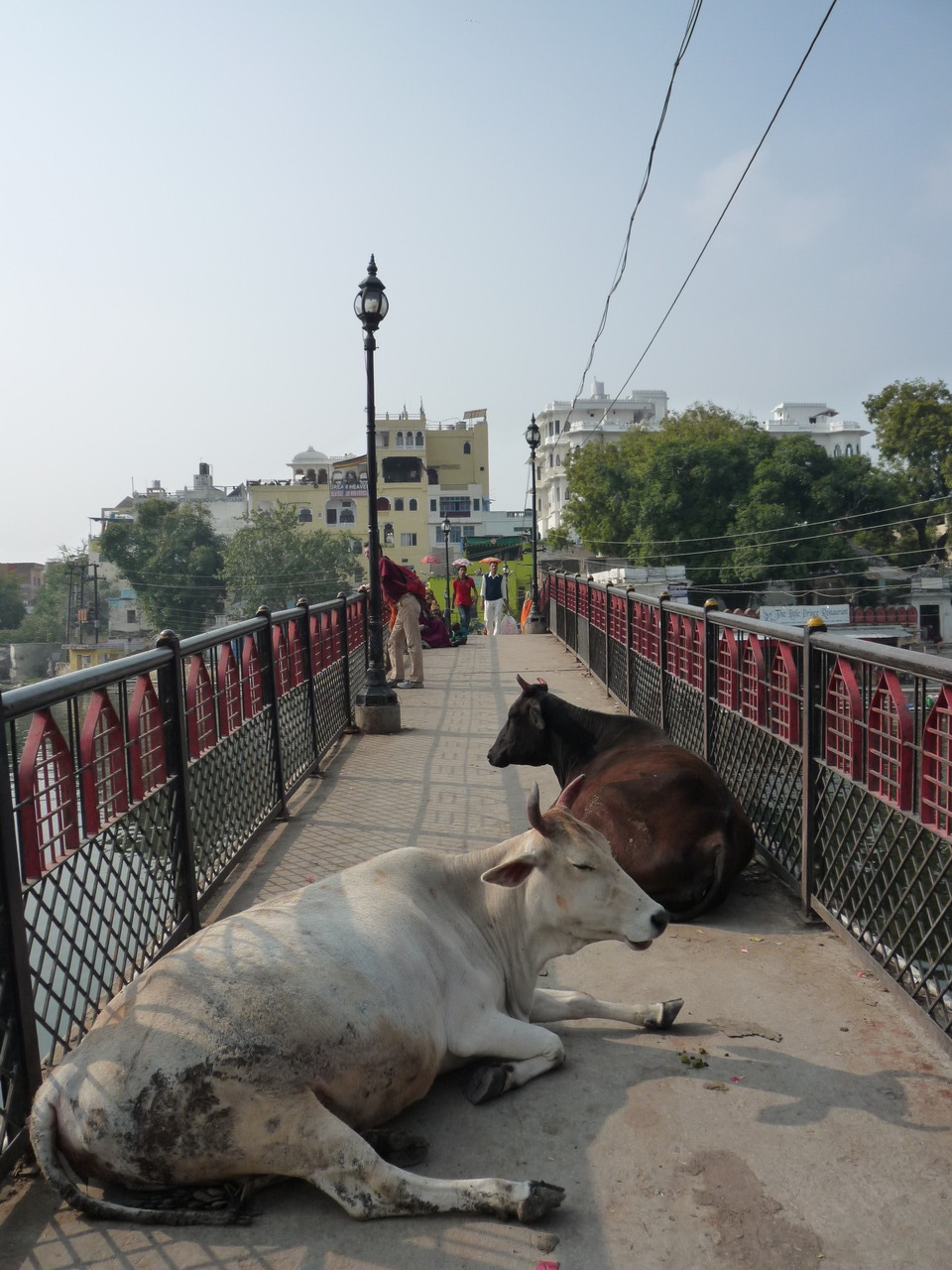
One thing I will remember is the image of that man, buying vegetables at a street market stall during the night. A cow approached him and started peeing right beside him – and if you have never seen a cow peeing, well, it is like, let us say, the Niagara falls but with urine. Instead of yelling and raging – or even laughing – he simply stepped aside and calmly, patiently waited for the cow to finish, and then carried on choosing vegetables as if nothing had happened.
As if he did not feel he had any right to own the land he was on just because his species had built a road on it. As if the cows, and all the other animals, dogs, monkeys, rats alike, had the same right as him to live here, on this land, to do what they want, as if humans, in the end, had the same right to be on Earth than any other animal.
As if he did not feel superior, in any way, to any other living being.
This was the second time my mind was blown up in India.
On the last day, I sat down on the rooftop of my guesthouse to get a bit of sunlight. Vikki joined me and we started a conversation, discovering that we were way more similar than we had thought, despite the difference in our origins, our cultures, our education. We found that our visions of life, on some aspects, were more alike than with anyone we had ever met, far from the standard, classical and so cold behaviors of the modern world.
This is the moment he became a friend, almost a spiritual brother. And I had to leave him an hour later, to take another overnight bus to Agra. I did it with regret, but without looking back.
But I do hope I will see you again, my friend.
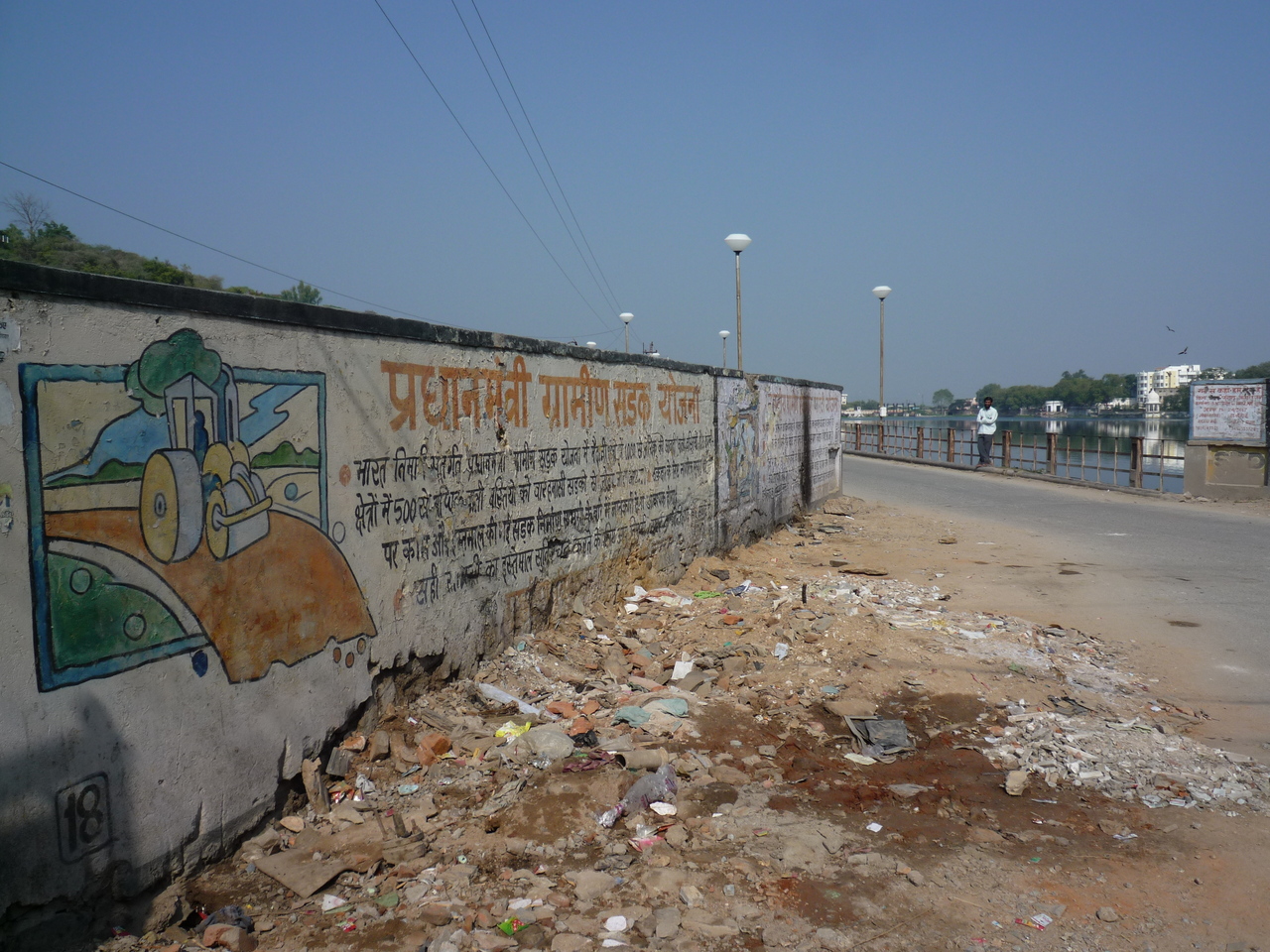
Hi, it is nice to read about the other side of Udaipur, i hated all the touristic information too. I will be traveling to Udaipur in February with my school mates for some city planning and design project. Would like to ask you regarding the slum areas in Udaipur. Is there any significant slum in the Udaipur City and any names of those slum? where is the place of that photo of slum along the roadside which you have taken it? thank you so much and enjoy your trips:)