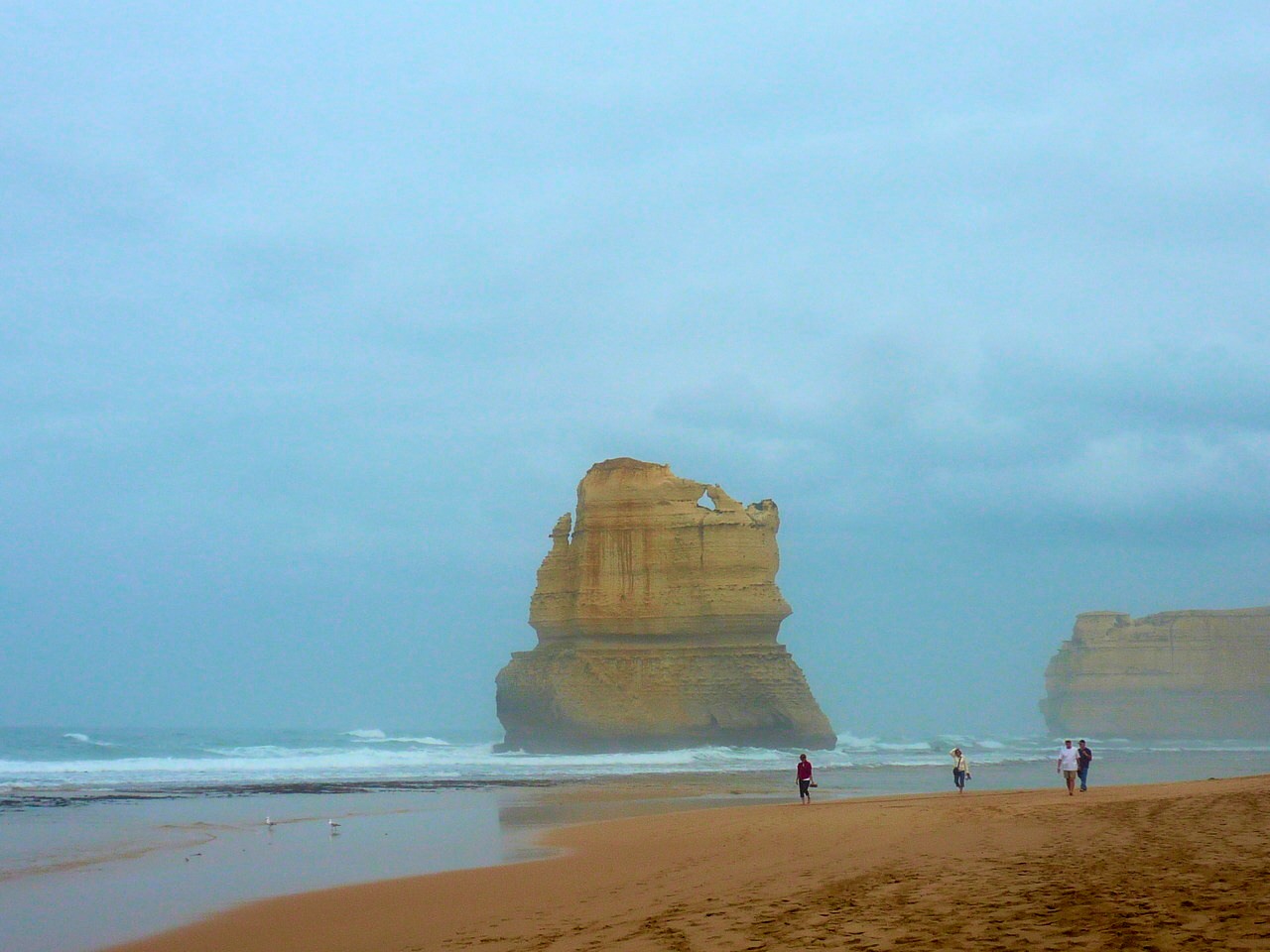
I took a train to Geelong, a bus to Torquay… And I started walking along the road, with my thumb up.
After a few kilometers, someone picked me up and my day began.
I took a train to Geelong, a bus to Torquay… And I started walking along the road, with my thumb up.
After a few kilometers, someone picked me up and my day began.
If Sydney is undoubtedly the most iconic city of Australia (who could not recognize its Opera House?), Melbourne is, to me, its most culturally vibrant metropolis.
In between skyscrapers from the CBD (Central Business District), it is thus not rare to find tiny alleyways bustling with activity around cafés and pubs. The laneway culture and underground life are definite highlights of the place, with incredibly beautiful and striking street art, a talented music scene, year-round festivals, or relaxing loungy bars and pumped-up nightclubs. For those who prefer the artsy venues, Melbourne’s museums are world-class in classical as well as contemporary art, and the surprising but definitely inspired modern architecture of the buildings might convert even the most ardent defender of the old monuments.
The alternative or bohemian lifestyle has, on its side, conquered several districts of the city – they are probably the most interesting urban places I have had to visit in the whole continent. It is not difficult to find sheesha bars in the same street as op shops, organic grocery stores or trendy clothes boutiques. If you get a bit tired while walking there, do not forget to stop at one of the friendly pubs to try the delicious coffee or mocha before going on your visit.
But before discovering all these jewels from Melbourne, I have to admit my first impression from the place was quite bad. One reason for this: the Australian backpacker business.
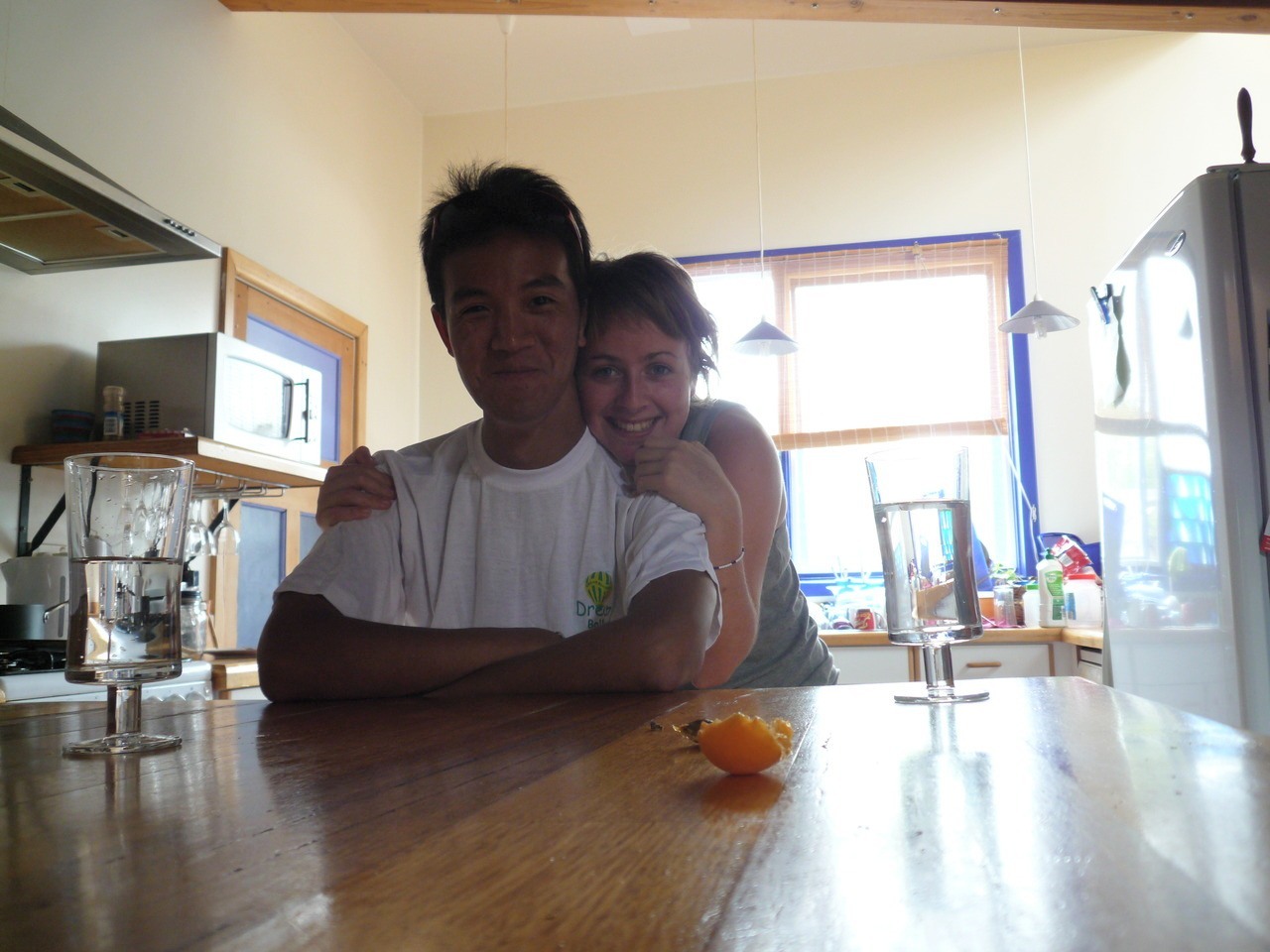
In the midst of countless unexpected complications (bad schedules, stuff to do, personal problems, journey delays), one thing from my stay in Marlo remained: I saw Bailey again, after our amazing trip in the Middle-East, and before going on around the world.
To be honest, I would have never heard of Marlo, a small village of 340 inhabitants – they call that a town in Australia – lost on the South Coast of Victoria, if not for her. We had agreed on meeting again when we parted in Cairo airport, almost six months ago now (God time flies) – and despite the lack of communication means, despite the vague schedule of my hitch-hiking, we did.
And thus I ended up there – where the Snowy meets the sea.
I love CouchSurfing. I have probably already said it, but I love CouchSurfing. For everything it brought to my trip – locals’ recommendations, discovering cultures from the inside, meeting great people, sharing joys and, most importantly, making amazing friends – I am eternally grateful, and in debt to all the CouchSurfers around the world. They will be most welcome at my place, when – or rather every time – I will be settled down somewhere.
Nevertheless, despite all the qualities of the CouchSurfing project, it does have one major drawback. It needs the Internet.
I am not talking about the problem of accessing the Internet, though. Travelers can find, nowadays, an access to the Internet – may it be a Wi-Fi hot-spot or a cybercafe – relatively easily (thank you McDonald’s and Burger King, aka Hungry Jack’s for our Australian friends); as for the hosts, it is obvious that CouchSurfing cannot expand to the regions of the world that are not reached by this powerful medium. This is something that will improve with time; and after all, on the other hand, it is sometimes a relief to find that you can be impossible to reach in some parts of this world. Yes. It is.
I am, actually, talking about the fact that CouchSurfing needs messages between the host and the surfer if they are to organize the latter’s stay. Such a conversation, obviously necessary, takes at least a week, if not several. Which means the traveler needs to know a week in advance where he is going. CouchSurfing is an amazing project, but it restrains the sheer freedom of travelers, especially those, like me, who are always on the move, always on the road, and only following the wind.
This is what I realized, the night before I reached Sydney, after a phone call to Kevin, a CouchSurfer that I thought would be able to host me when I would arrive there. In the silence of Newcastle’s train station, the fact that CouchSurfing was, after all, also a social act, implying social rules and roles, became all but too obvious to me.
After all, one of the reasons why I am traveling is to escape the constant demands of the society.
Maybe such a thing is impossible.
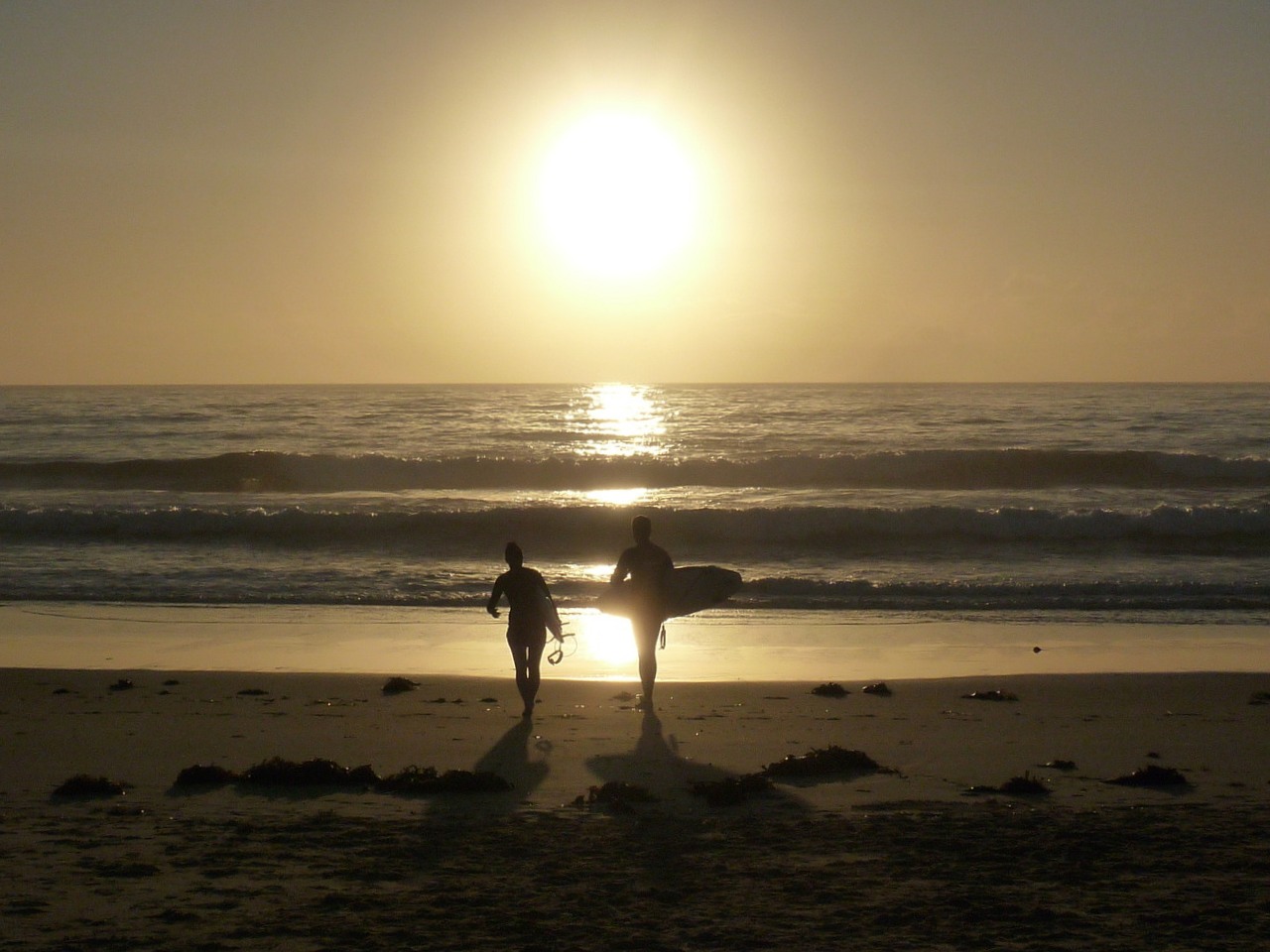
Yeah, Newcastle, but not the one in England. Several places bear the same name as others back in the United Kingdom, as if the founders of the towns had absolutely no inspiration at that moment, or maybe too much nostalgia for their homeland.
Because Australia, as some of you already know, was colonized (some would say stolen, conquered from the Aboriginals) by Captain James Cook, the first European explorer to reach the East Coast of Australia. It quickly became a jail, England sending entire ships of convicts there, on the other side of the world, for them to stay and live the rest of their lives in exile.
But the convicts flourished and thrived, on this land strangely harsh and full of resources at the same time – some would say resources stolen from the Aboriginals. And, in the end, they got their independence.
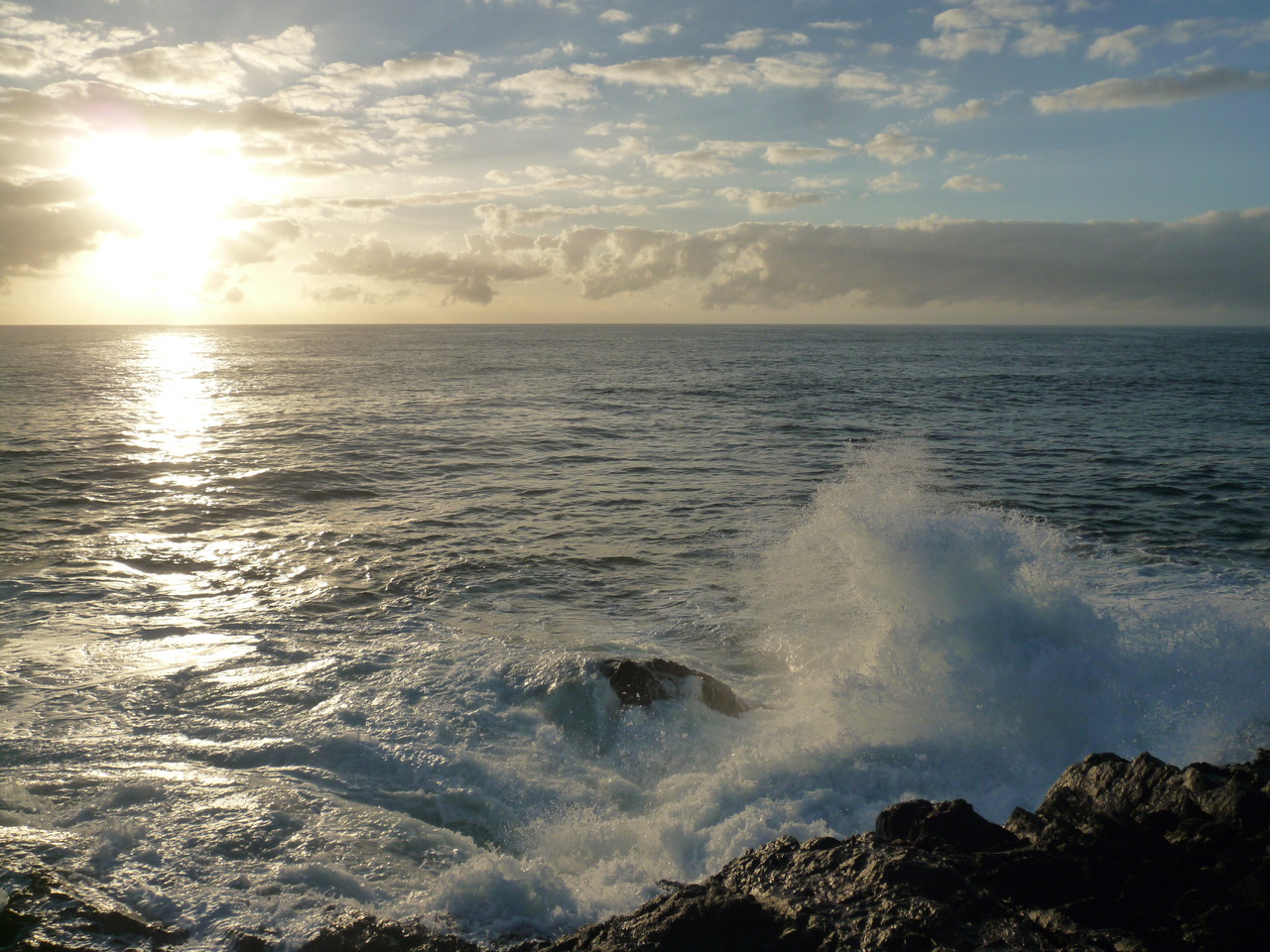
“You did Byron Bay, Coffs Harbour, Port Macquarie, Newcastle?”
“Errr… Yeah – how did you guess?”
“That’s what everyone does.”
And so I recently learned from Stephan, Dutch architect now living in New Zealand, that my itinerary on the Australian East Coast was kind of classical. I only looked at the map and decided to hit the biggest points along the way, though, but I guess that on a coast, you have not much of a choice when you follow that sort of thought process.
So I followed the touristic road, named the Pacific Highway, towards the south while the summer was giving life to thousands of tourists, so-called backpackers (I will come back later to these ones), and travelers.
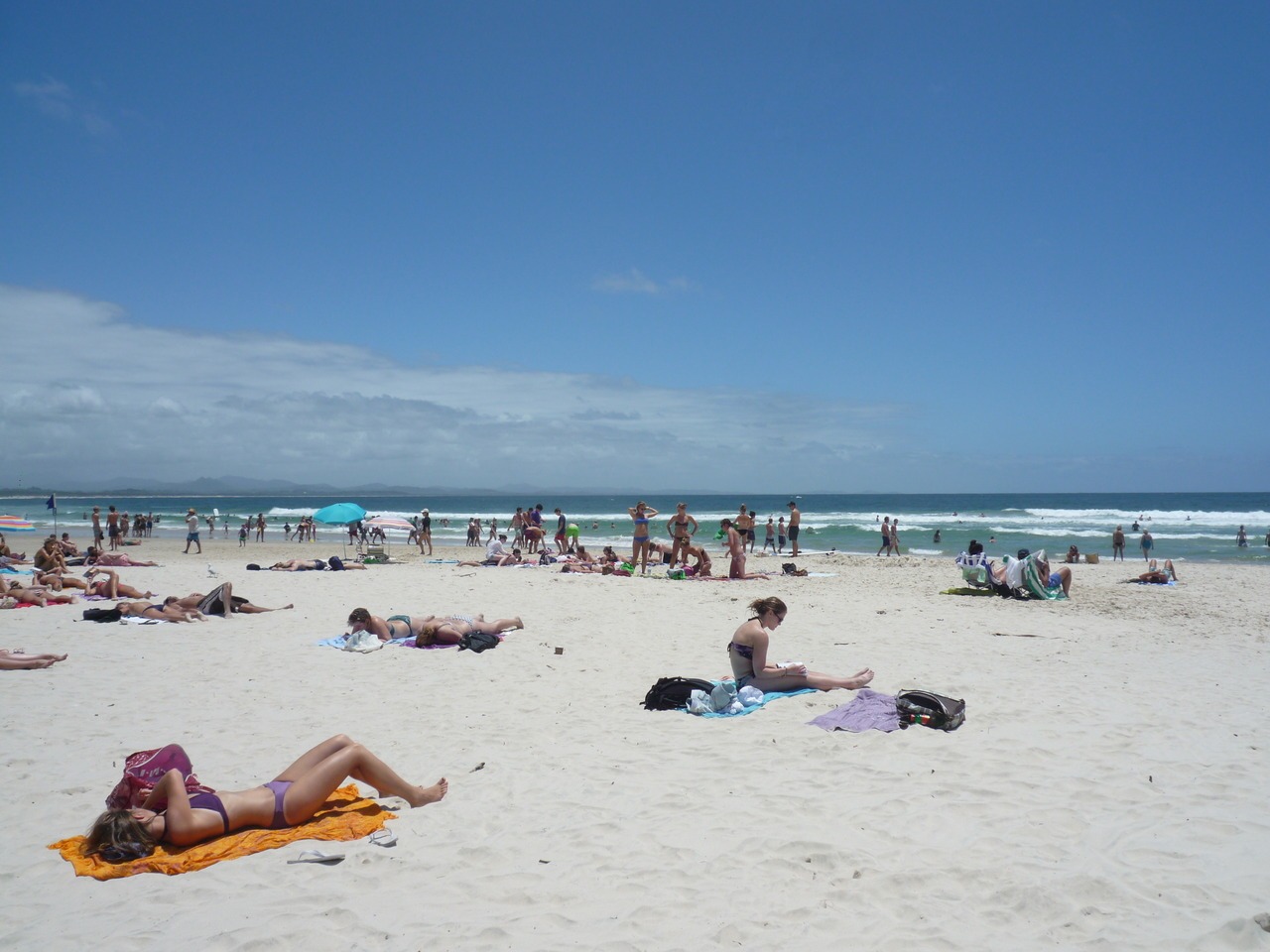
“Aaaaaahhhh… Now THIS is what I came for.”
(James, traveler from London, England, as we discovered Byron Bay’s beach on the first sunny day of our stay)
Because, yes, to be honest, I did not really come to Australia in summer to see floods. Especially on the East Coast, goddammit. It was supposed to be an endless stretch of white sand, bathed by a generous sun, covered with people with so much sunscreen that they would shine while humongous waves would crash with an incredible strength on the coast, sometimes with blond surfers on top of them.
And, finally, that was it.
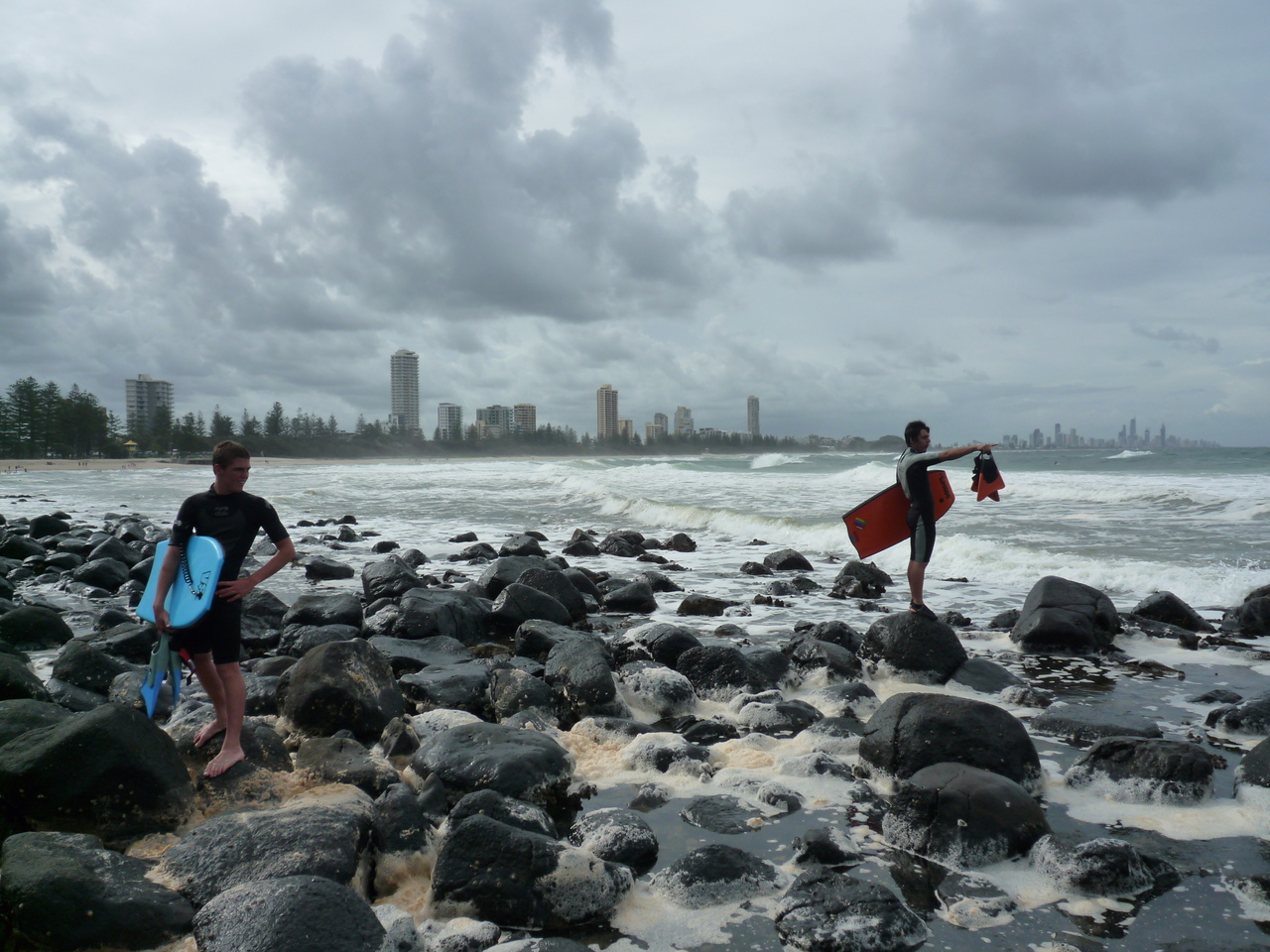
My last post about Malaysia was silent. I thought silence was a good way to express my grief about the hundreds of people dieing a few kilometers from me, trapped in the rubble of the Christchurch earthquake.
And then I thought I could do that as well for the next posts to save me the trouble and time of writing and laying out the page. I found myself choosing pictures.
And I told myself I had so much to say about them, about my travel, that pictures cannot express alone.
Words cannot either, but they help.
— This is Friday Coffee?
— Yeah!
— By Mango?
— Yeah!
— Remixed by Paul Keeley?
— Are you a DJ too?
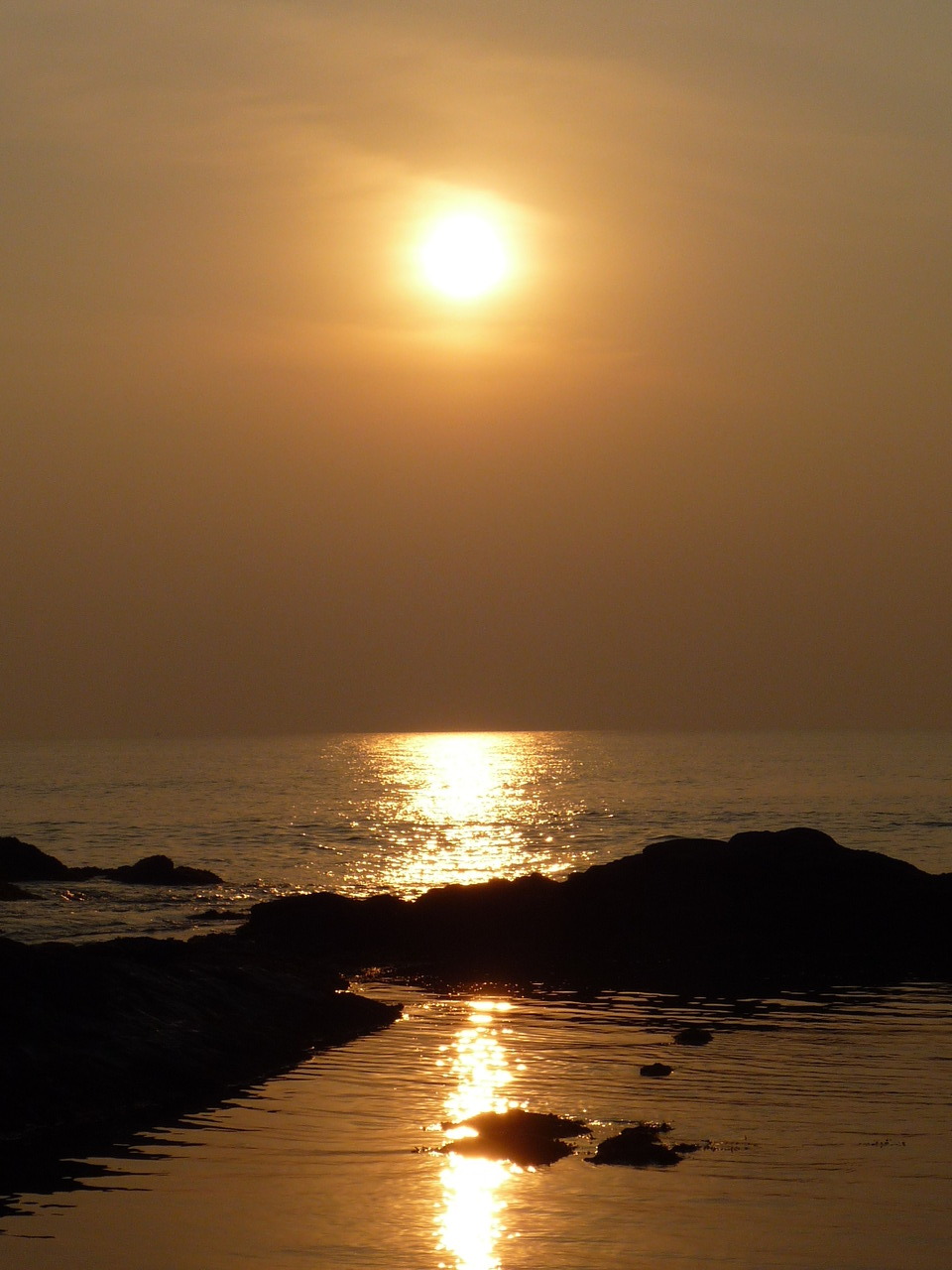
And then I realized. Yes, I really was in Anjuna Beach, this now worldwide-known trance scene (thanks to Above & Beyond and their label Anjunabeats) which used to be bustling with loads of illegal night-time trance parties. And yes, I was in Goa, this now worldwide-known province of India where the electronic genres of… goa and psytrance started, thanks to an incredible number of crazy Israeli tourists coming there to have a hell of a good time on those amazing beaches.
Obviously, they were not really the type of tourists you meet in resorts or five-star hotels. They were backpackers, with almost no money but an incredible energy and no need for comfort. I, too, thought I was one, but really, I think India still lowered my comfort standards. Good thing I went there, I guess.
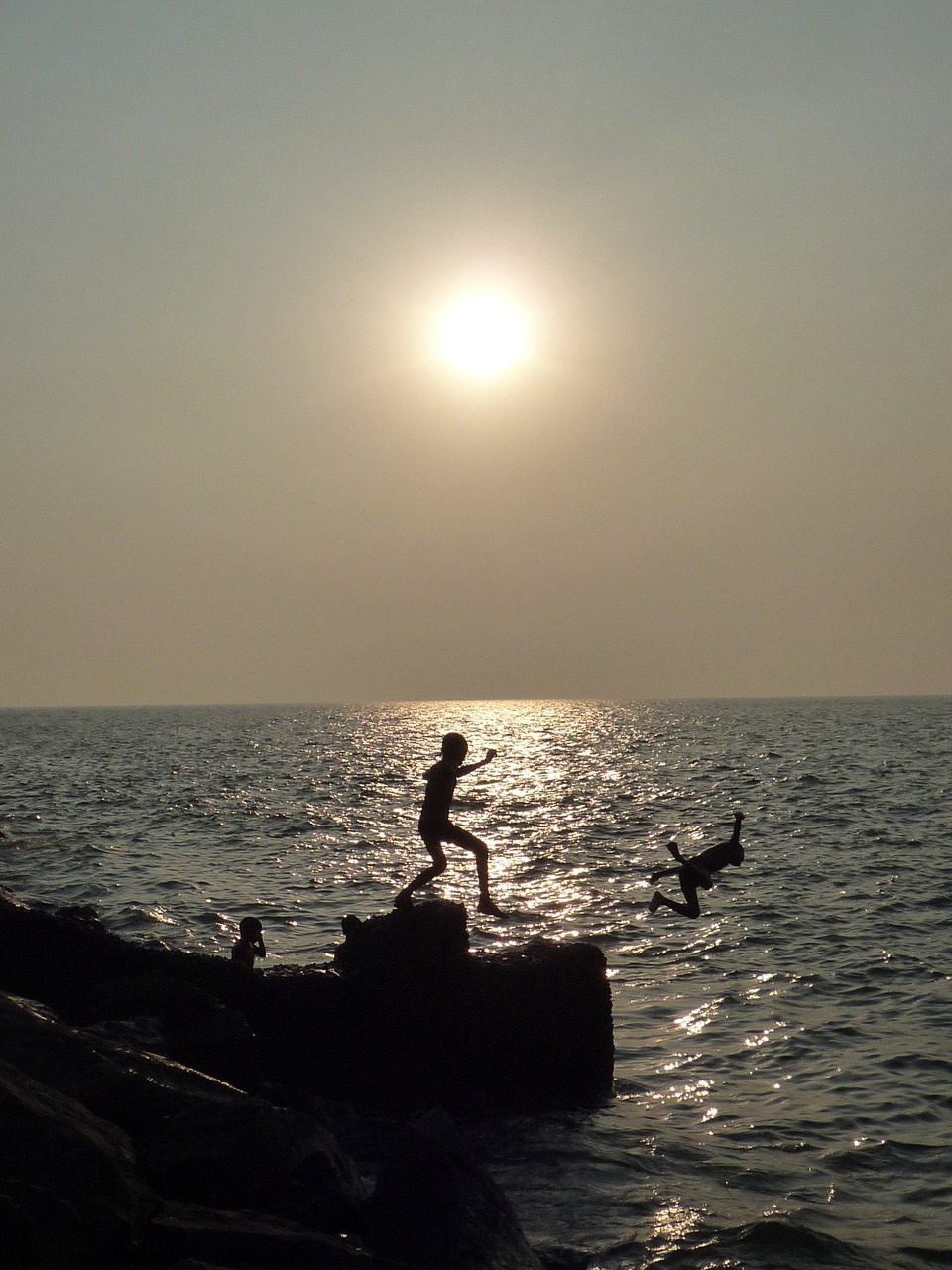
The ultimately free man is the Wise man, but he’s lonely.
(Tristan Raoult)
Now that I think about it, India was my first real lone backpacking experience. Not that I was alone, no; I met a lot of people, friendly or unfriendly, travelers or locals, backpackers or foreign students, in hostels, restaurants, streets, buses or even train stations. But I was always traveling alone. My itinerary was only mine, and when I had to part from new friends, I did.
Maybe it was because of the short length of my stay (only three weeks; I will have to come back, and this time for a few months, eh) which forced me to rush to my destinations at all costs – missing my flight from Delhi was not an option, and staying for too long in one place neither – and made impossible for me to follow other travelers. I did my best to visit the most of India I physically and mentally could, having unfortunately to rest at some places because of my weak human condition.
And yes, I felt free. Not free like we, the Donkeys, were back on the highway in Jordan. I felt free because every morning, when I woke up, I could decide what I would do, where I would go, how to do it, without talking to anyone, without having to explain it to anybody, taking my own decisions based upon my own criteria. I could go to uncomfortable, dirty or even scary places without involving anyone else. I could try the risky Indian street food without being a burden to other people if I would get sick. I could bear a heavy travel schedule (sometimes only one or two nights per location, when I was not sleeping in a bus or train) without making people suffer from its fast pace. To put in a nutshell, when I had hard times, I faced them alone, without making anyone suffer around me.
But yes, sometimes, I also did feel lonely. Because no one was here to share the wonders, joys and beauties of the places I saw, no one was here to share my excitation about moving, traveling, discovering this incredible country. No one was there to watch my back, too; it is not a big news that lone travelers are easier preys for thieves, muggers, swindlers, con artists or even just touts.
If being lonely is the price of being free, I guess at least it also made me stronger.