There is nothing like returning to a place that remains unchanged
to find ways in which you yourself have altered.
— Nelson Mandela
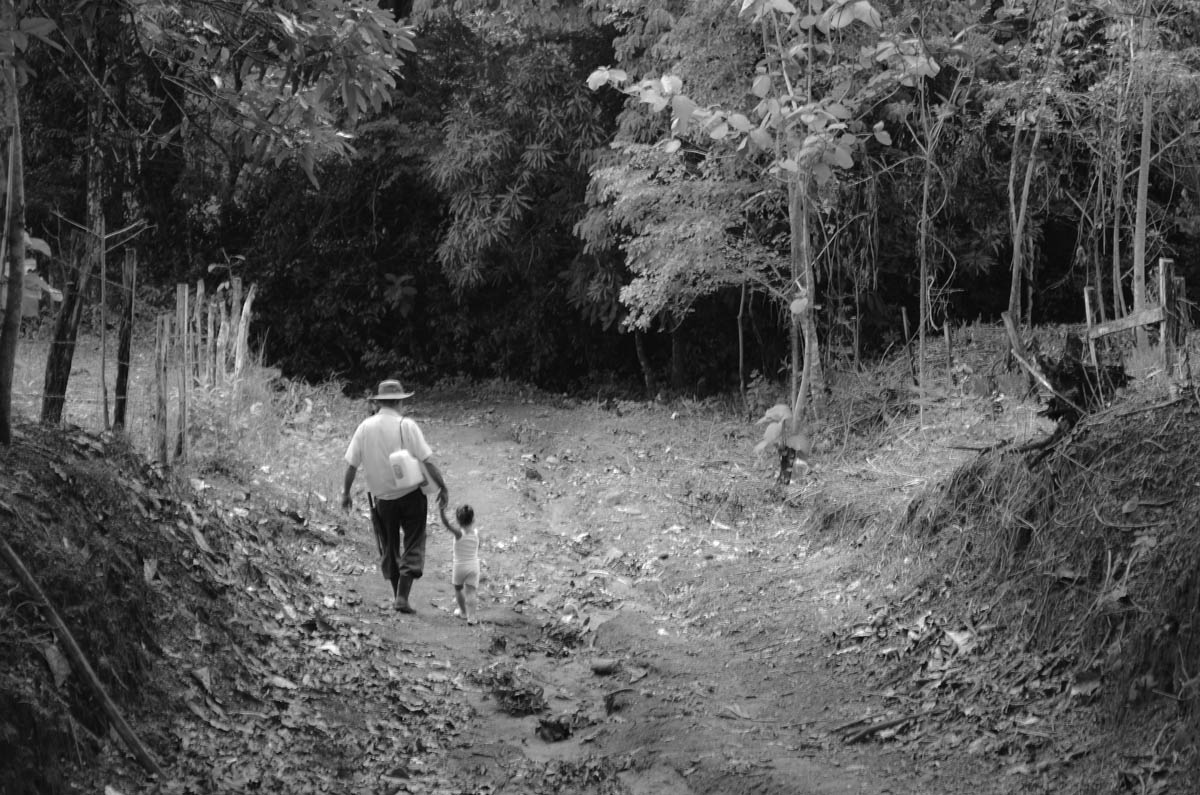
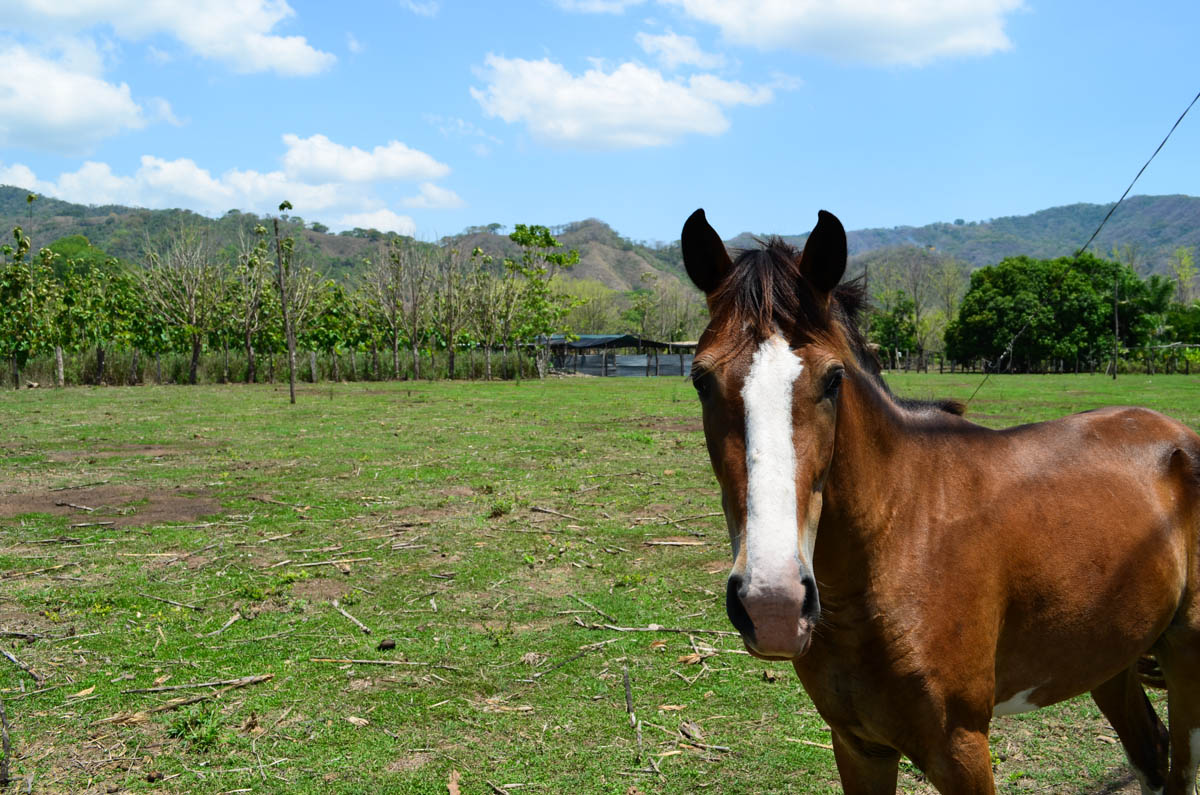
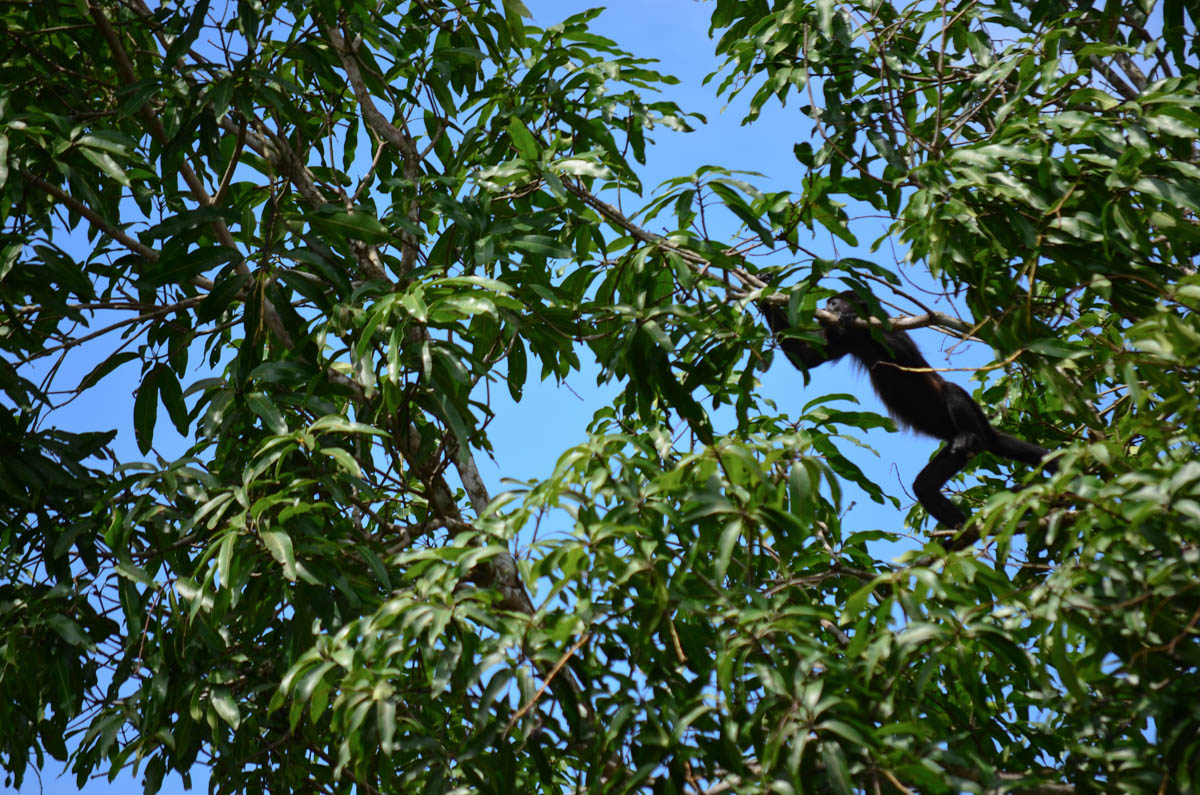
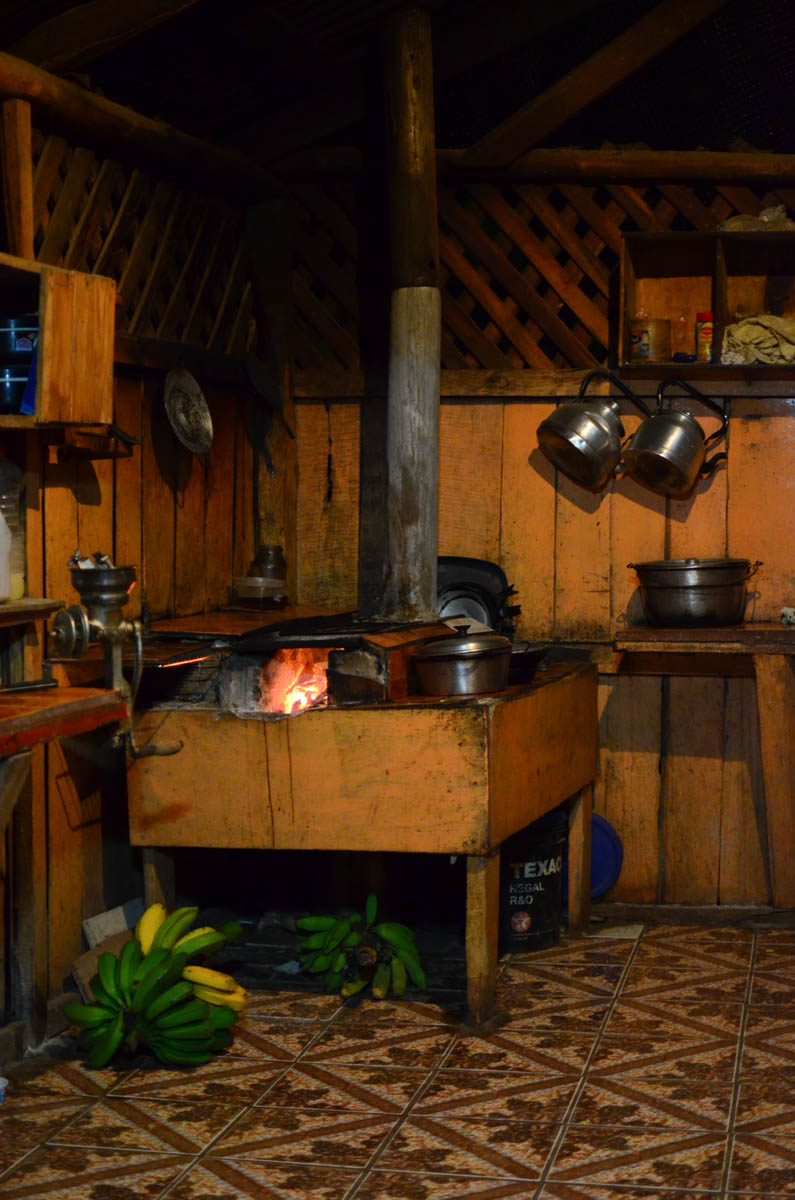
The smells are still the same: the smoke from the burning fire in the kitchen, the steaming dark Costa Rican coffee in the mug, the scent of the dogs and of the horses in the garden.
The sounds are still the same: a rooster crows, a dog barks, Angela shouts unintelligibly at Macha’s house, Rigo hammers a nail in a log, the telecaster babbles along though nobody watches.
The earth is still mercilessly scorched by the sun. No wind stirs. There is no escaping from the heat.
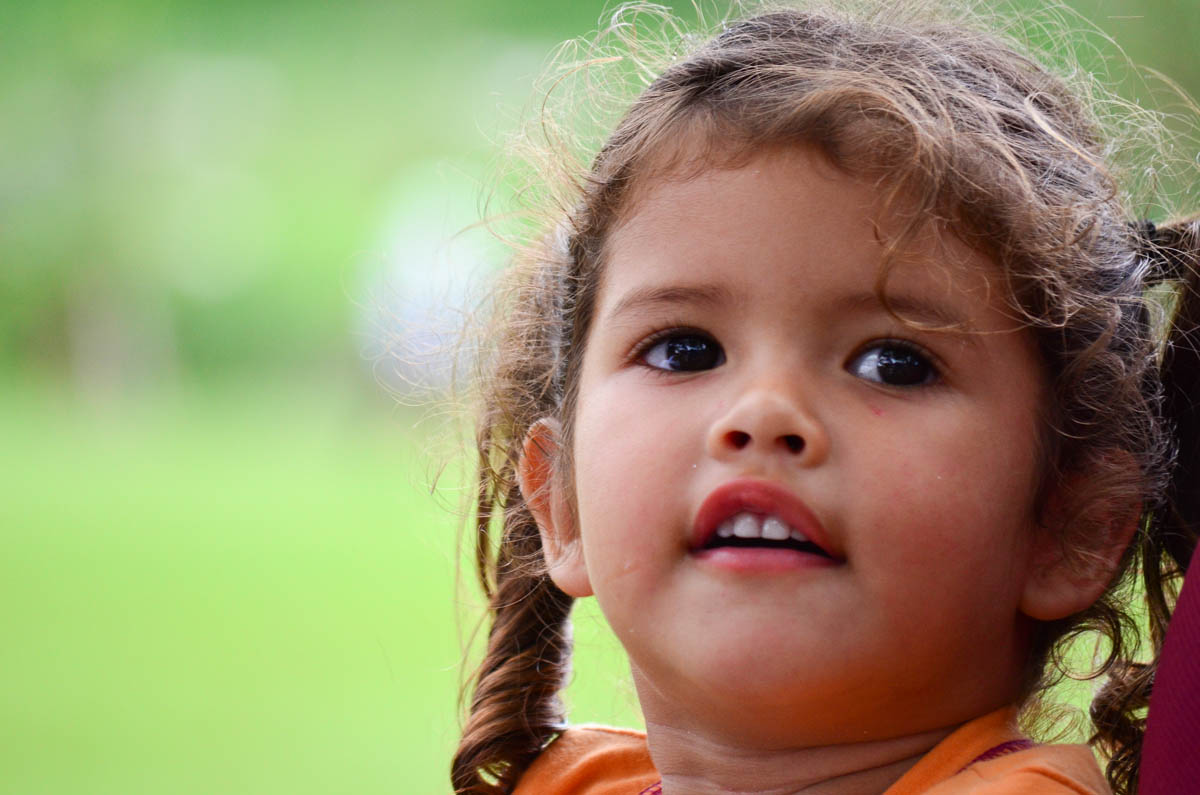
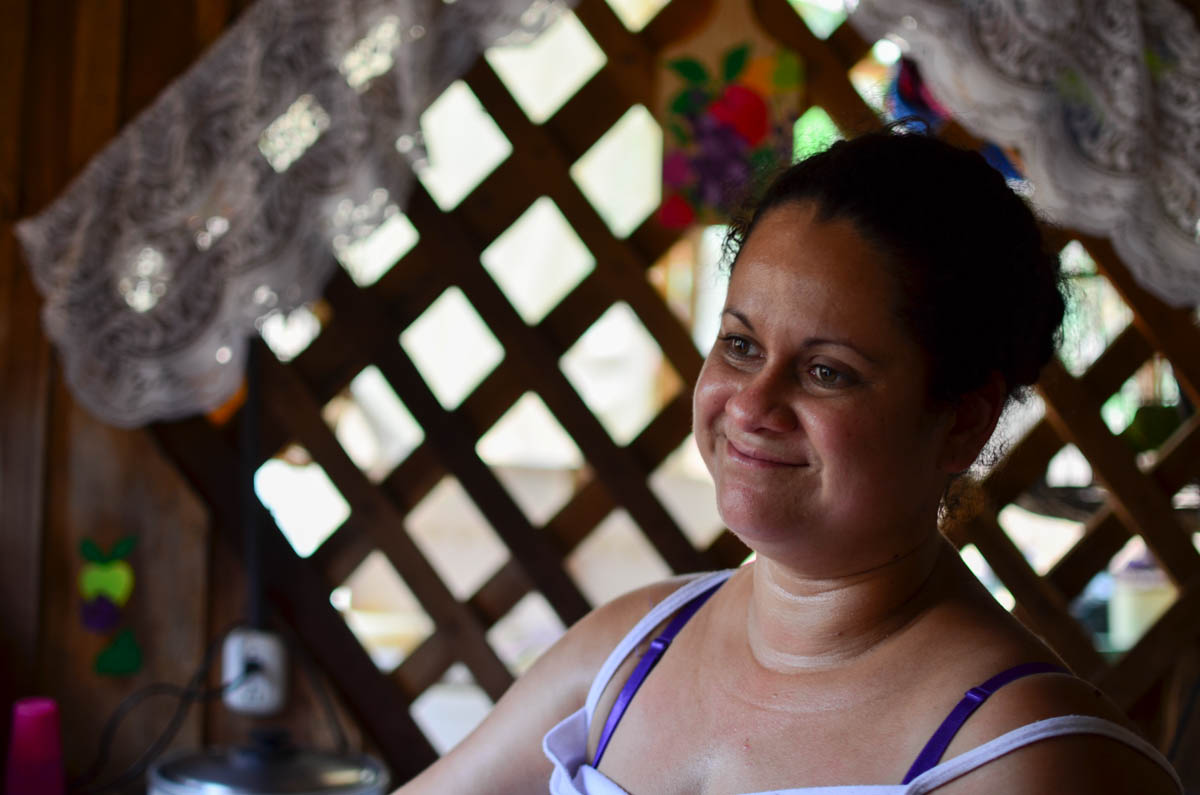
Everything is just as I remembered it — Montaña Grande, a small village lost amidst the lush hills on the Península de Nicoya, where I lived in 2008 during three months while volunteering at the local school, has not changed at all. Admittedly, the family has grown bigger: Kerlyn’s two-year-old daughter Tracy Priscilla delights everyone from great-grandparents to aunts; husbands have joined Macha and Jesy in their new homes; Lolo has moved out to live in Jicaral with his wife and two sons. That is as much change as has come over the family. The Ovares are thriving and I am more than glad to see that they are enjoying life, like they always had, as the national slogan promotes: ¡Pura vida!
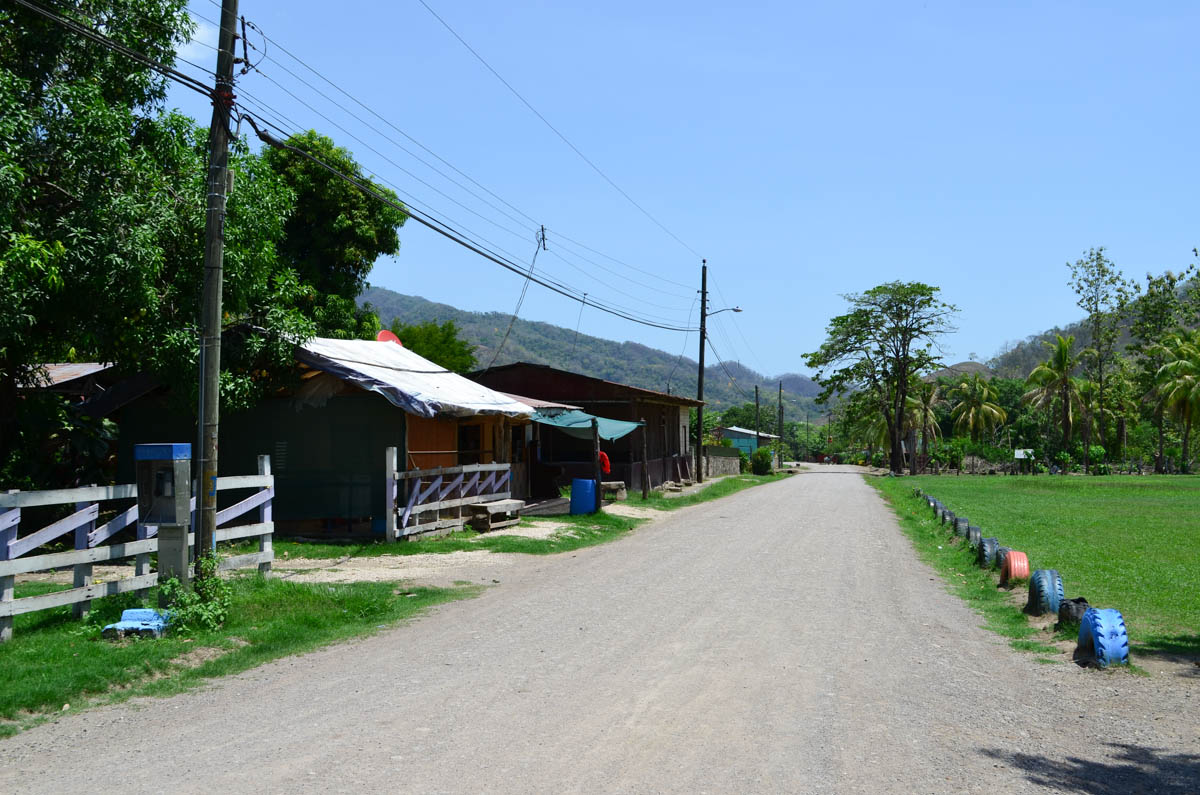
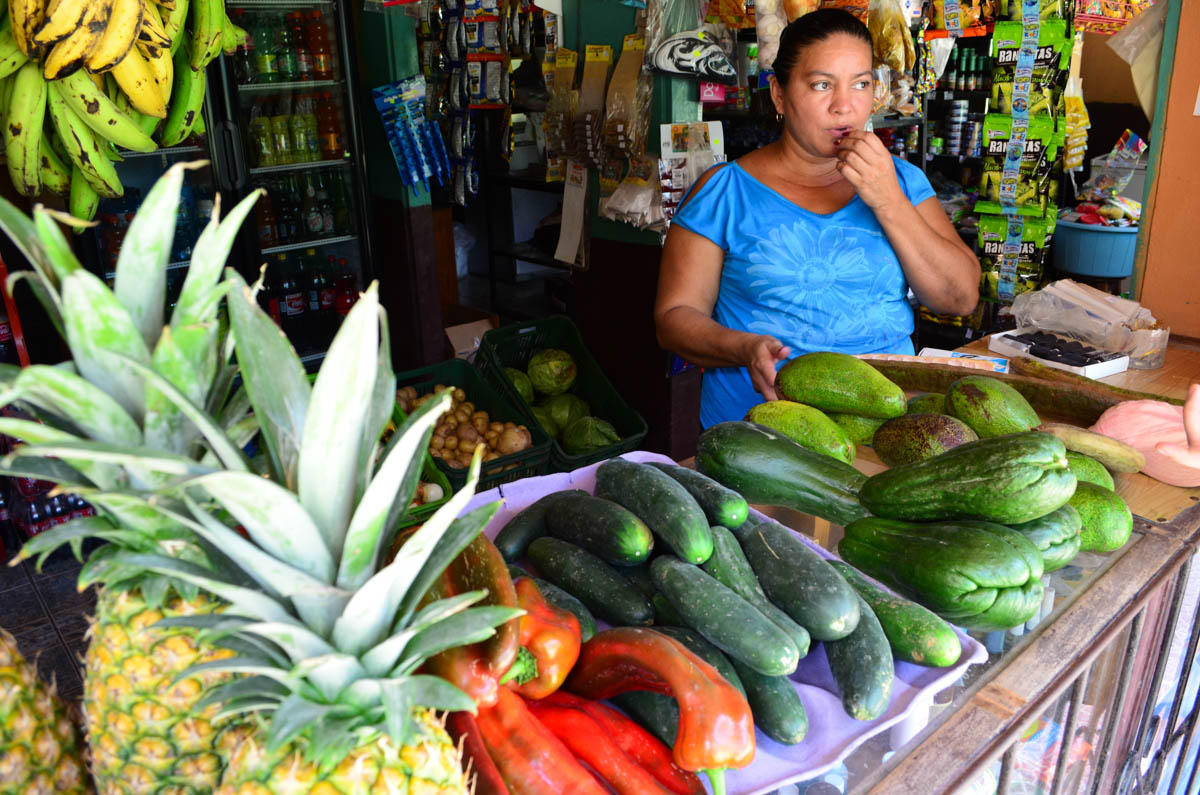
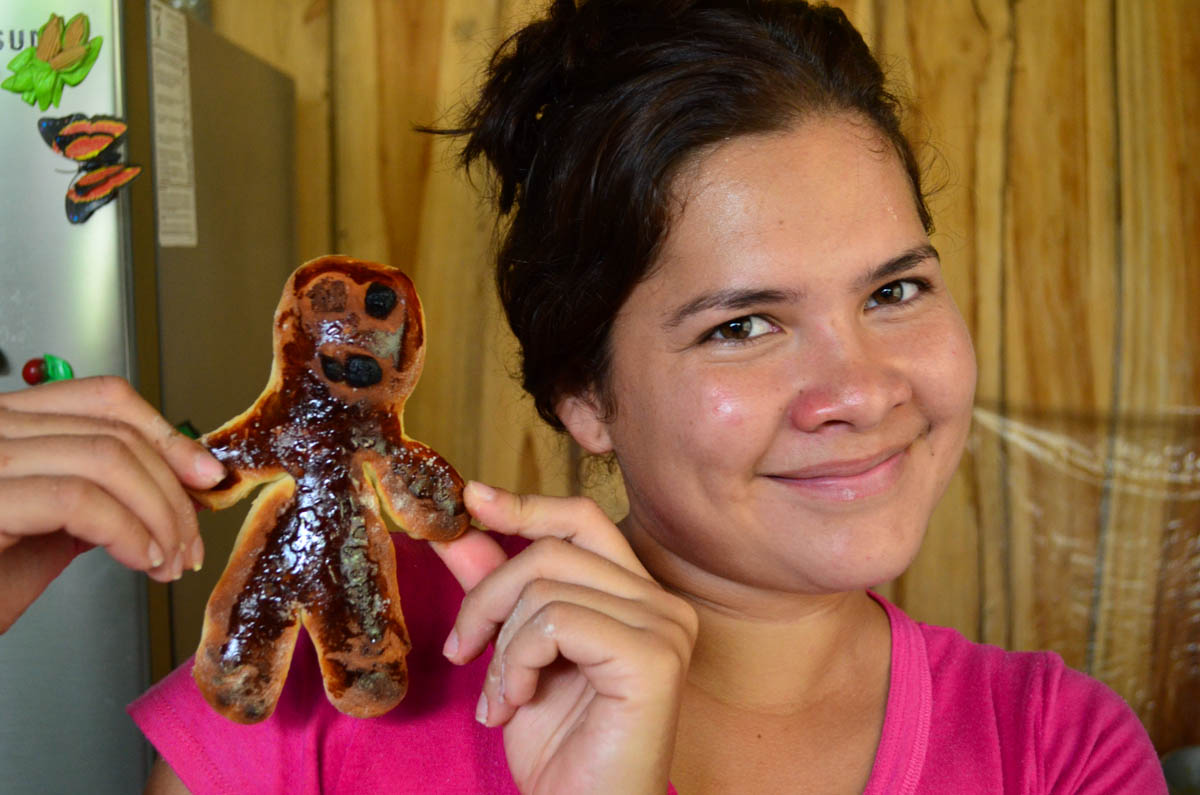
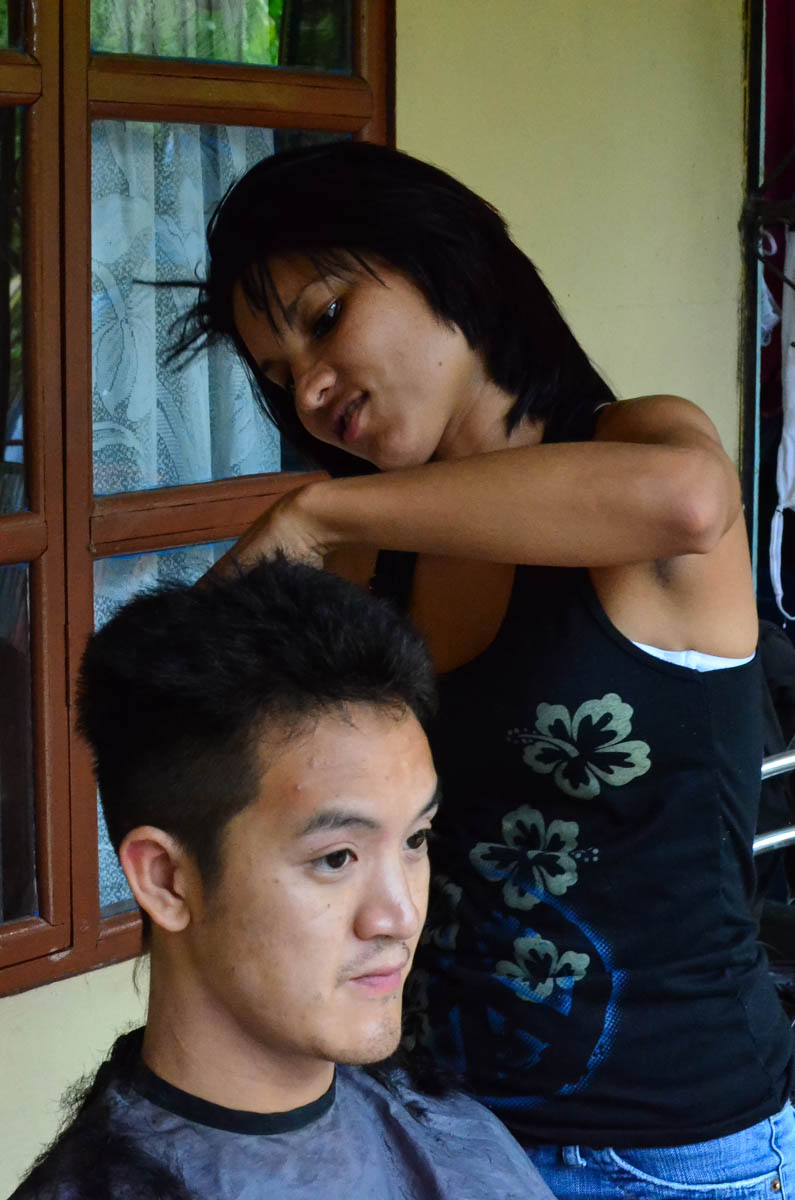
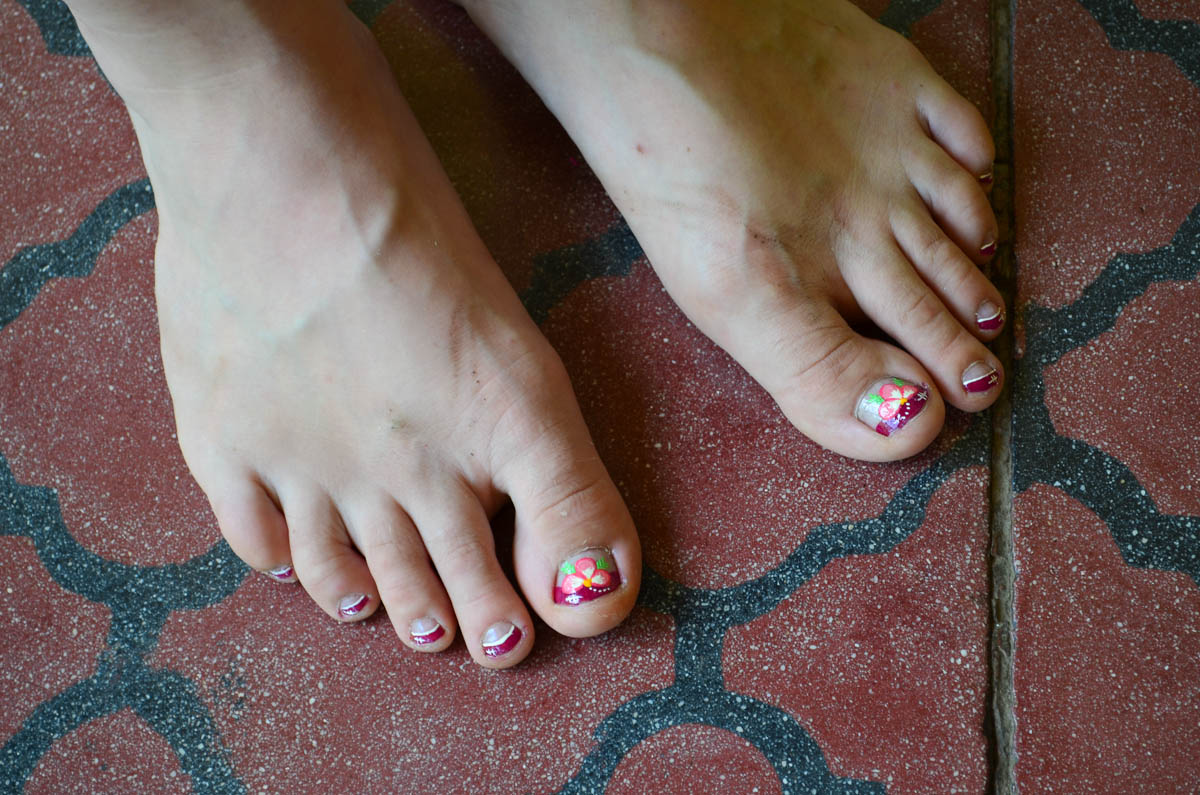
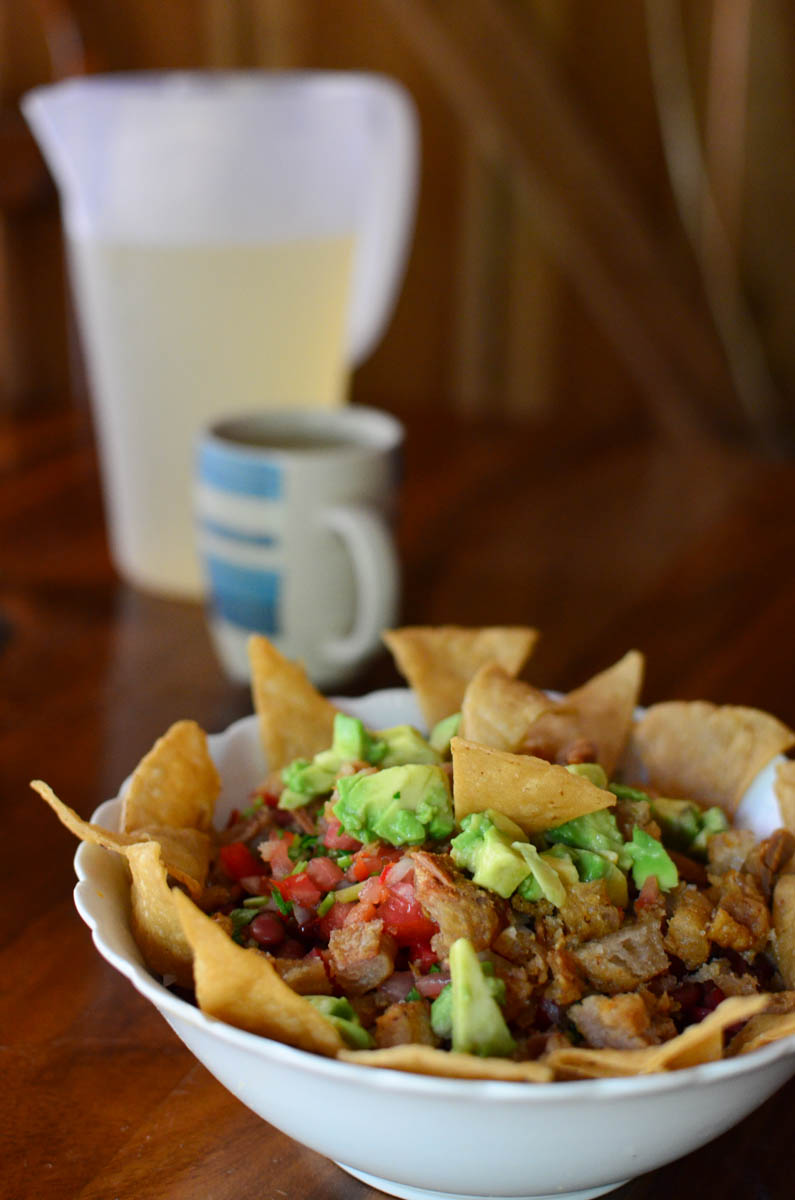
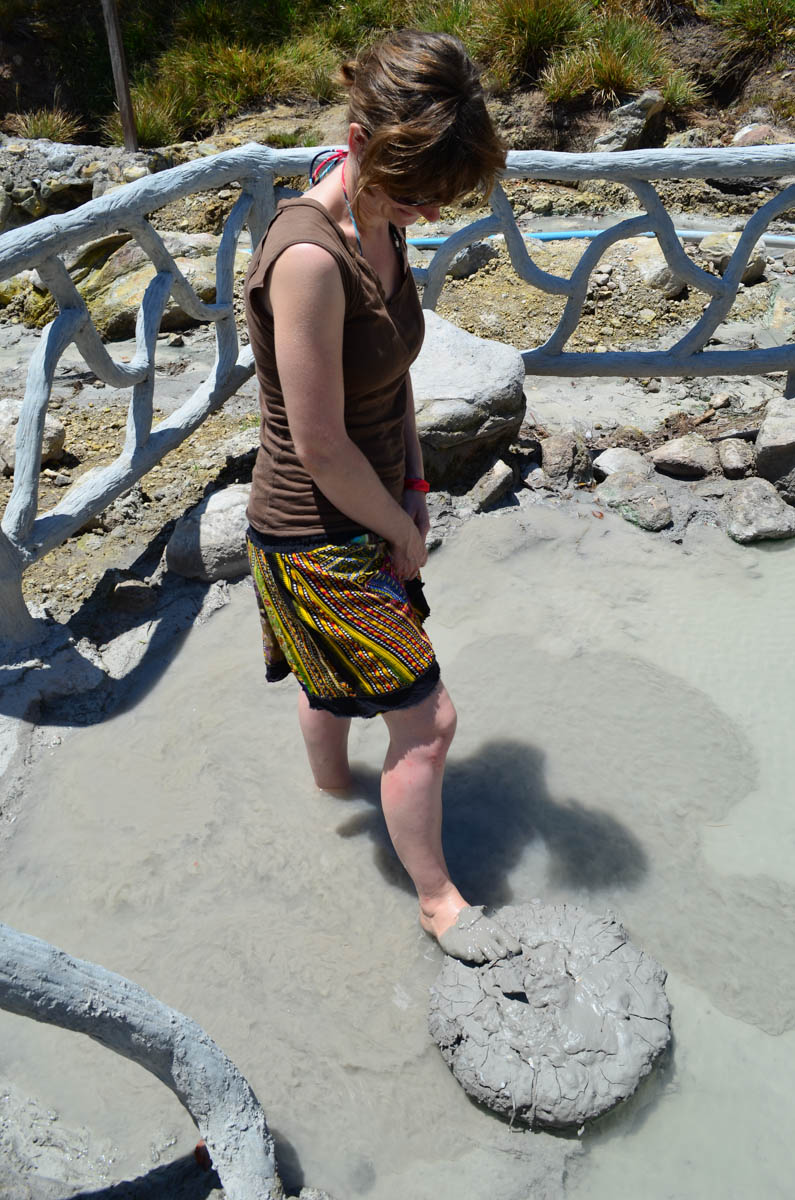
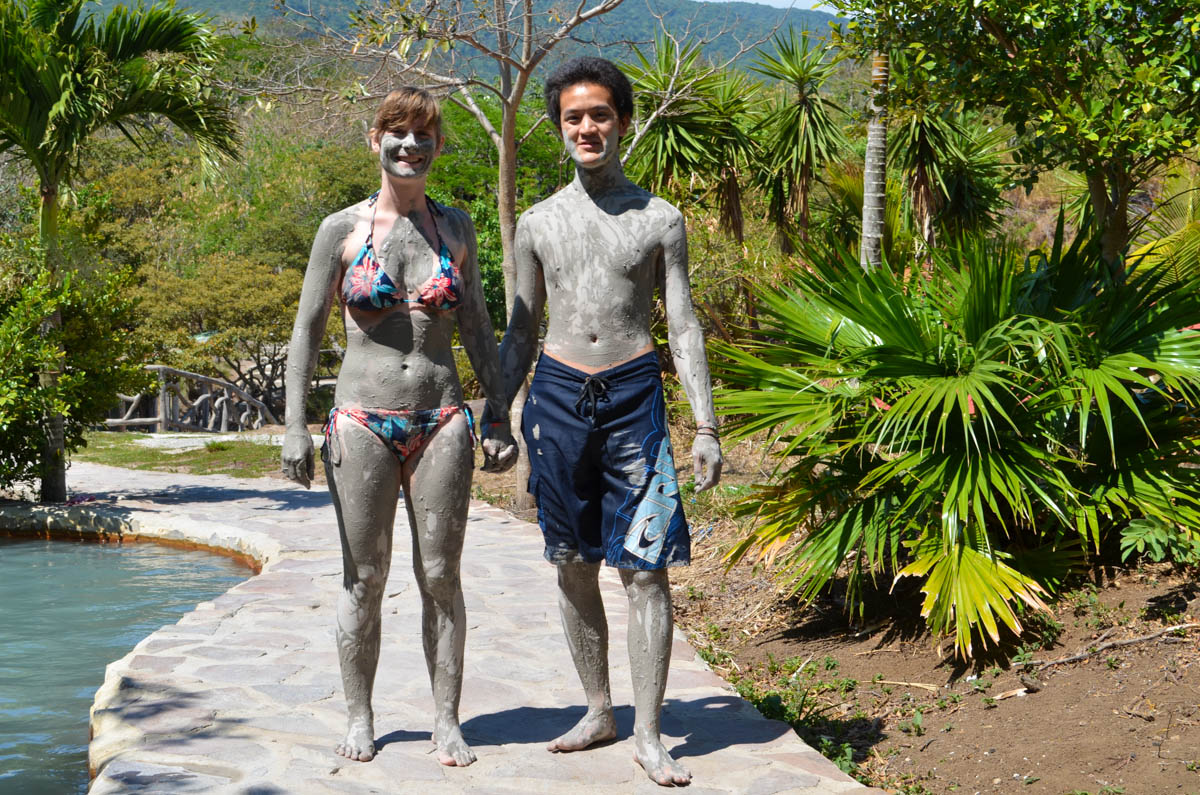
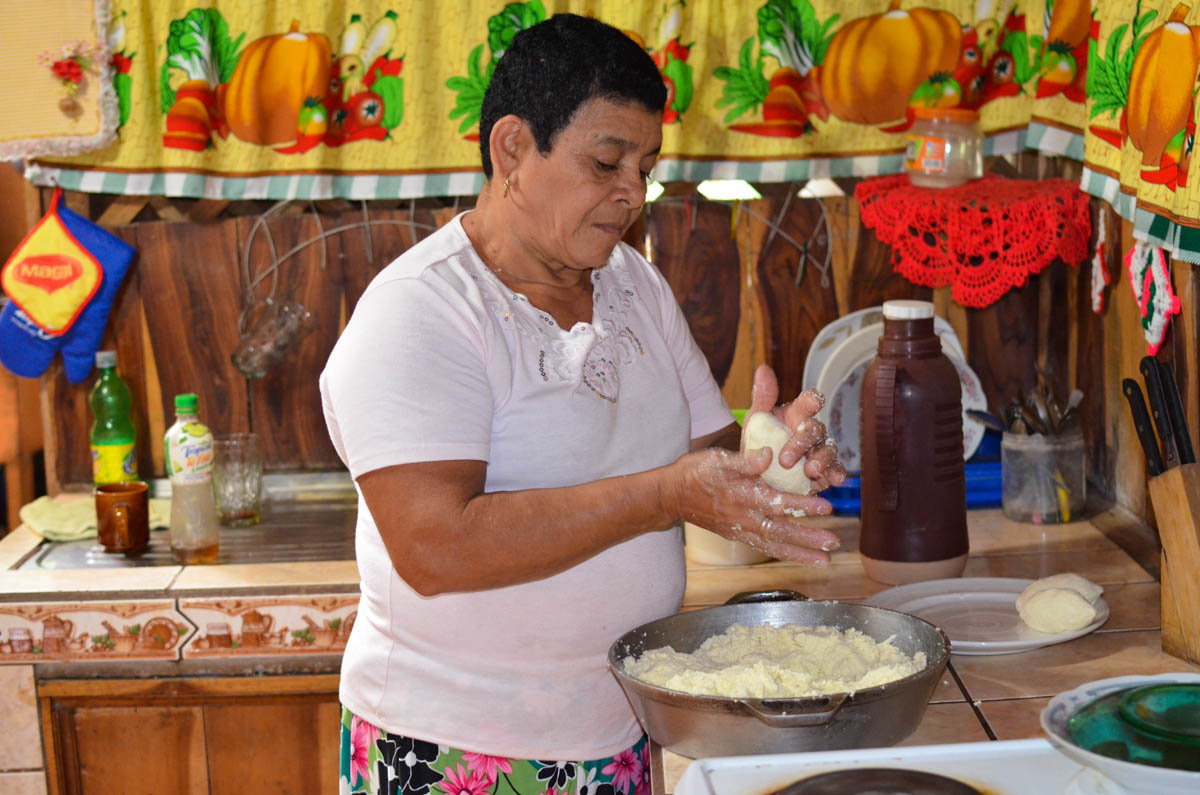
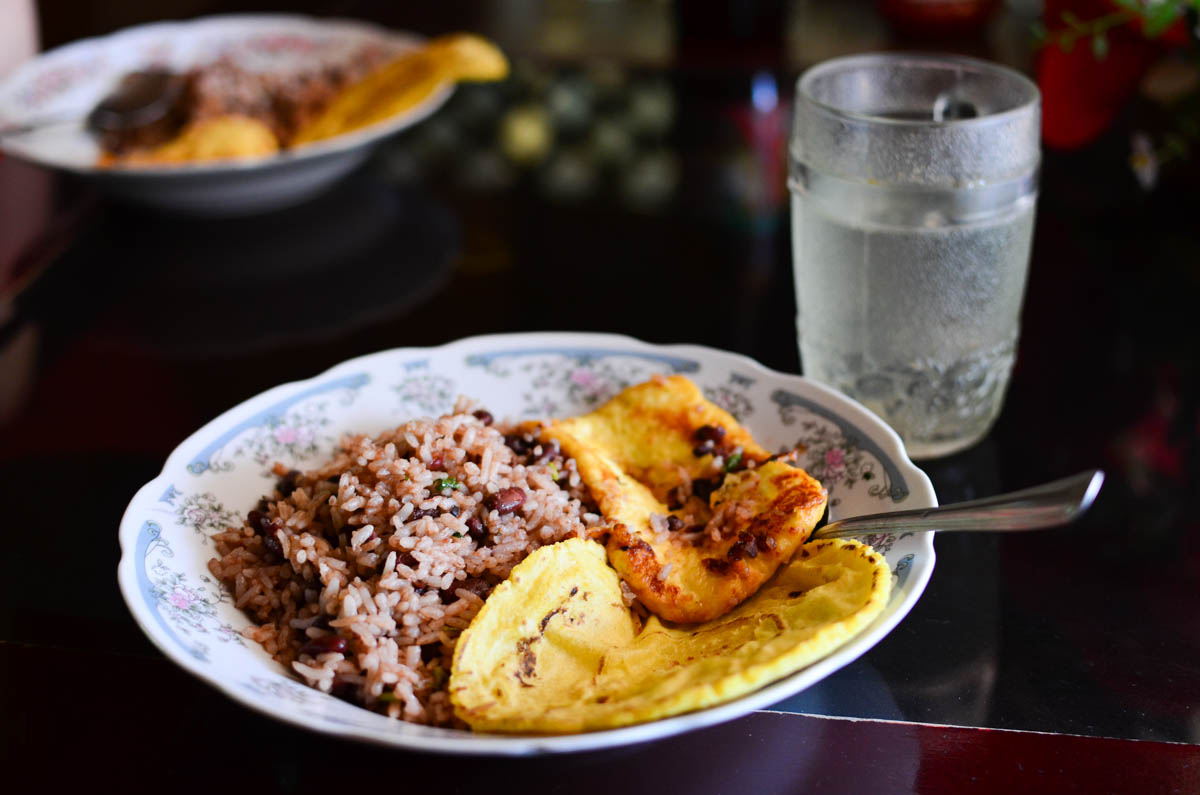
Every time I come to Montaña, we — that is to say Kerlyn, Cote and myself — have our “rituals” together, such as making patacones (patties of fried green plantain), baking hombrecitos (better known as Grättimänner in Swiss German), painting toe nails or fussing with my hair — which is why, this time, I end up with a chocolate/coffee coloration. Meanwhile, Macha even introduces us to a few new dishes when she invited us to her home, and Jesy takes us out on a visit to natural springs at the foot of a volcano.
Those initial efforts we appreciated very much and they are how we will remember Montaña for this trip. But after the first few days, monotony settled in, leaving us to our books, games and food. We became nearly invisible, as the wheel of the family’s regular life kept turning as if we had never disturbed it.
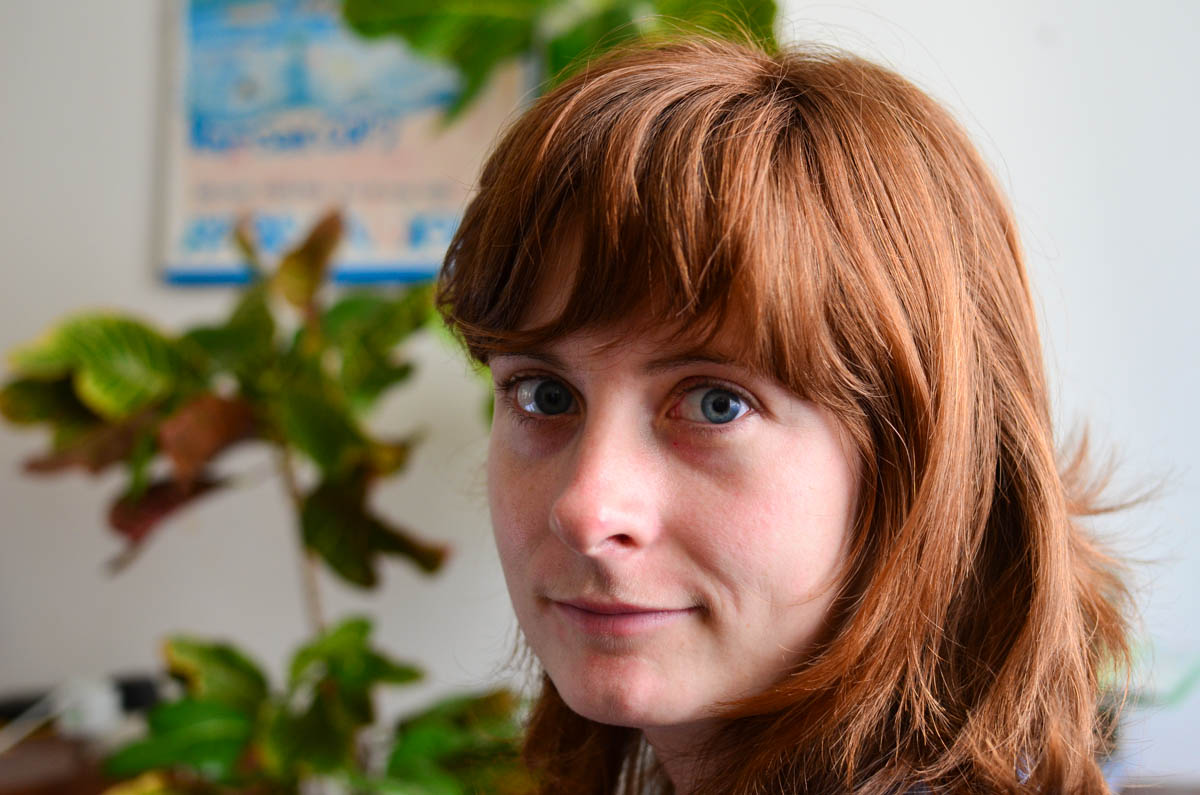
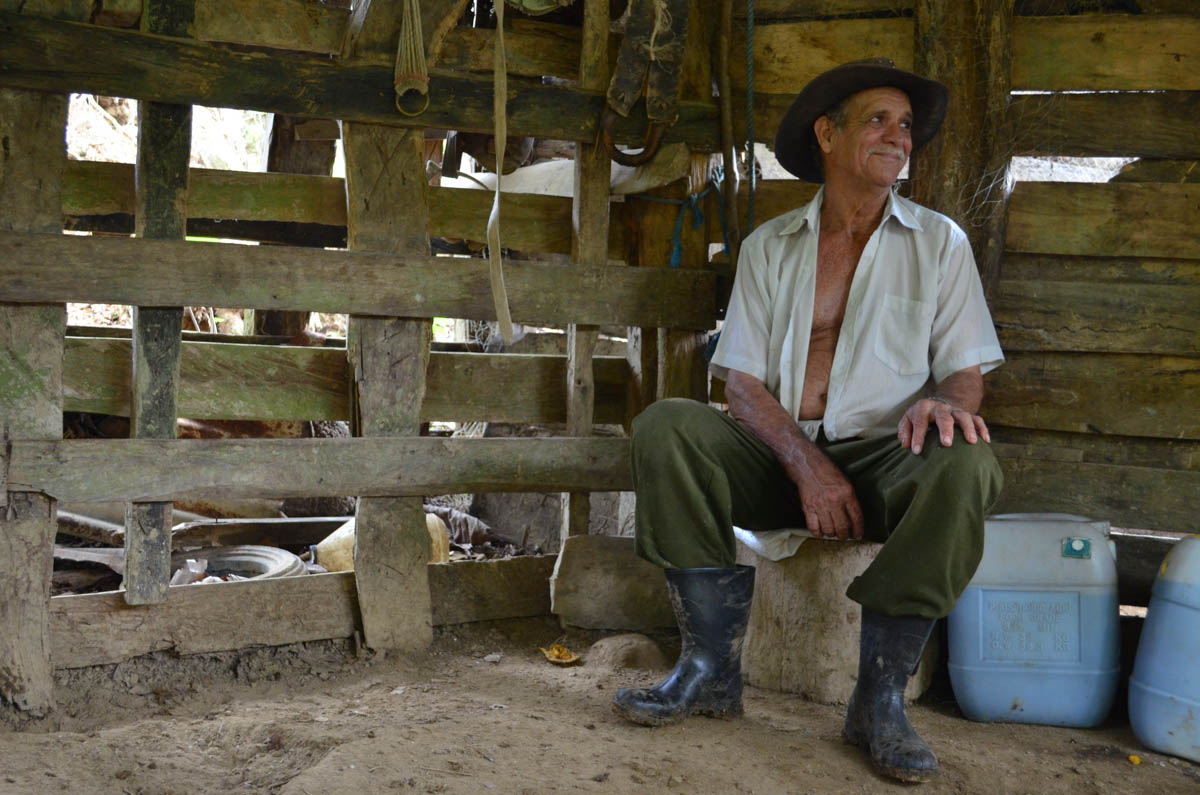
I feel, as I show José around my village and present him to my friends, that this world has become tinier than I recalled. Conversations remain very superficial; those people and I have gone different ways, our worlds are too far apart to find common topics. I guess I grew weary of telling them about the weather in Switzerland, my family in Basel or the length of my stay in Costa Rica. And the motivation I had during the former visits — conversing and practicing my Spanish — is no longer relevant today, for my language skills have moved to another level.
For me, going back to Montaña after almost five years shows how much I have changed since the past two visits. I am not anymore the girl who has just finished school and left Switzerland on her own for the first time in her life, enchanted by all the things this new, exotic world would offer her. Neither am I the gringa who barely speaks a word of Spanish, who is charmed by the sweet words of the Latinos or delighed by the beats of reggaeton, anymore. My pupils, lovely little rascals all those years back, have grown into adolescents, profoundly and exclusively interested by the opposite sex, football and make-up. The changes I have gone through might not be as visible as theirs; nonetheless they have come over me.
Studying in Lausanne, managing a home of my own, being with José, cherishing a dream — this round-the-world trip — and fulfilling it made me stronger and more aware of Life as a whole. There is so much to discover and to achieve that one lifetime will never be enough to sate me. Part of the dullness I begin to feel, the longer we stay in Montaña, is the routine of everyday life, this sensation that my foster family just waits for the day to pass, complaining about the heat and waiting for it to go away in the evening, only to rise again in the morning and start anew. They have no further goals than to eat, watch telly, chat or sleep. However, they are content. Blaming their lack of money, they often made envious comments about our wealth. Of course, we have a larger fortune than, for example, Jesy or Macha; but this is, at least partly, due to the fact that they do not care to save more money or to work as hard as we did during a long period. I was often annoyed by their comments, for their reasoning was not sound. Should I fault them for not having dreams, for not knowing that there is something else out there on our beautiful planet, which is worth struggling for? It is a choice each and everyone of us has to make on his or her own. I, for my part, feel too suffocated in this secluded, basic environment.
The days on end spent hanging around in the hammock, or the wooden chairs of the terrace, leave me with a lot of time to ponder and to feel that my time in this place has run out. I do not fit in Montaña anymore and I do not regret it. My good memories of this village belong to another era, and those I will cherish in my heart.