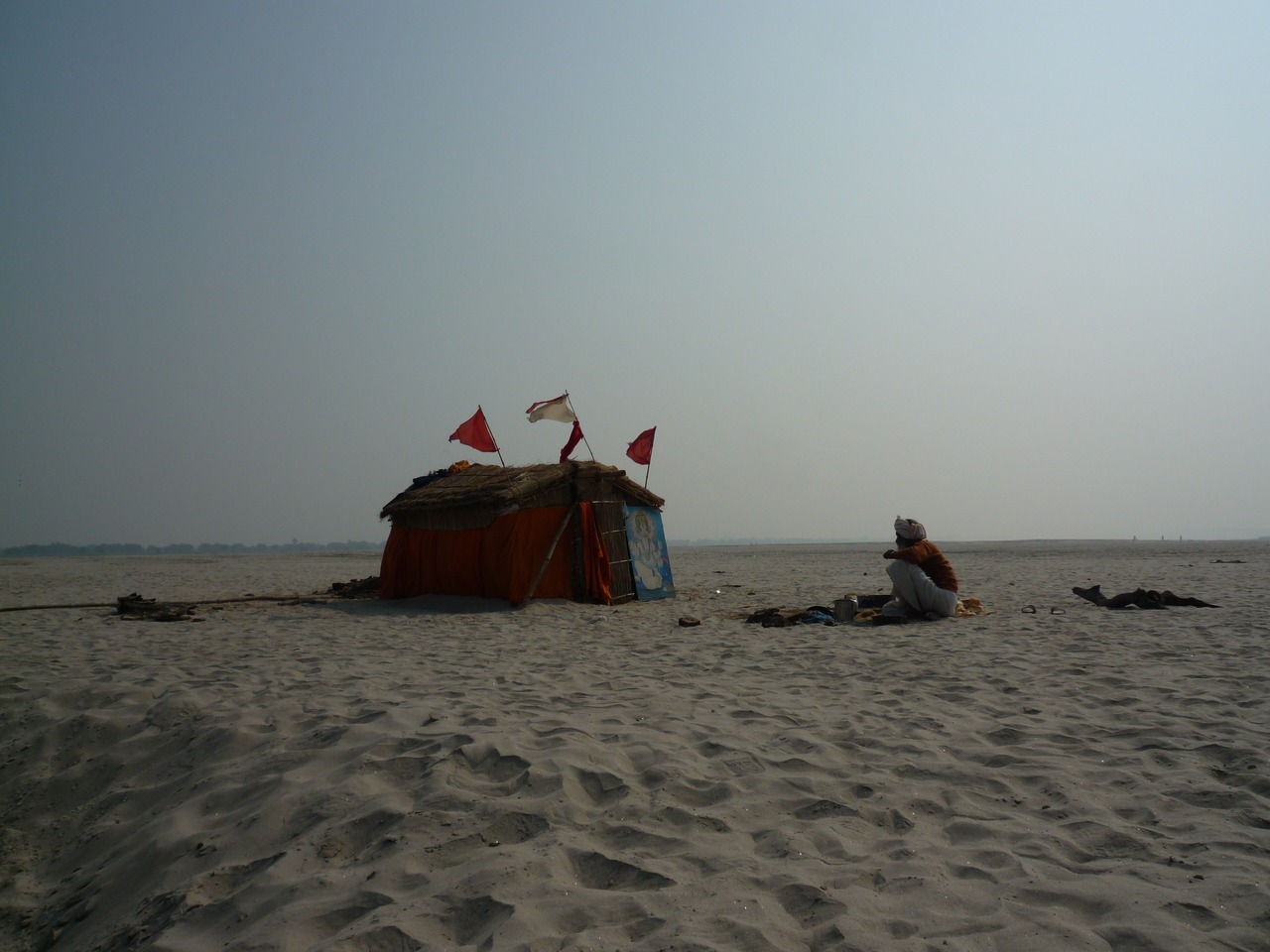
“Are you gonna take a bath in the Ganges river?”
“I don’t know. Maybe, yeah.”
“You’re not actually really thinking about doing it, right?” asks his girlfriend.
“Well, it’s a once in a lifetime experience. Ahhh… I have a few cuts though.”
I did not do it. I had a few cuts.
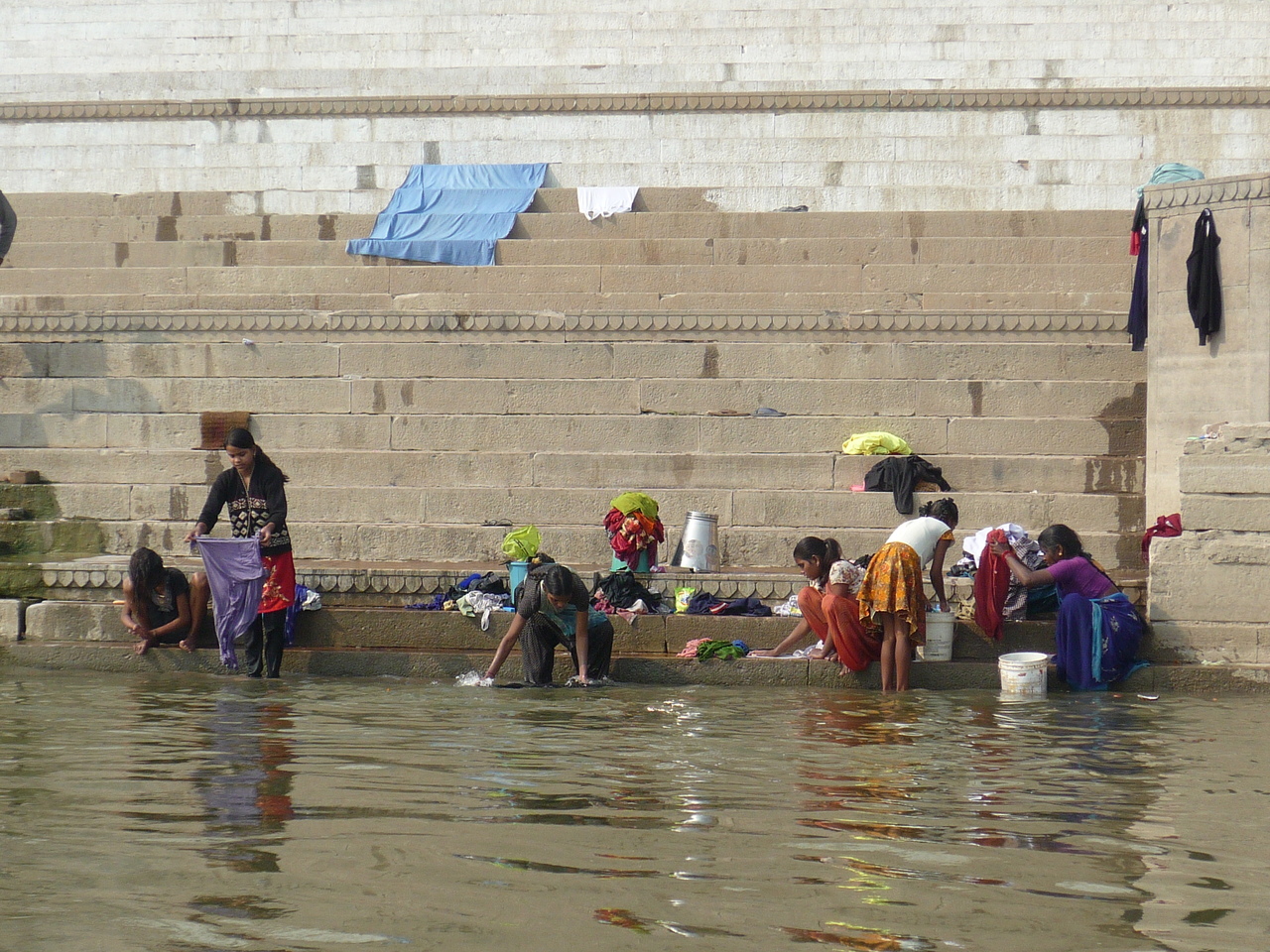
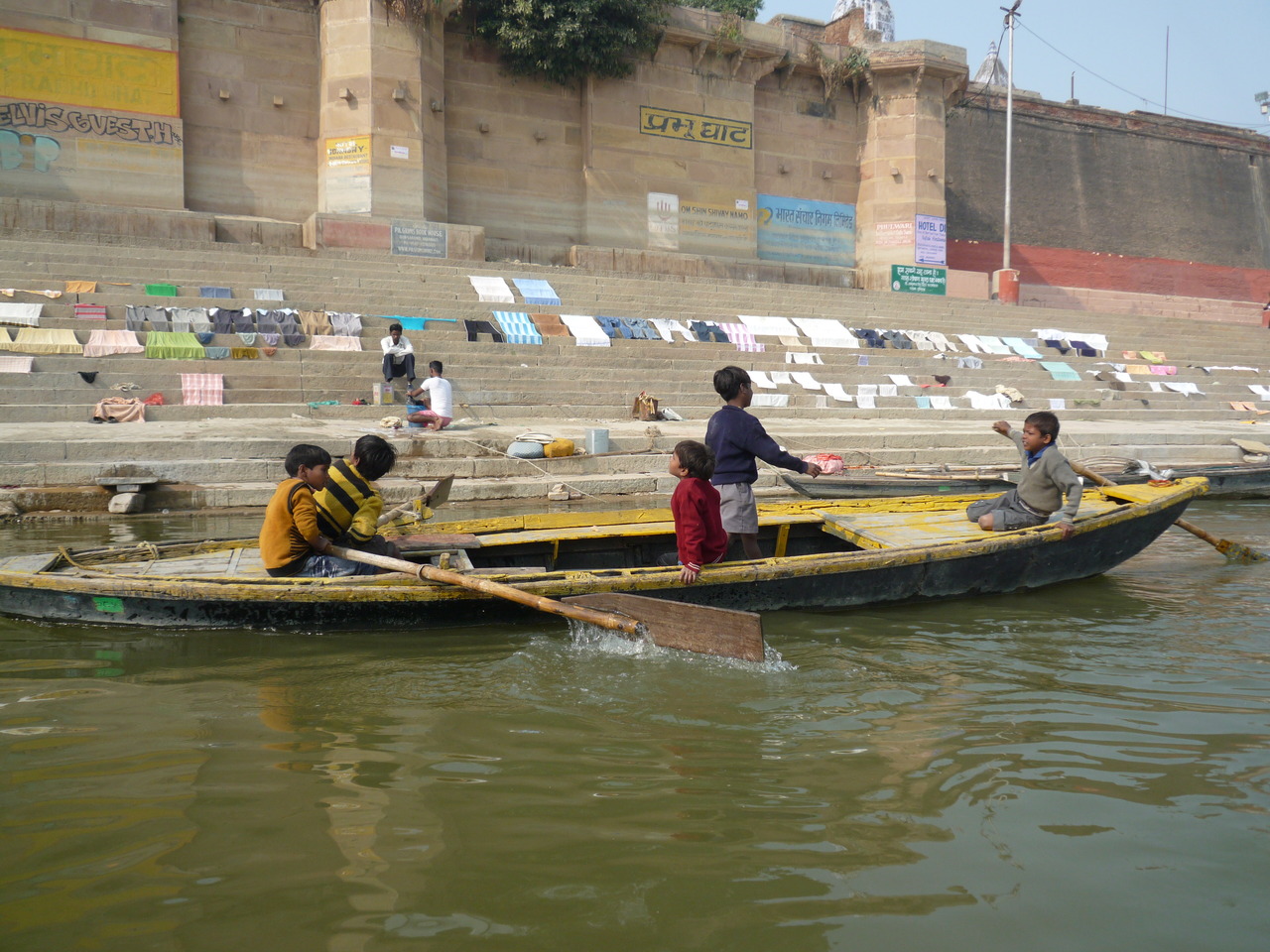
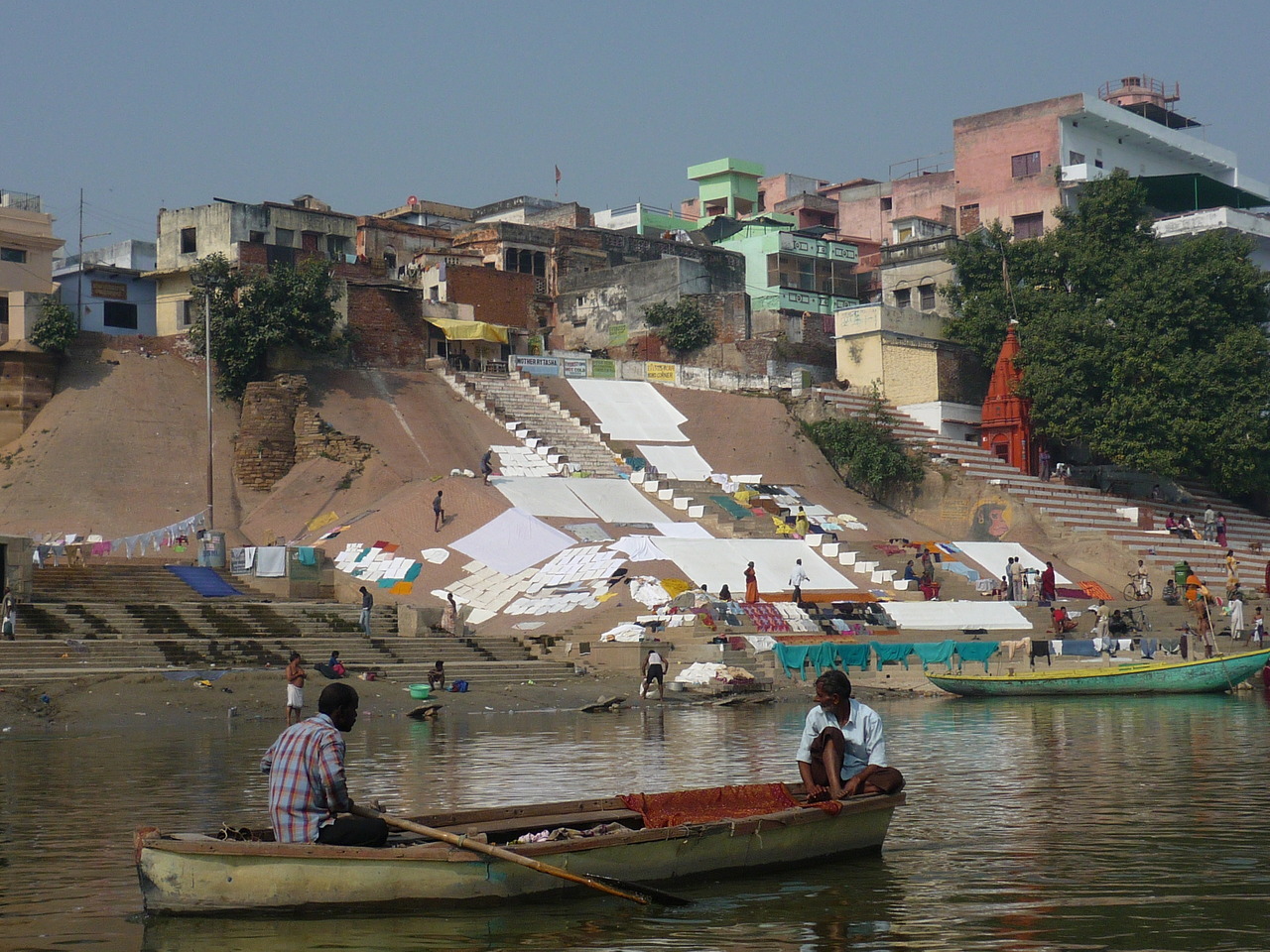
A few cuts is enough to get you quickly infected by the dirty (and when a backpacker tells you something is dirty, you can trust him. It actually is dirty.) water of the Ganges. It has something like several million times the maximum number of faecal bacteria per litre allowed for a waterpoint to be declared safe for swimming. The Ganges is literaly the sewer of all the towns it passes through (without any treatment before dumping the waste water in it of course) – and their garbage bin as well. They wash their clothes with its water. They cremate bodies and disperse the ashes of the ceremonies in it – you can even sometimes see bodies floating around; I unfortunately did not see any. Well, only of a few animals.
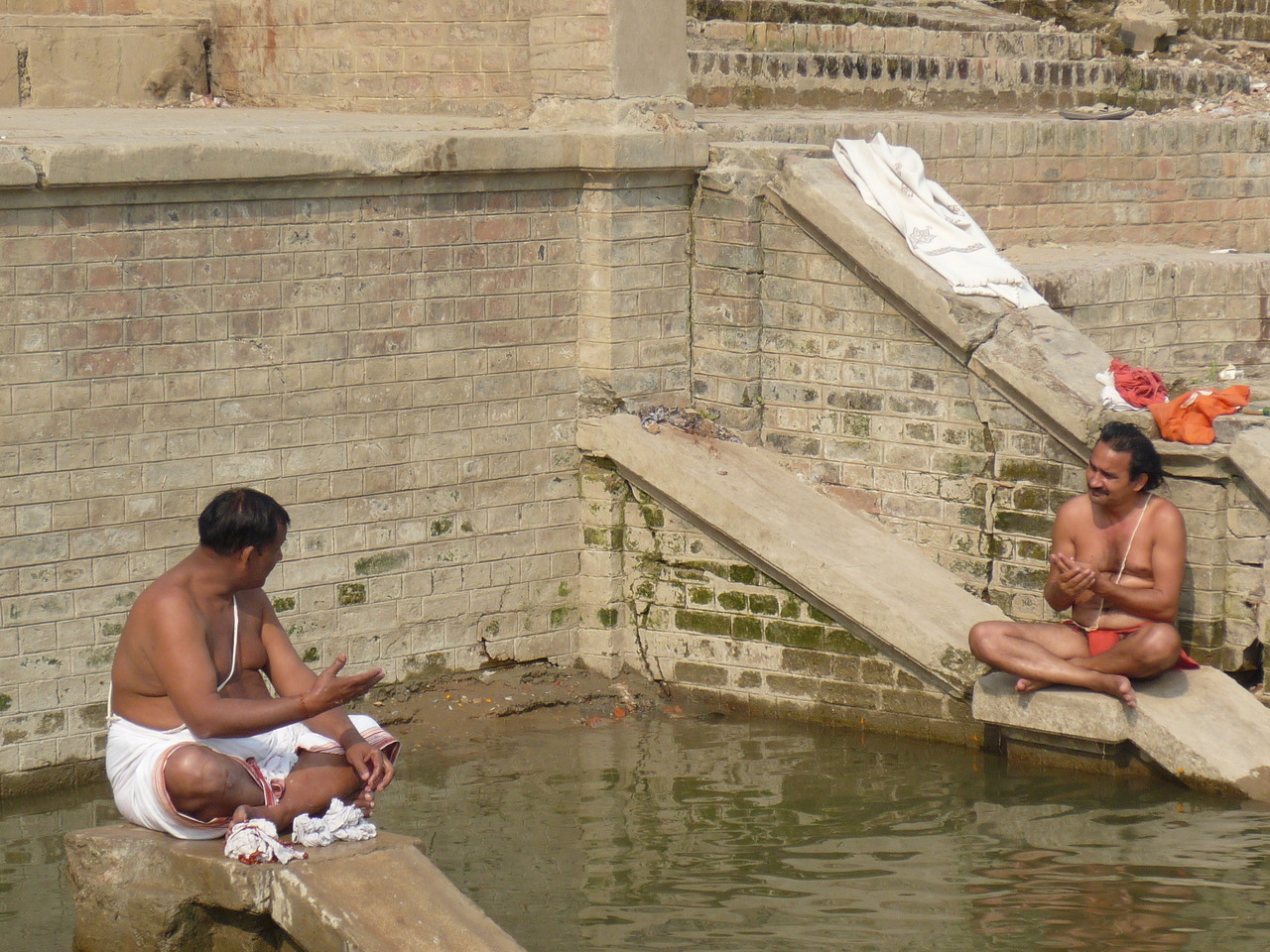
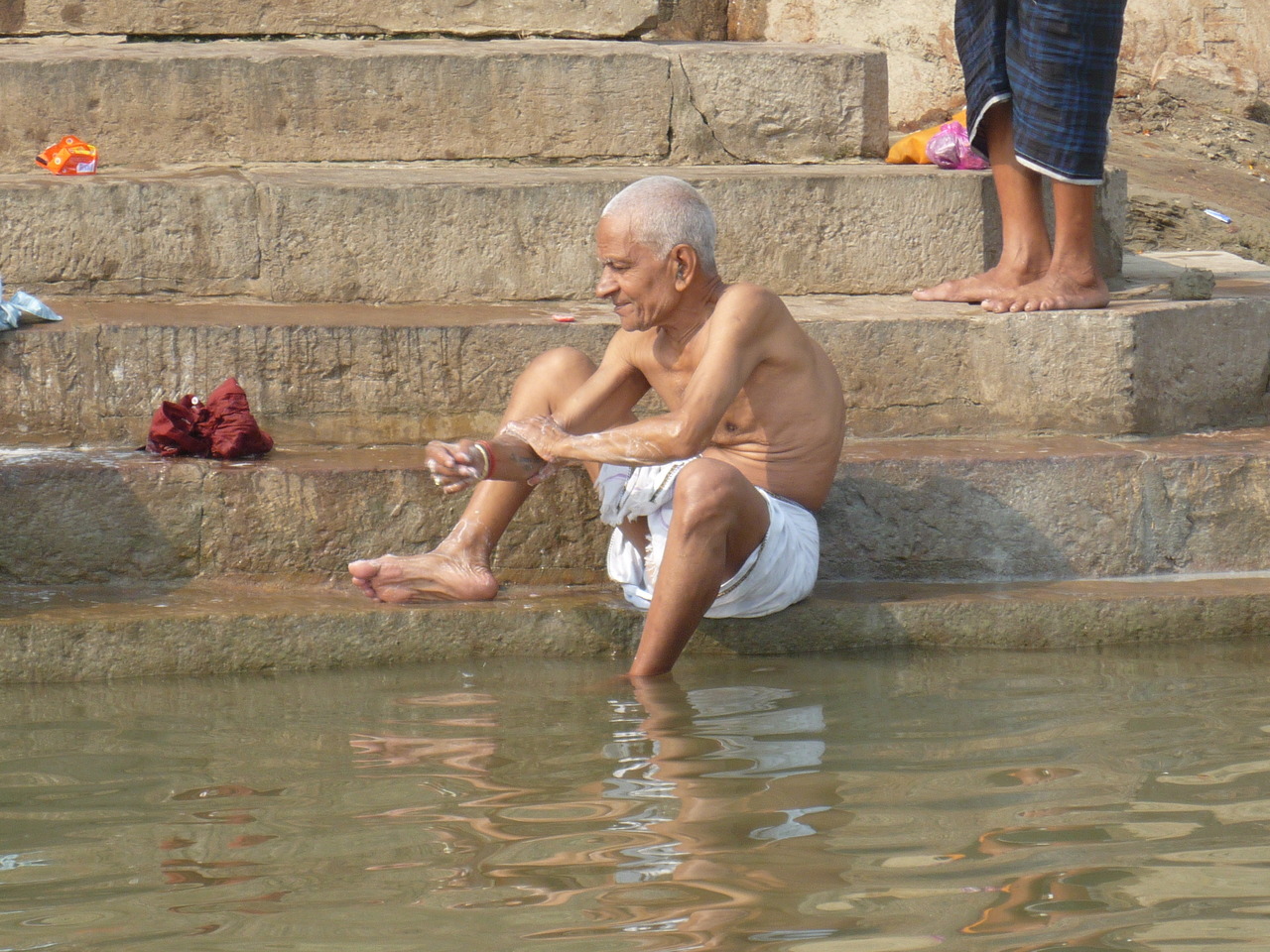
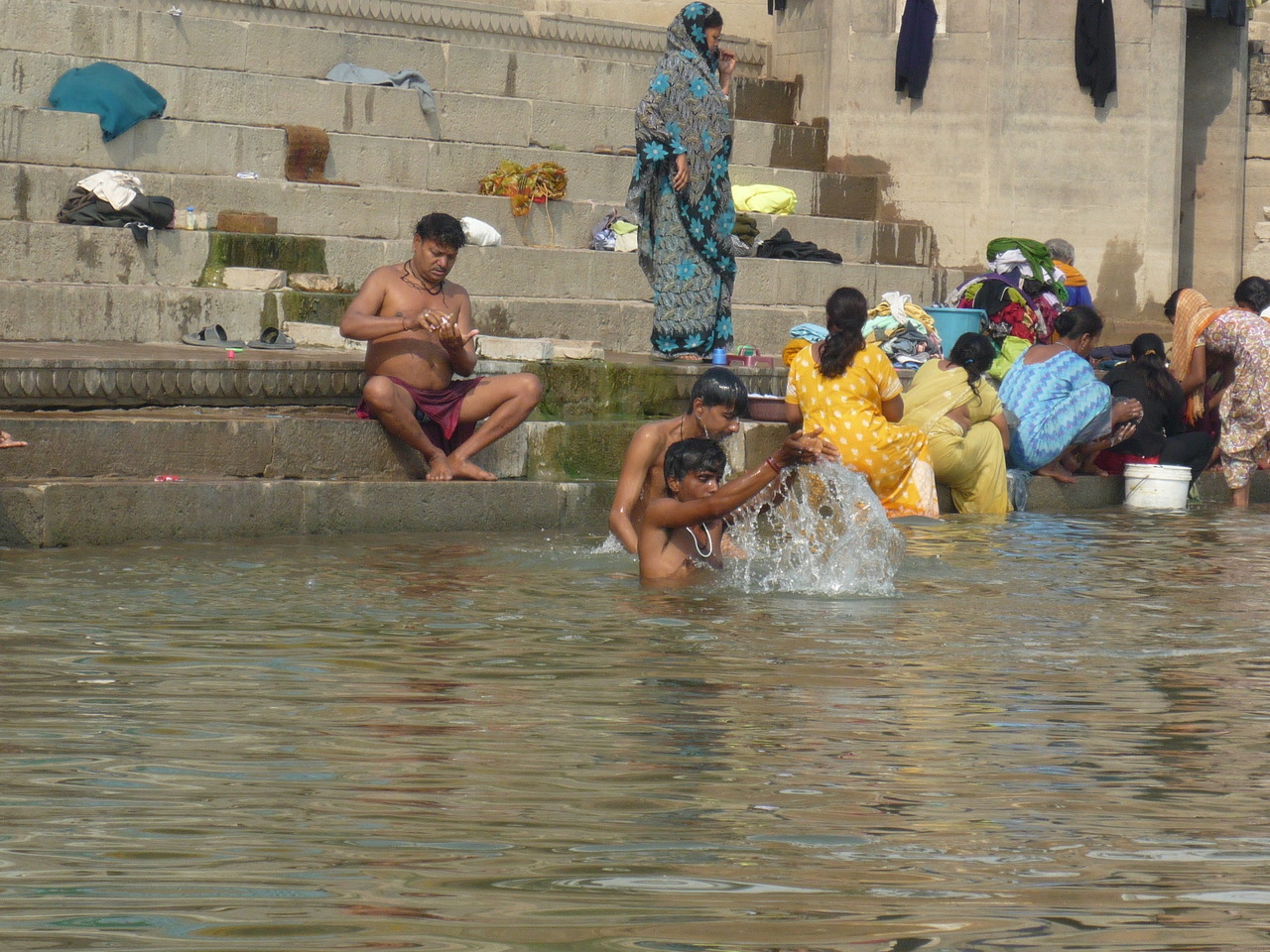
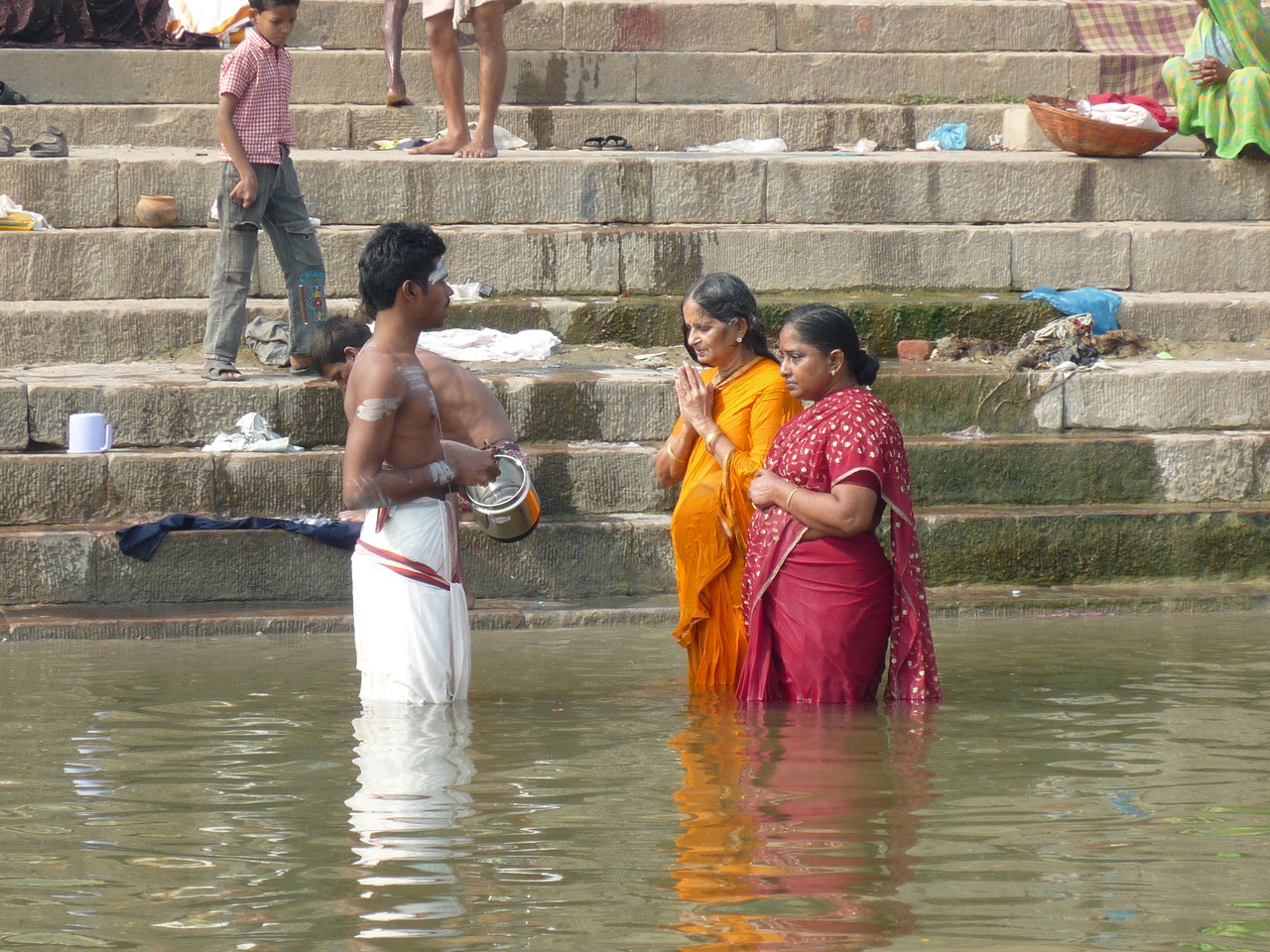
But the Ganges river is also the mother of everything, the source of life itself for Hindus. This is why so many religious rituals take place on the banks of this holy watercourse, why so many people come and take a bath in its sacred waters in order to wash a lifetime of sins. Why it is chosen as the best place to cremate your beloved ones, the best place for a Hindu to end his existence on Earth. So that he can return to the Ganges and propitiously begin the cycle of life again.
I had no idea how long the train journey was – I did not care anymore anyway. I had stopped counting hours spent (wasted?) in transportations for a long time already. The only remaining important detail was where and when I was supposed to catch them.
The time of arrival is of no use when you never have any plan.
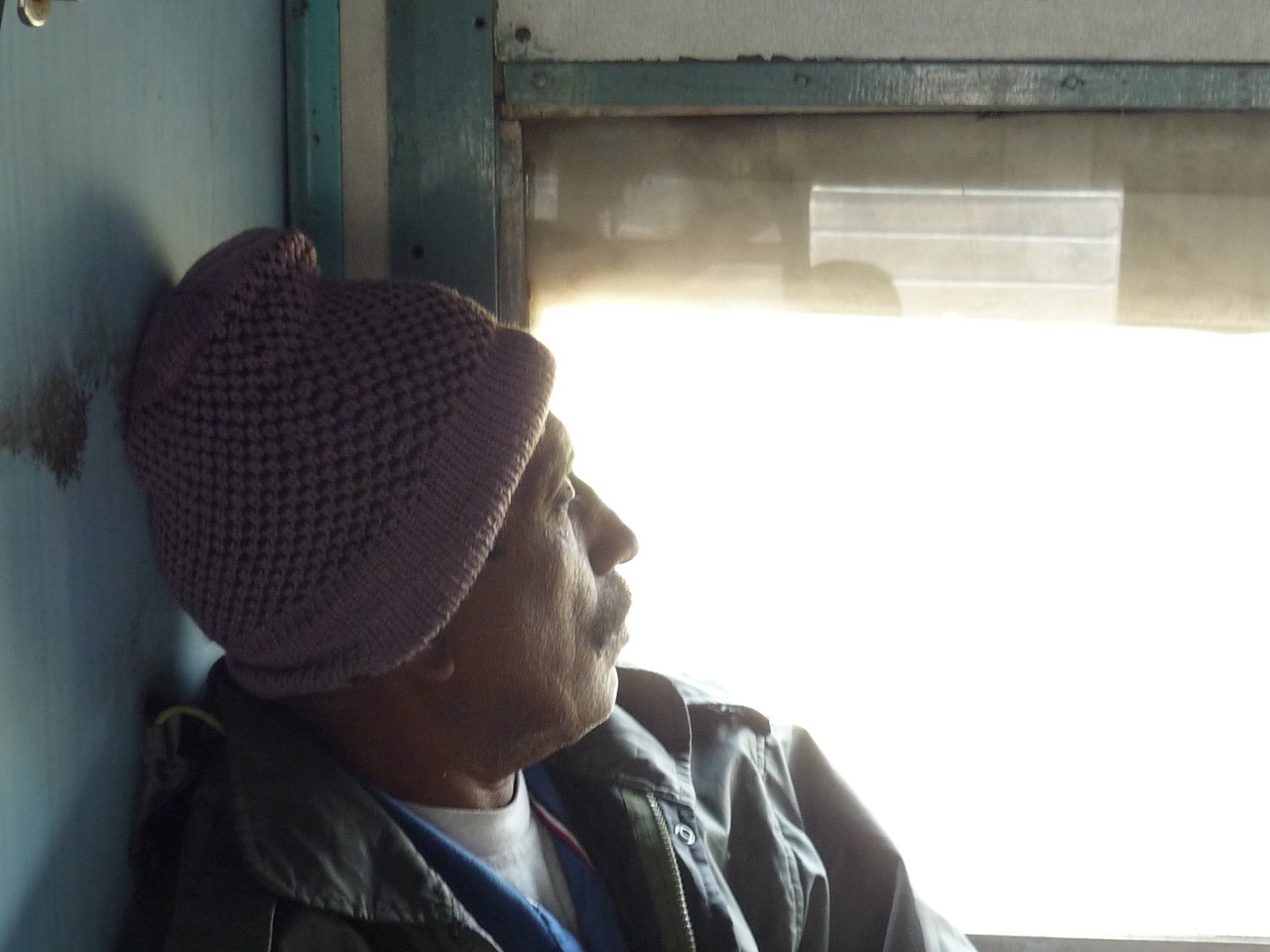
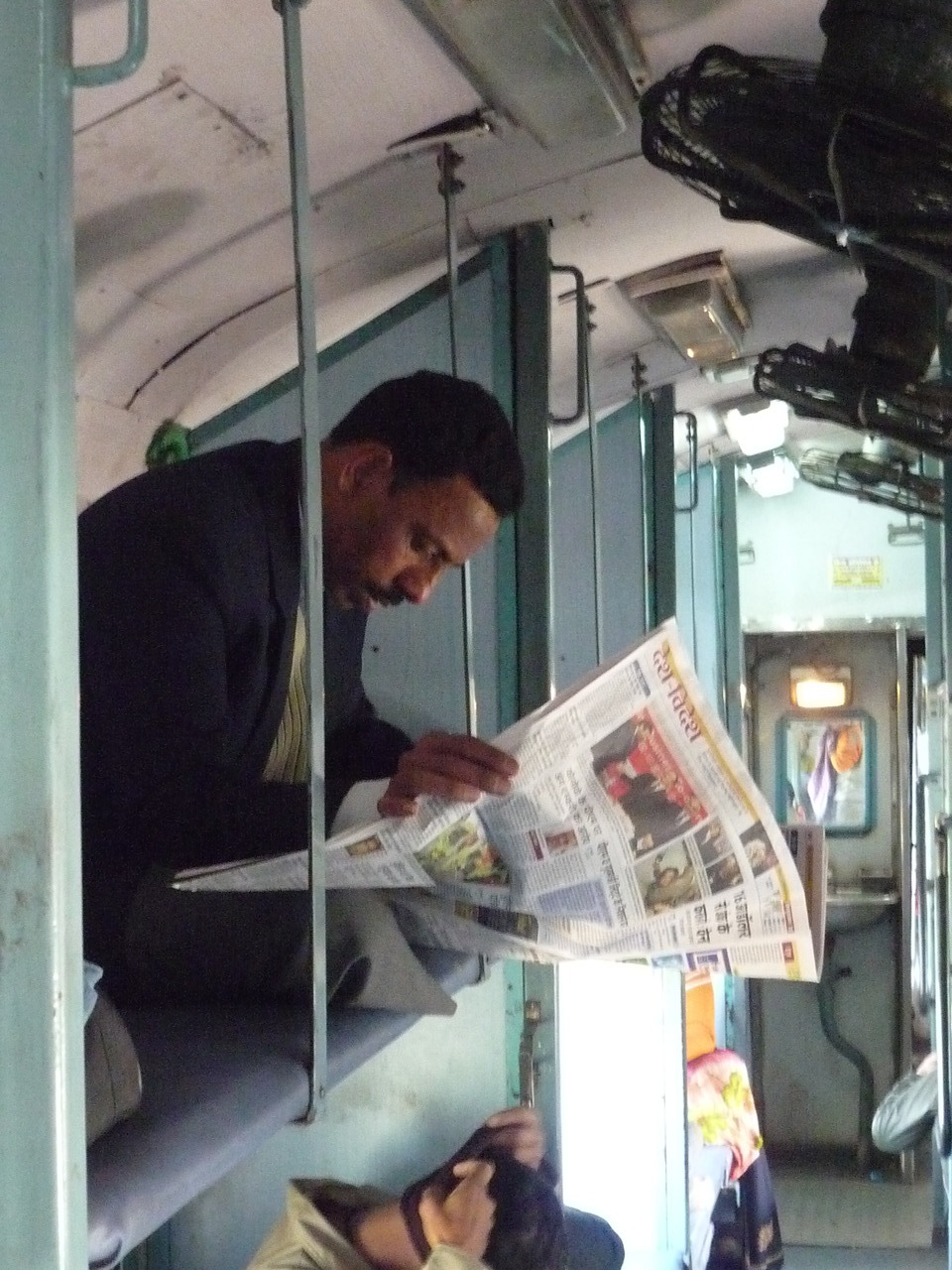
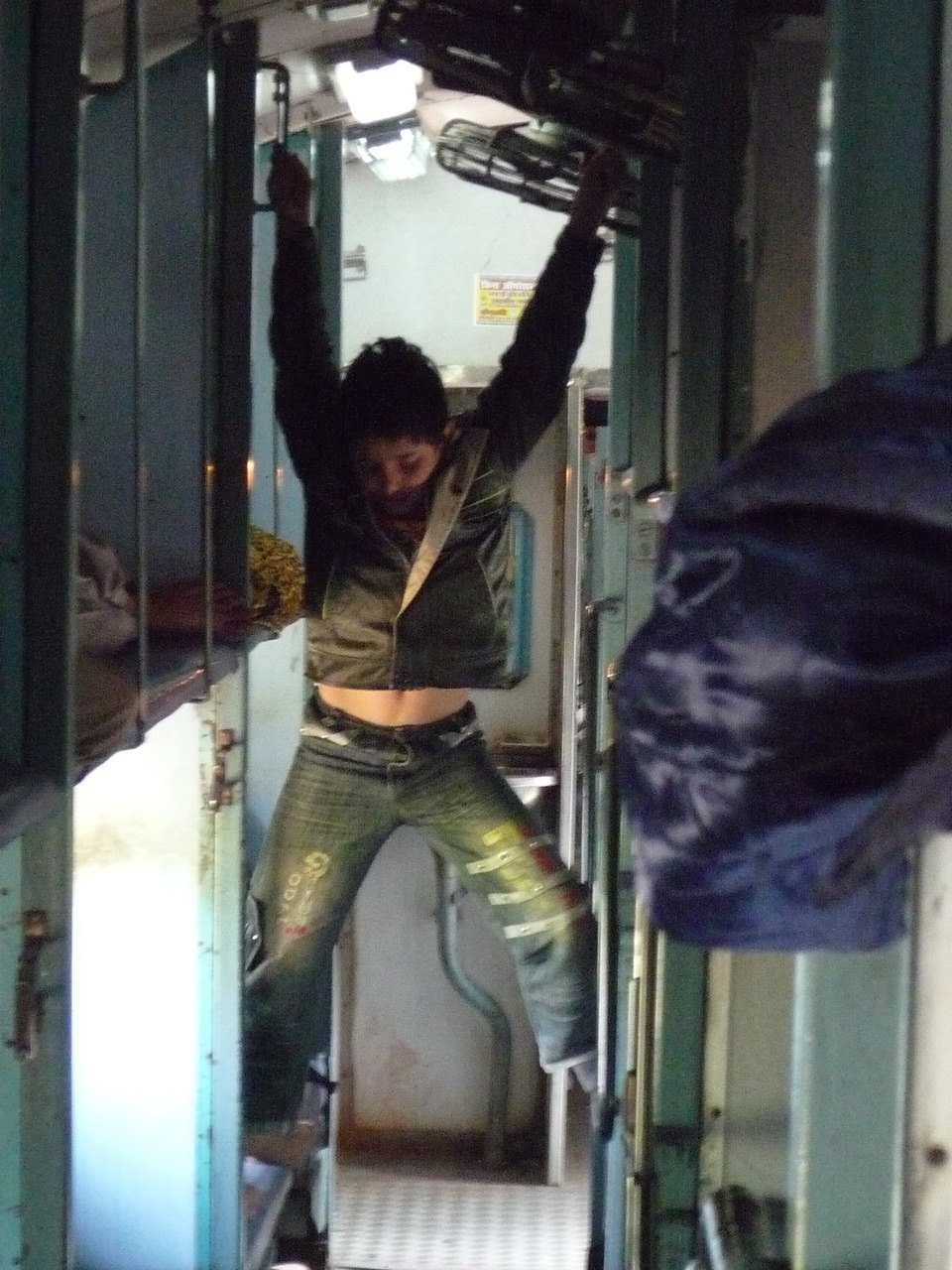
I got down in what seemed to be Varanasi station (the locals around me were looking positive when I asked ‘Varanasi?’; I confirmed my position by asking to a backpacker on the platform. He seemed a bit shocked by the fact that I did not know where I was), got out, sent some rickshaw drivers trying to rip me off to hell and took another one, three times cheaper, only fifty meters further.
I do not know if it was because of the seven weeks I had just spent in between swindlers and touts in various parts of the world, but I clearly lacked any patience when I got into Varanasi. And it is apparently one of the worst places of the whole country to lose patience. You simply cannot walk alone for more than five minutes before a local tries to engage a conversation with you, asks you where you are going, tells you he is going to guide you to your hostel, that his’ is nearby, that this one is a good guesthouse, and that even if you are going the other way he was heading in the same direction as you. I got followed by more people in a few hours than in my entire life. One did not let go even after I tried to lose him for fifteen minutes (I have to admit I am pretty bad at hiding in the middle of an Indian crowd when I have my rucksack). Good thing the military are more difficult to bribe here than in Egypt.
After hours of wandering in the endless maze of tiny streets in the ghat districts, I finally found a decent guesthouse with nice and honest people running it. How did I know? The two old men did not even look at me when I got in. I put my bag on a couch, sat down, and waited for them to finish eating their peanuts. Finally, one turned to me and we started bargaining. It was a long, calm, developed and well-argued discussion, where we would in turn expose our needs, our possibilities and our financial budgets – the most interesting bargain of my life. We finally found a common ground and I crashed in my room.
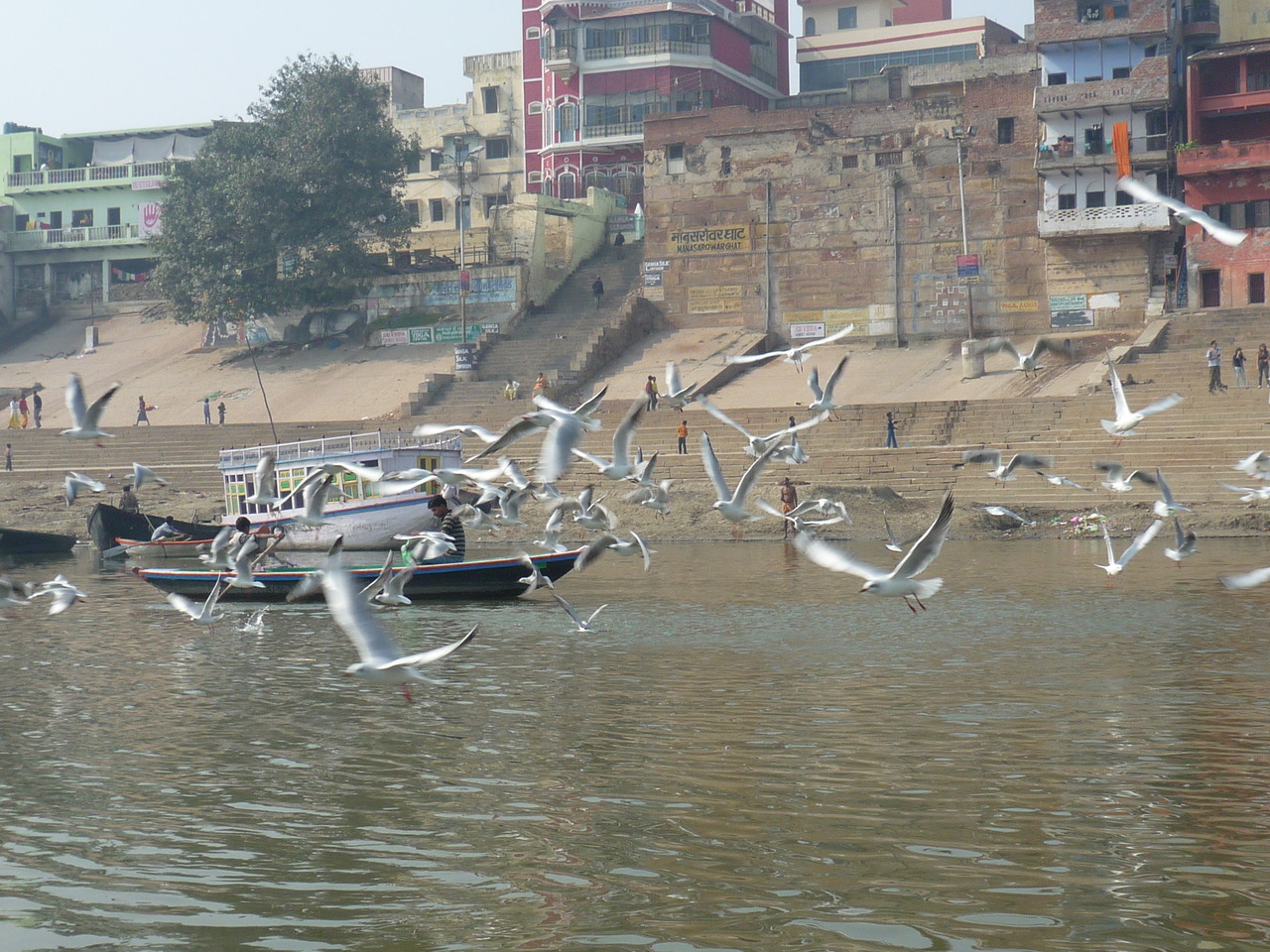
But did not stay for long. I took a walk outside, in the dark – the night had already fallen. I got the nearest ghat, hired a boat and silently went down for a few kilometers to watch the daily religious ceremony dedicated to the Ganges.
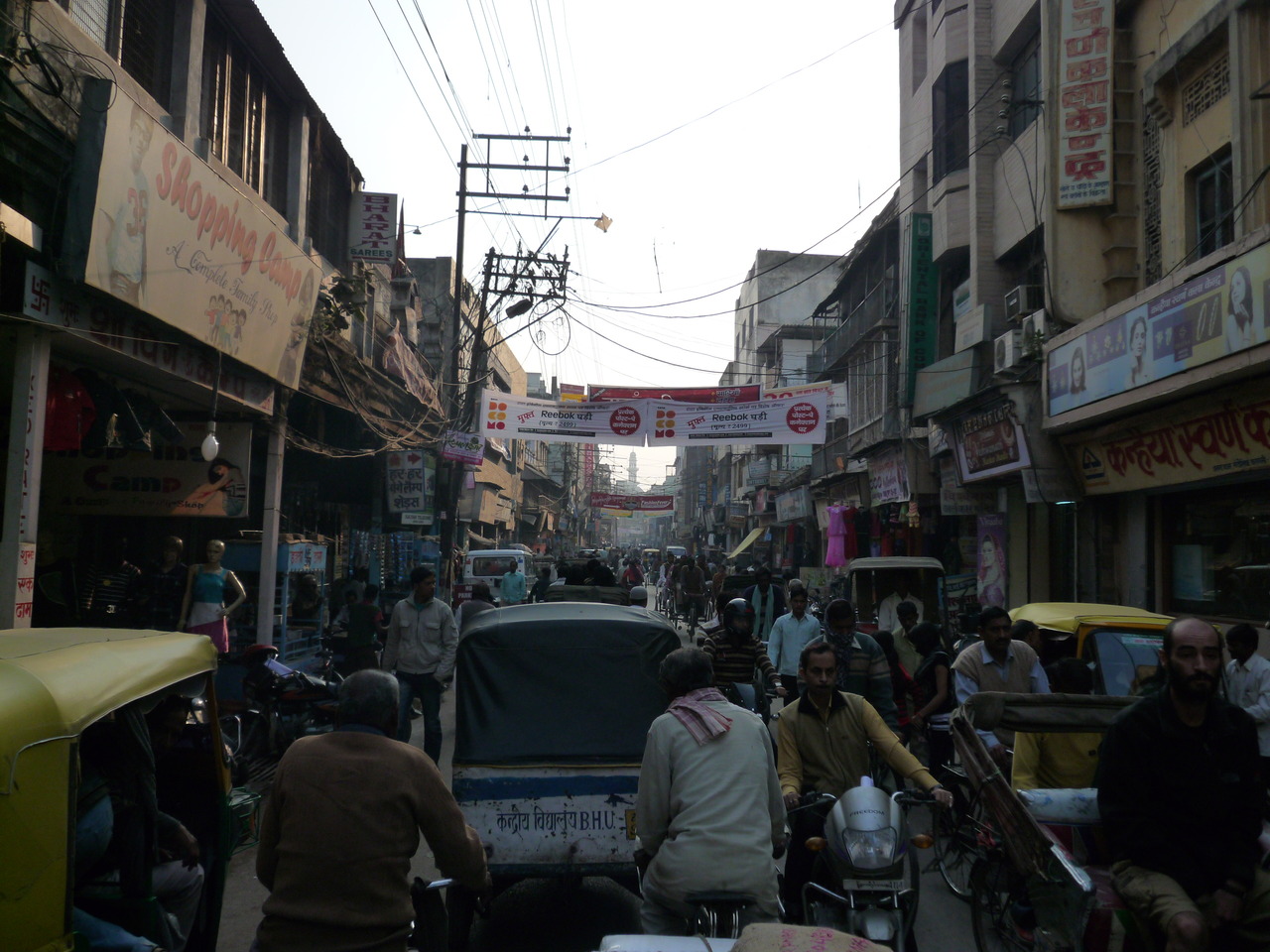
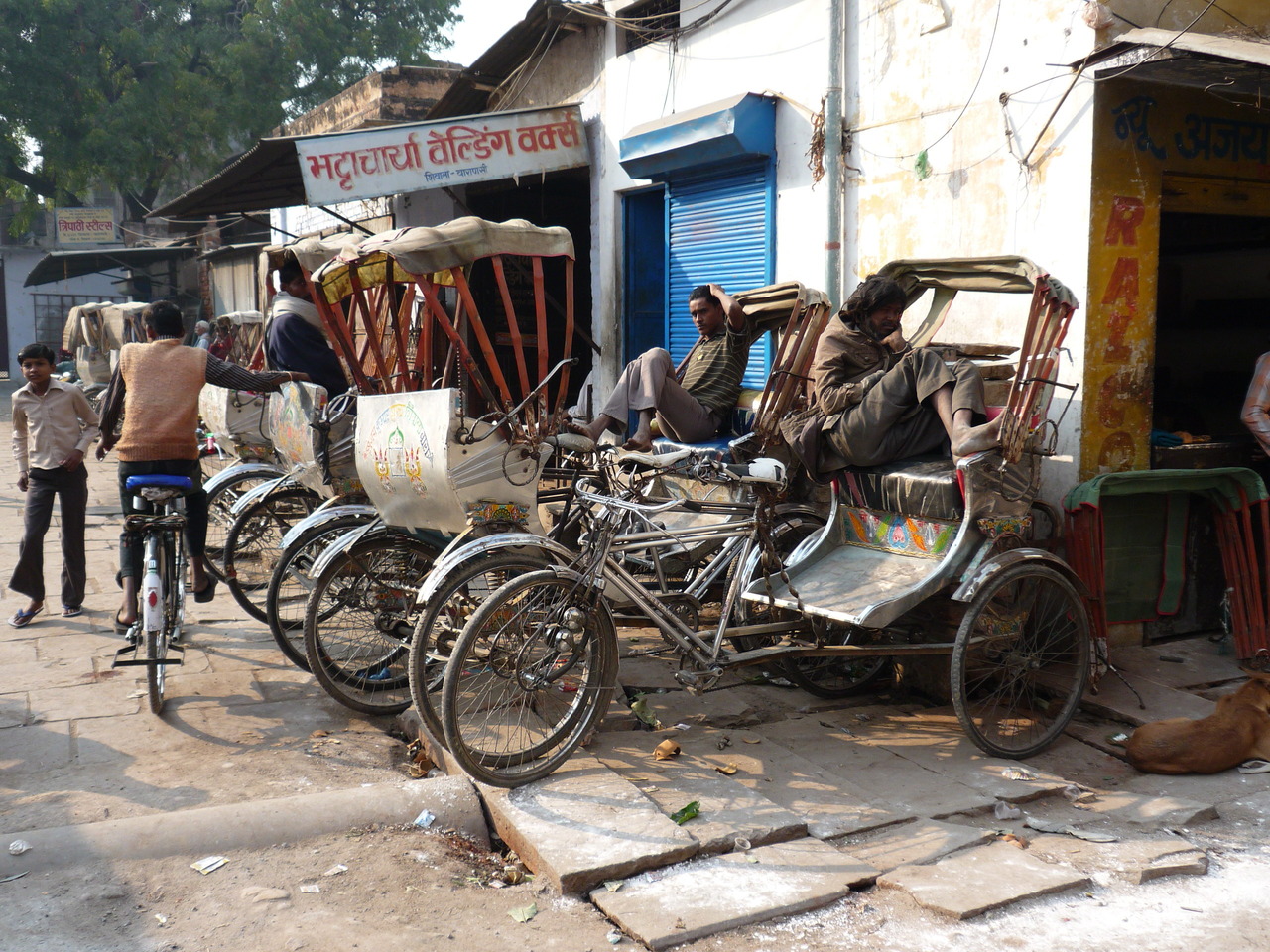
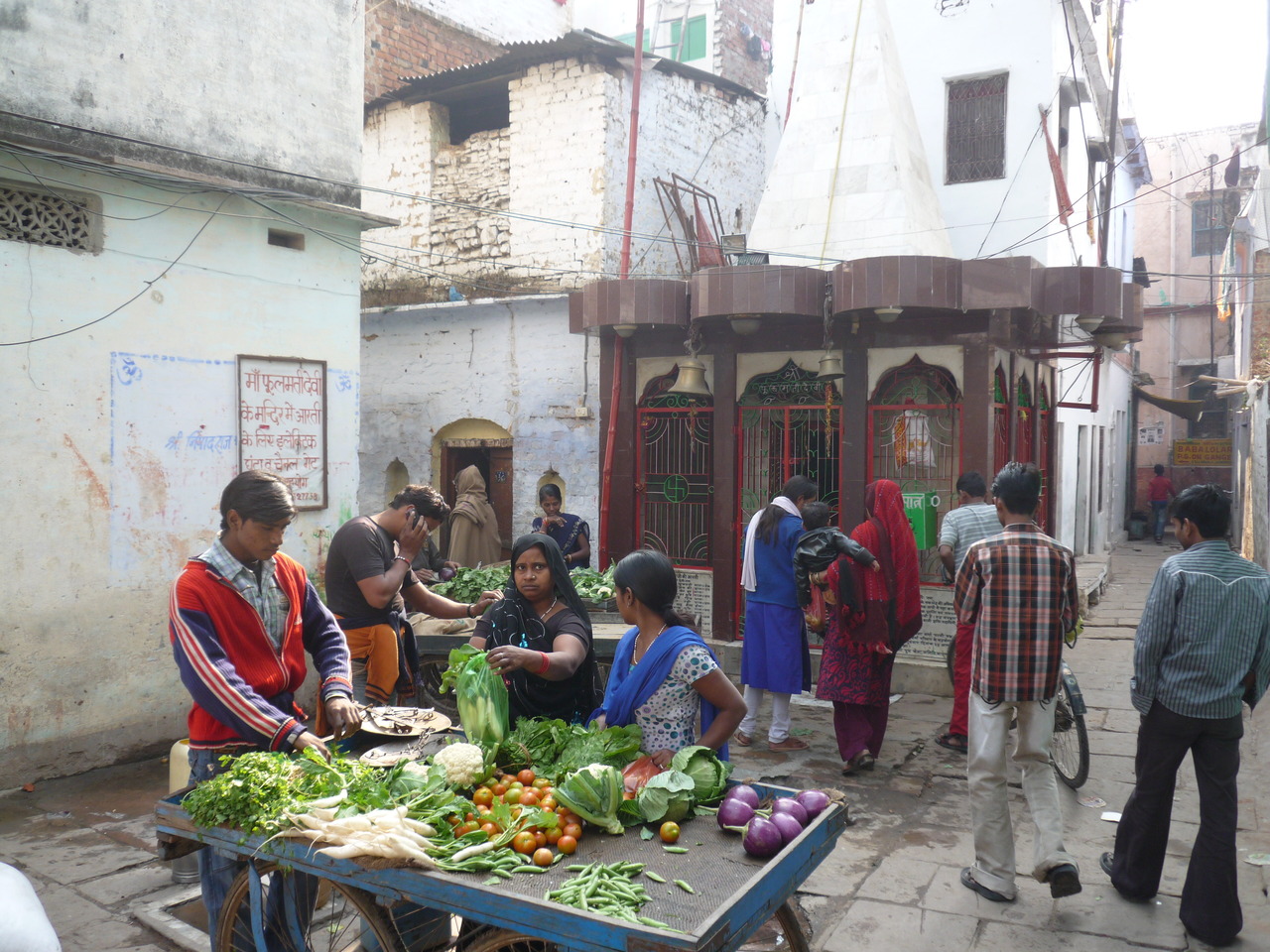
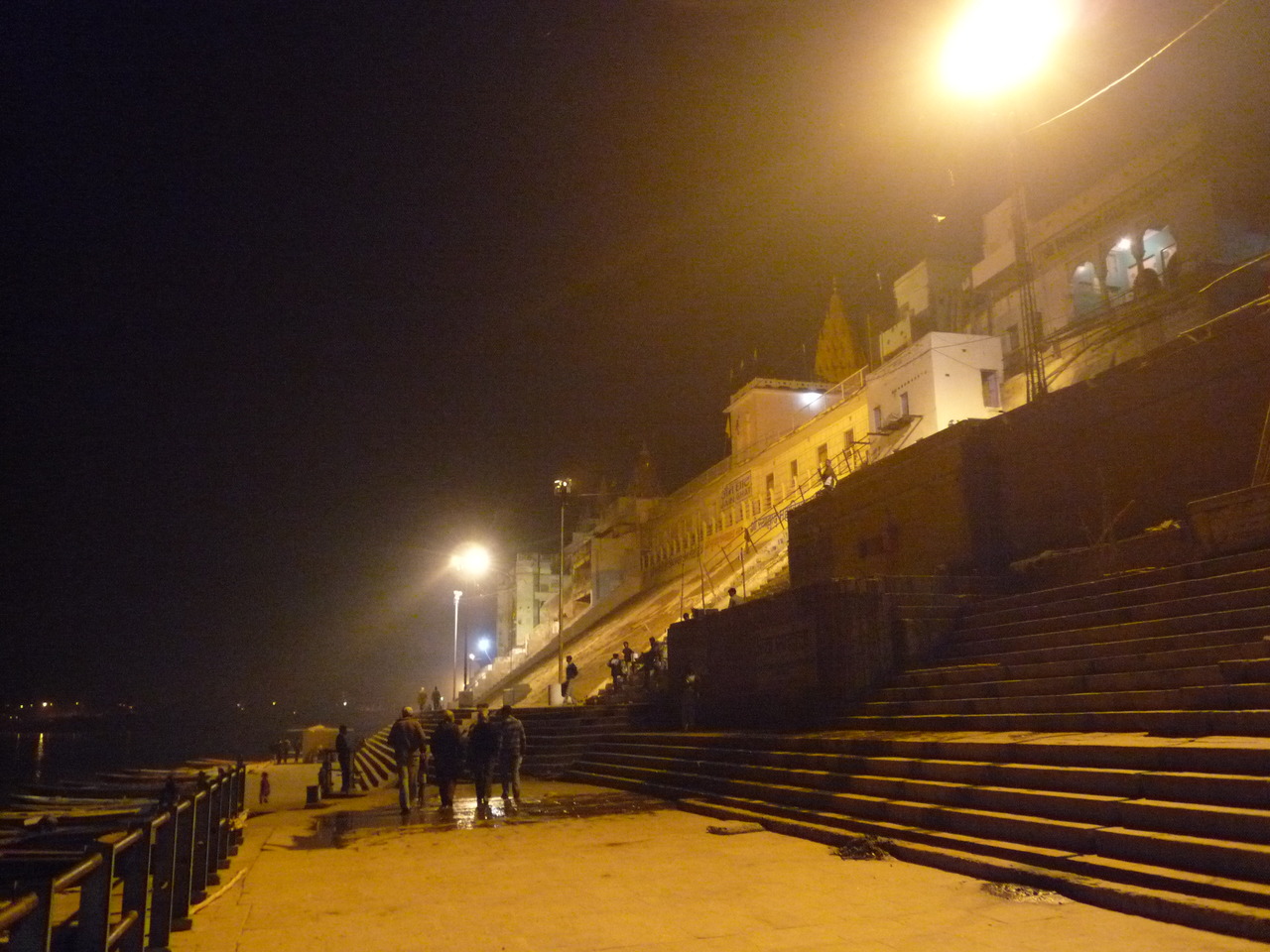
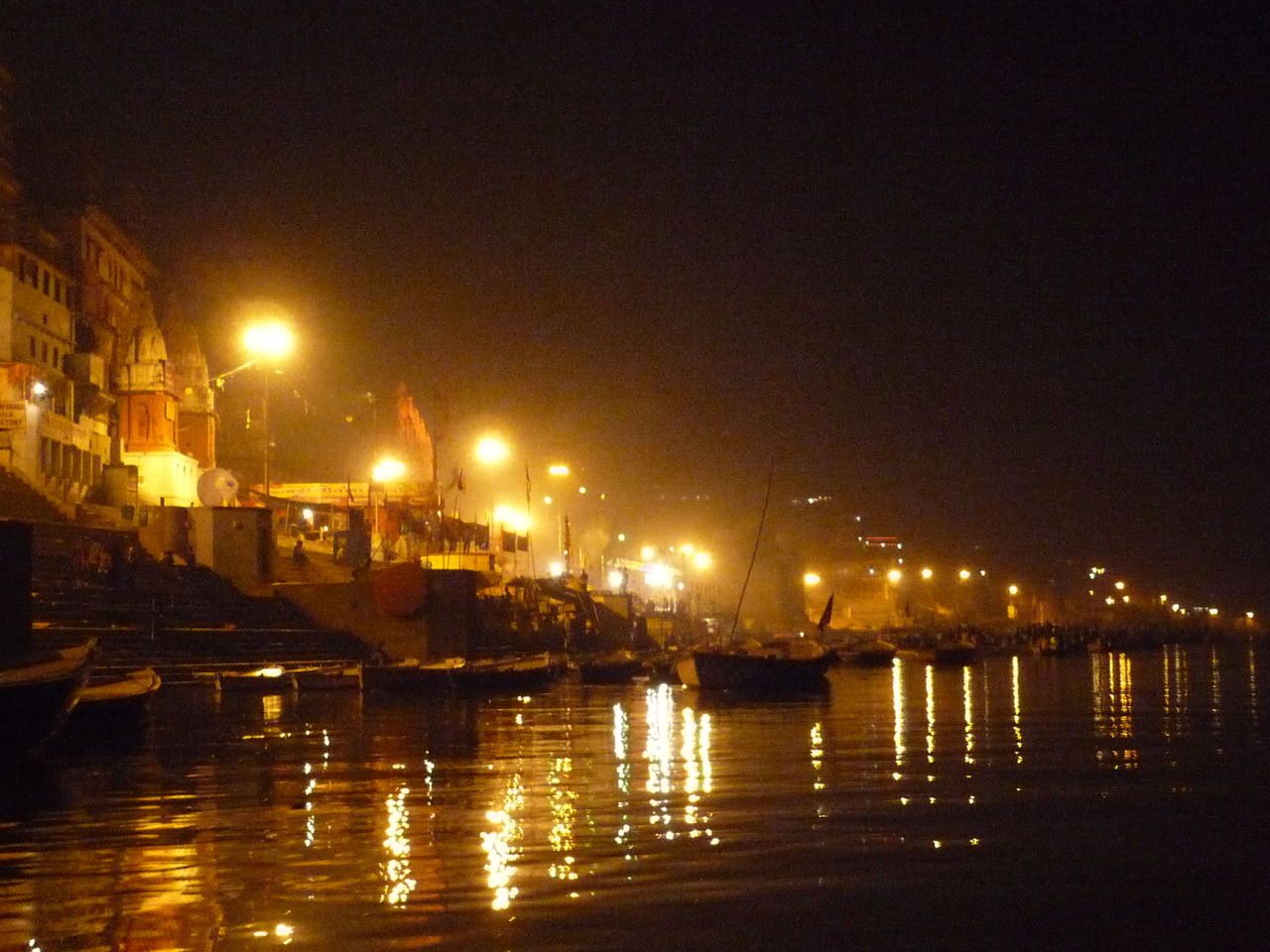
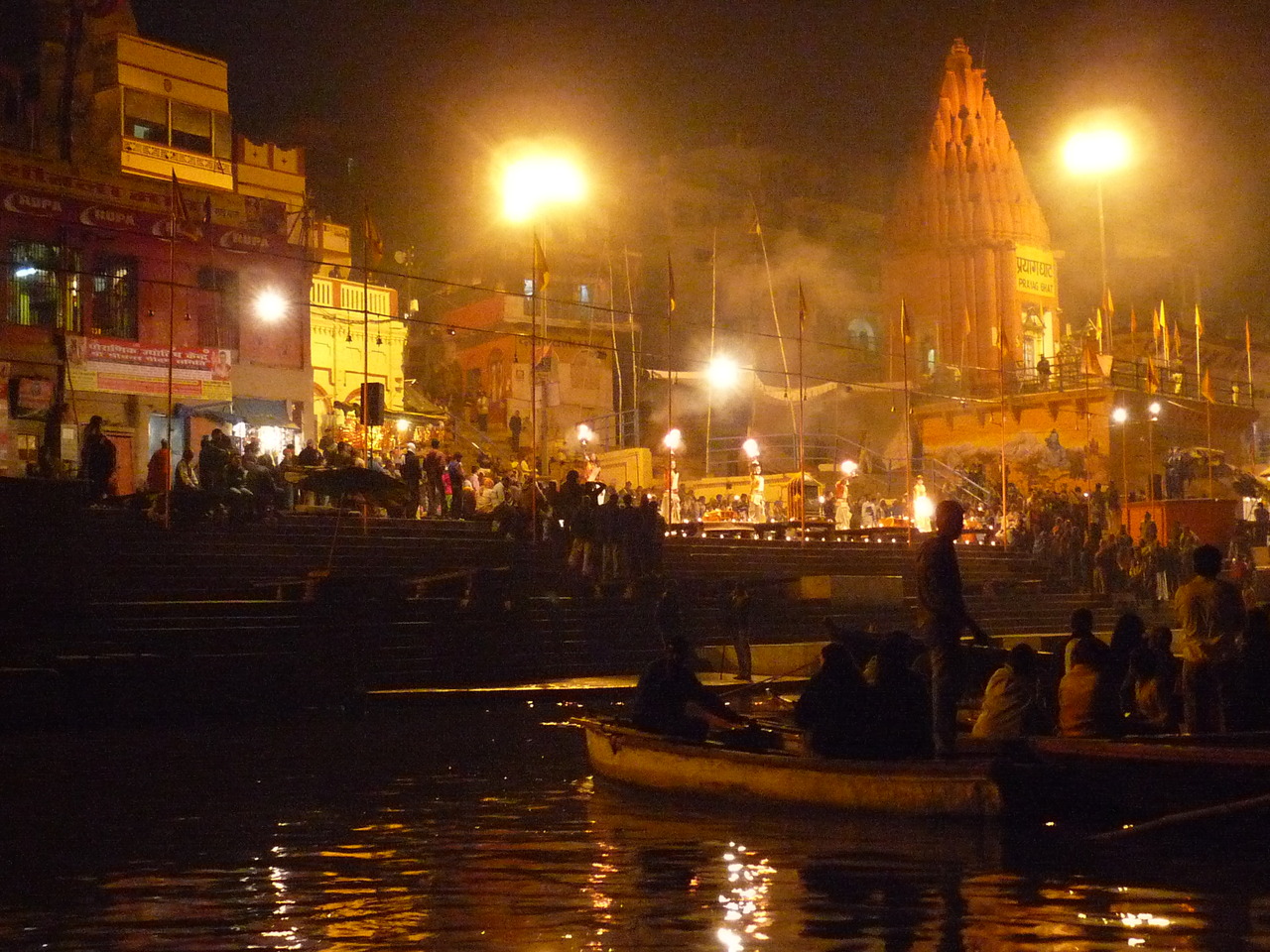
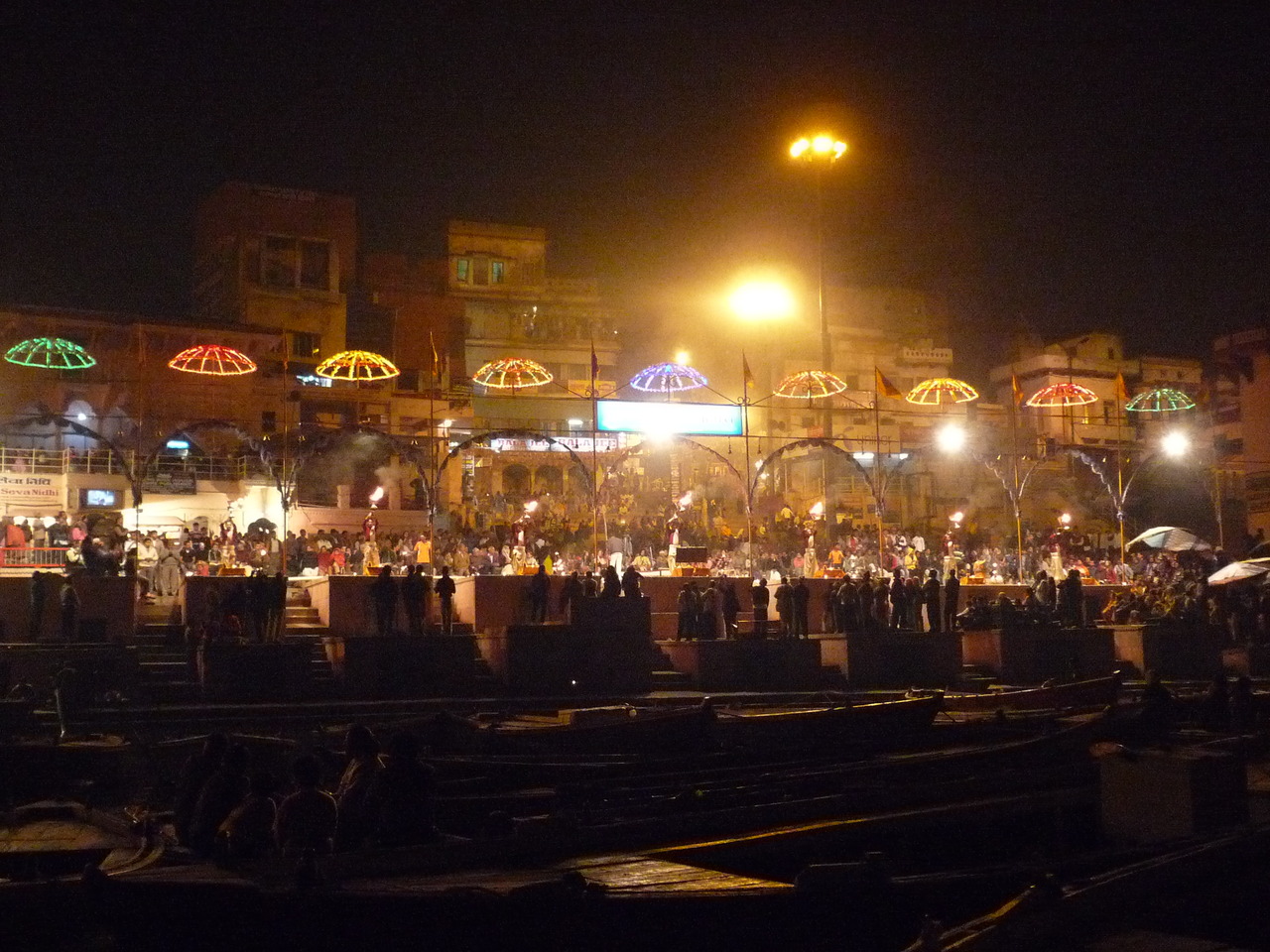
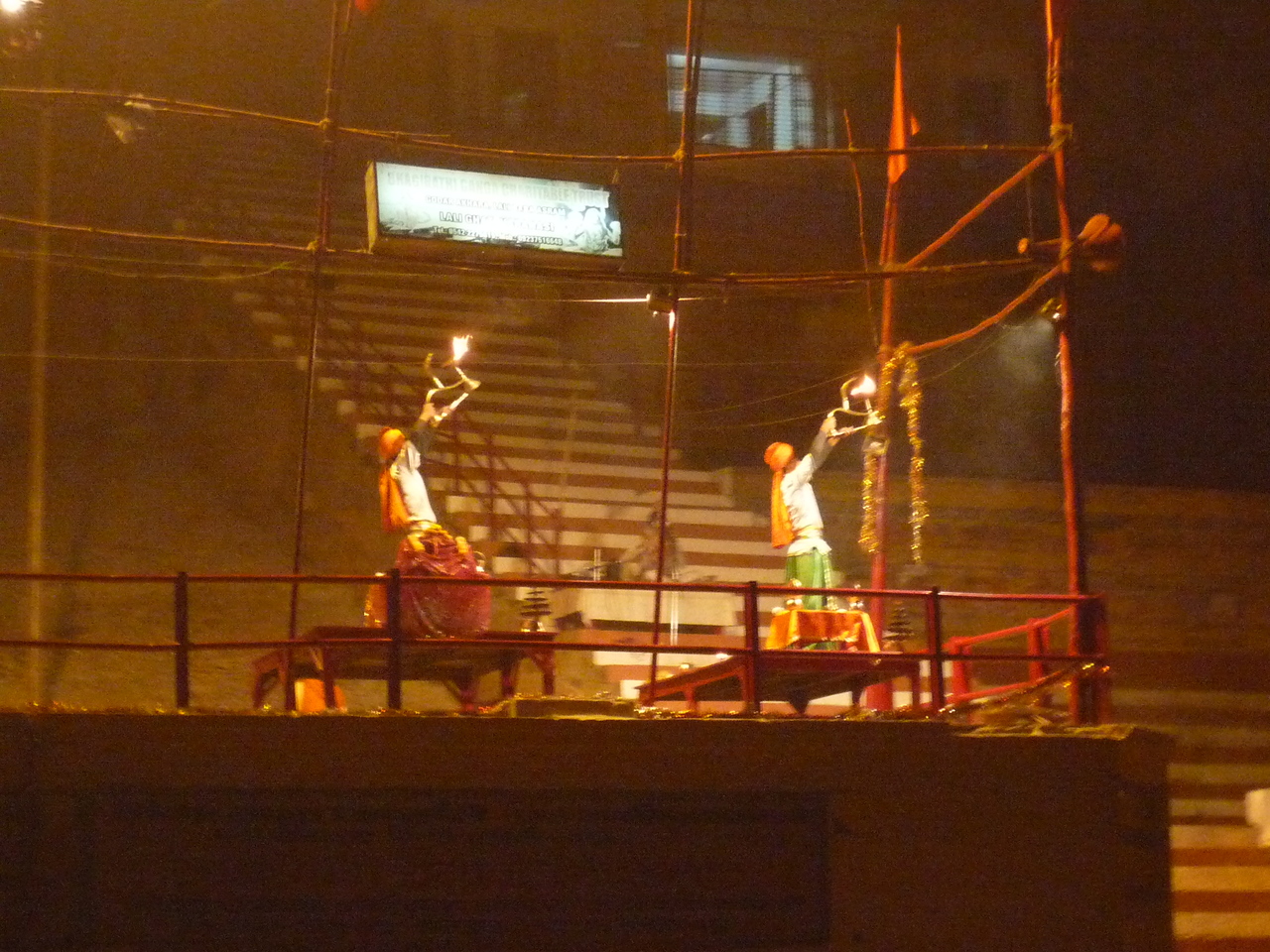
I took another boat in the little morning, in order to witness the early rituals and daily life of the locals on the ghats. It made the whole trip to Varanasi worth it. I was there, trying to memorize every single detail I could catch from the amazing scenes I saw; sometimes standing, taking dozens of pictures from every possible angle, sometimes just sitting and gaping before the beauty, the simple beauty of the age-old way of life led by the Indians on the banks of the Ganges river.
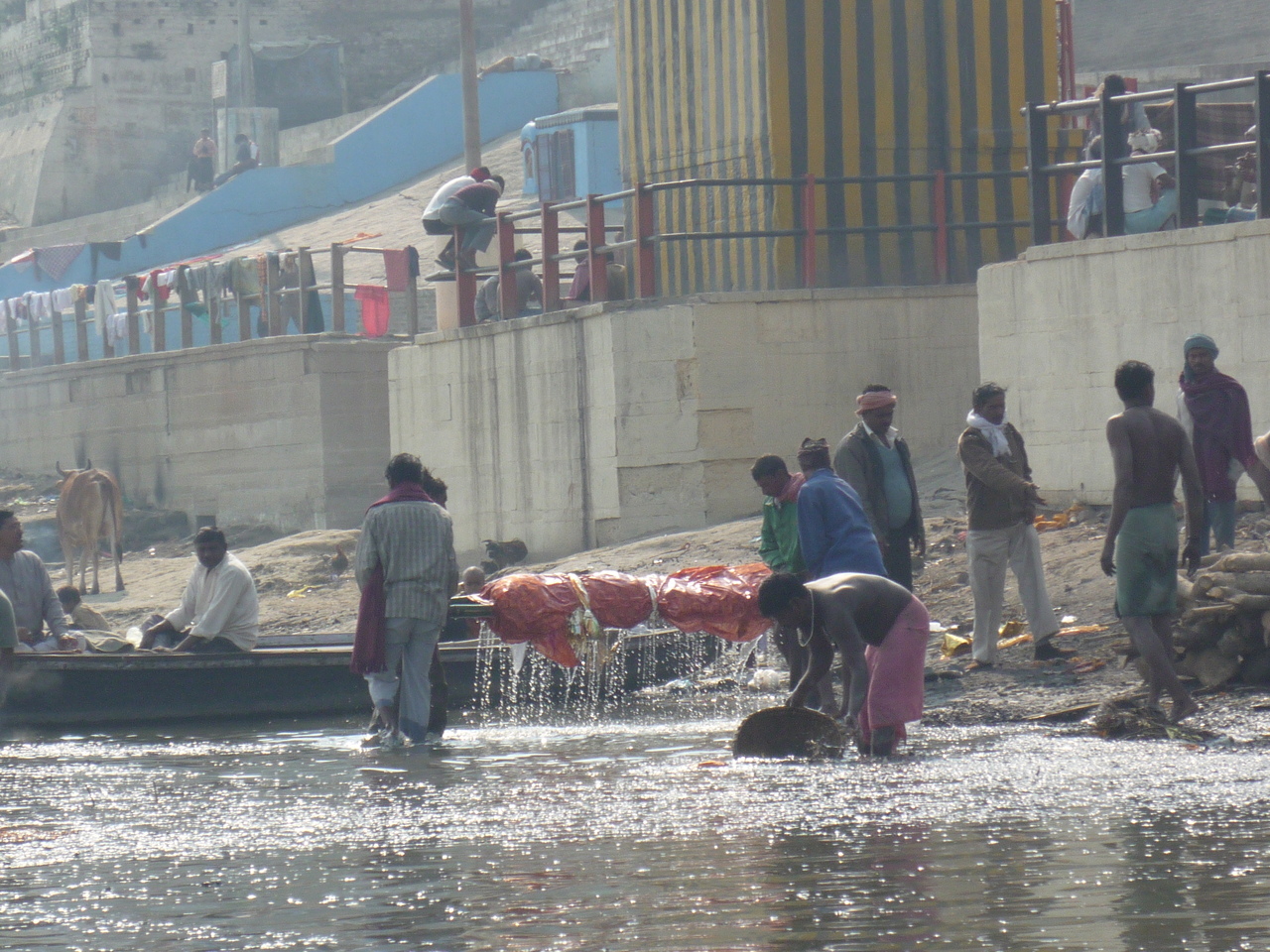
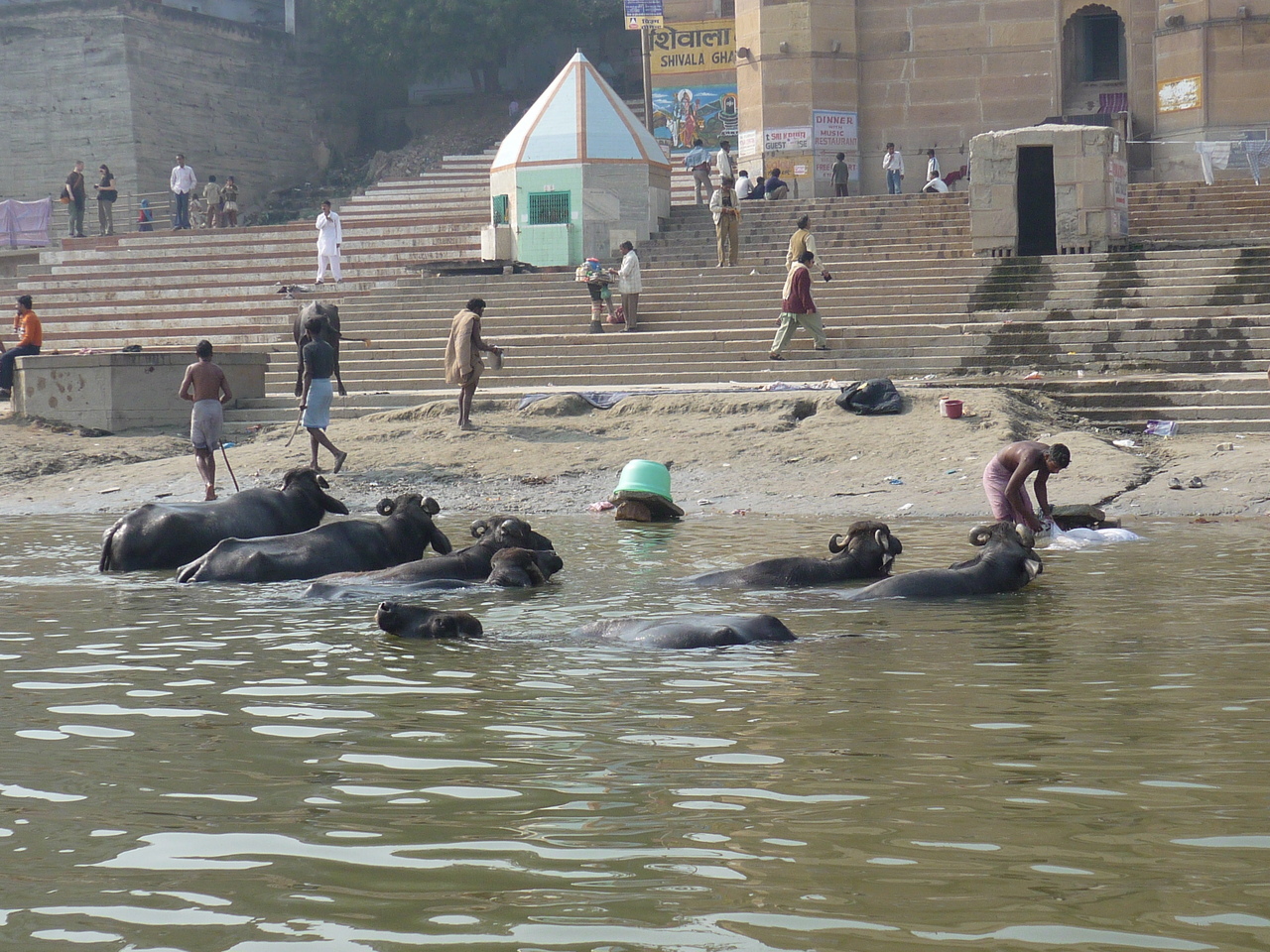
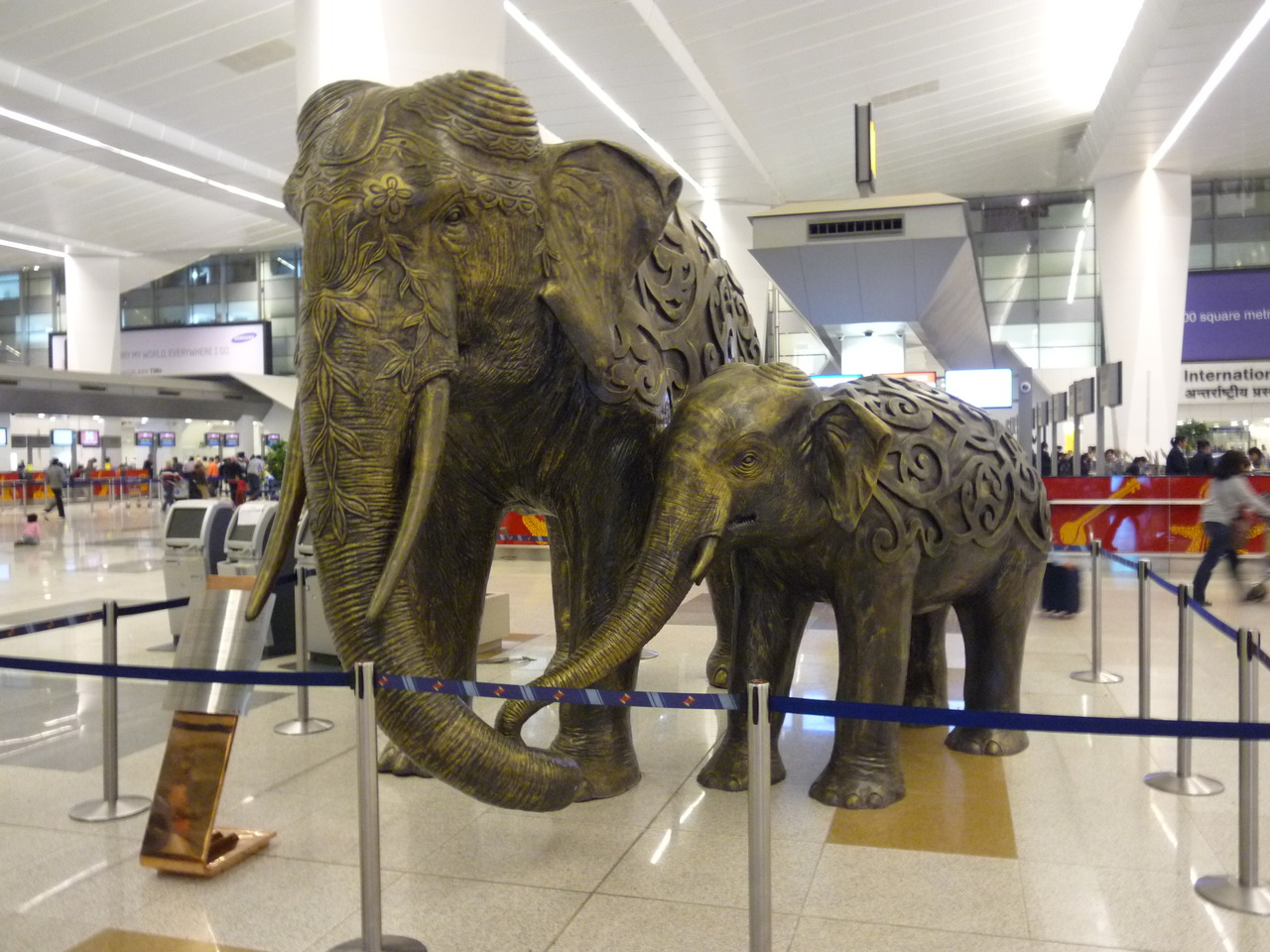
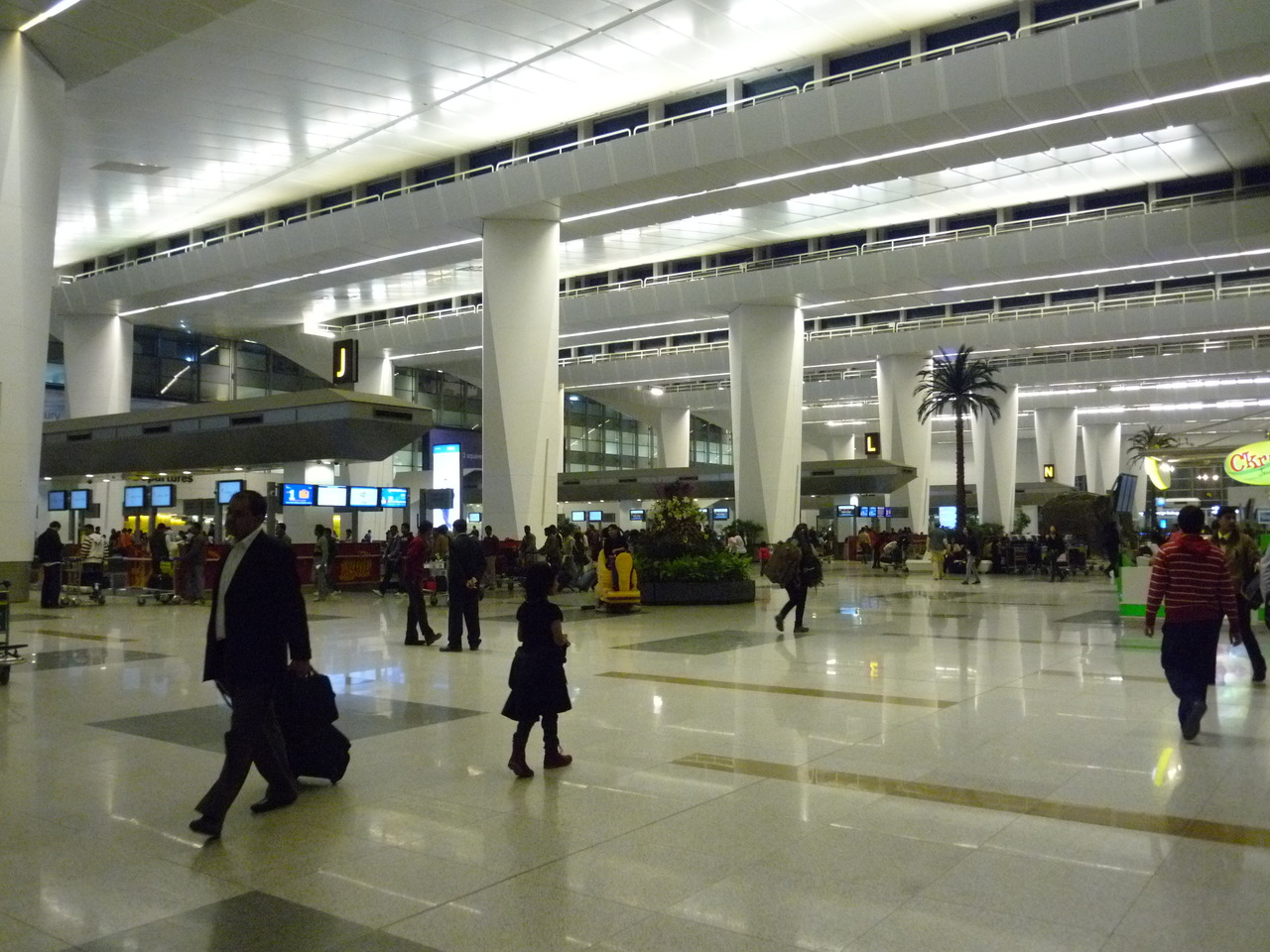
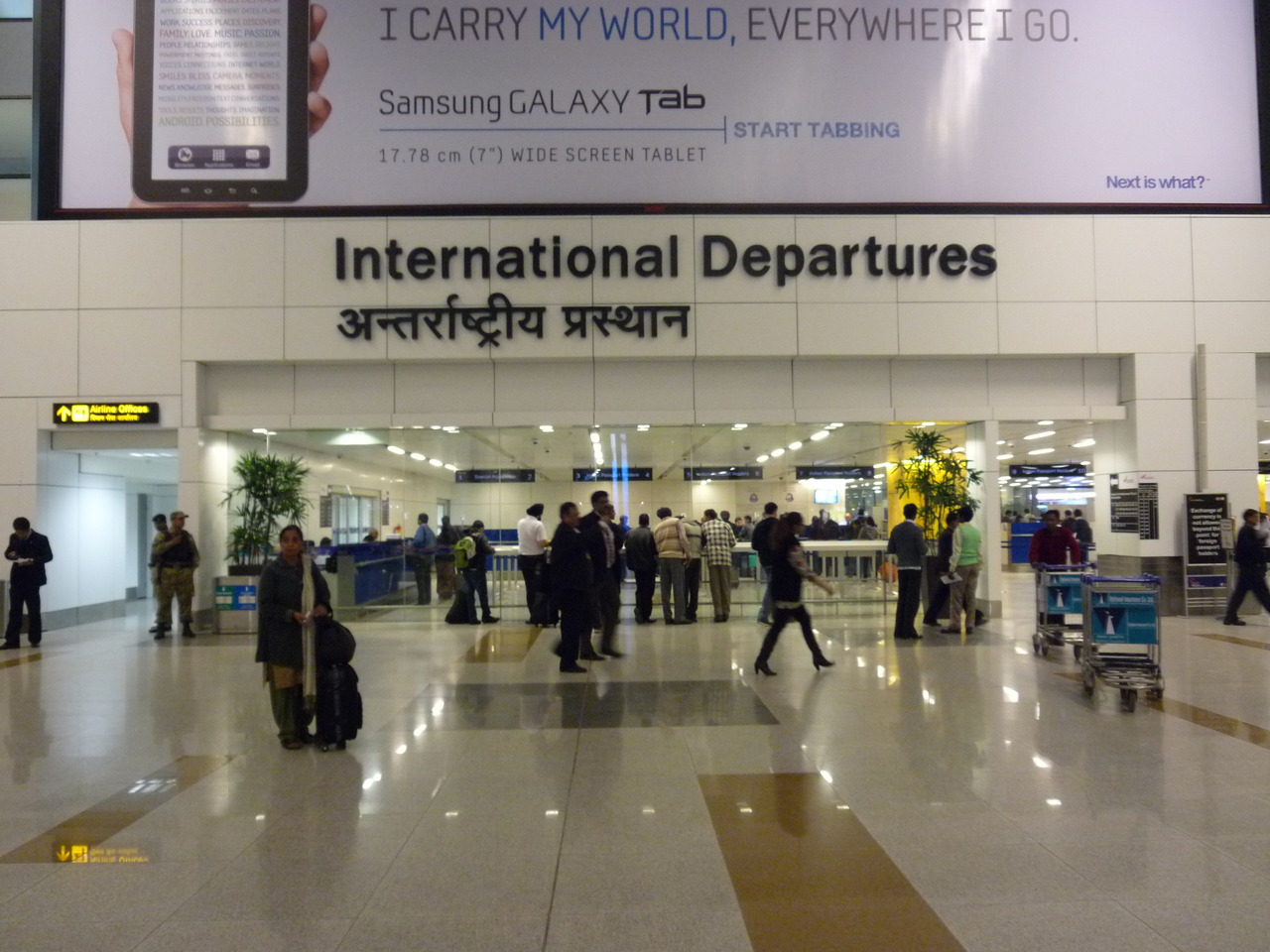
The night after, I was in another overnight train to Delhi, the capital of India, and as such, the most modernized and rich city of the country. Which also made it the most uninteresting to my eyes. I took advantage of a bit of free time to finish what I had to do for a long time, and gave away my Lonely Planet to a British traveler fond of trains (he had planned on taking Indian trains for fifteen days with no interruption, in order to establish a new record) – at the sole condition that he would do the same before leaving the country.
I hope it will have its own story to tell, made of adventures, bad and good times, between the hands of people from all over the world.
And before I knew it, I was running behind a bus, waiting in a queue for the customs, and sitting on a plane to Hong Kong. Regretting not to have more time to spend in the mighty subcontinent of India.
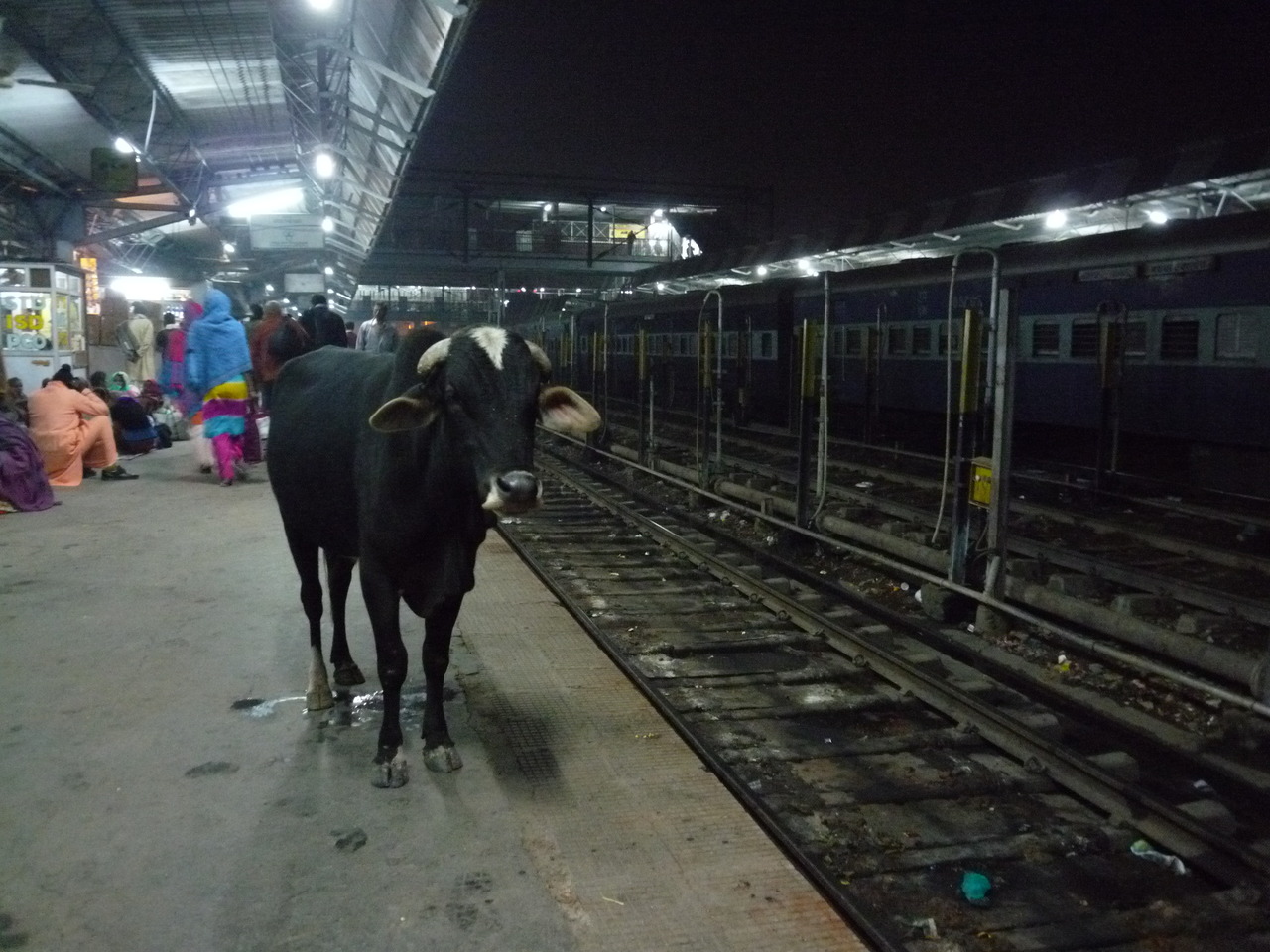
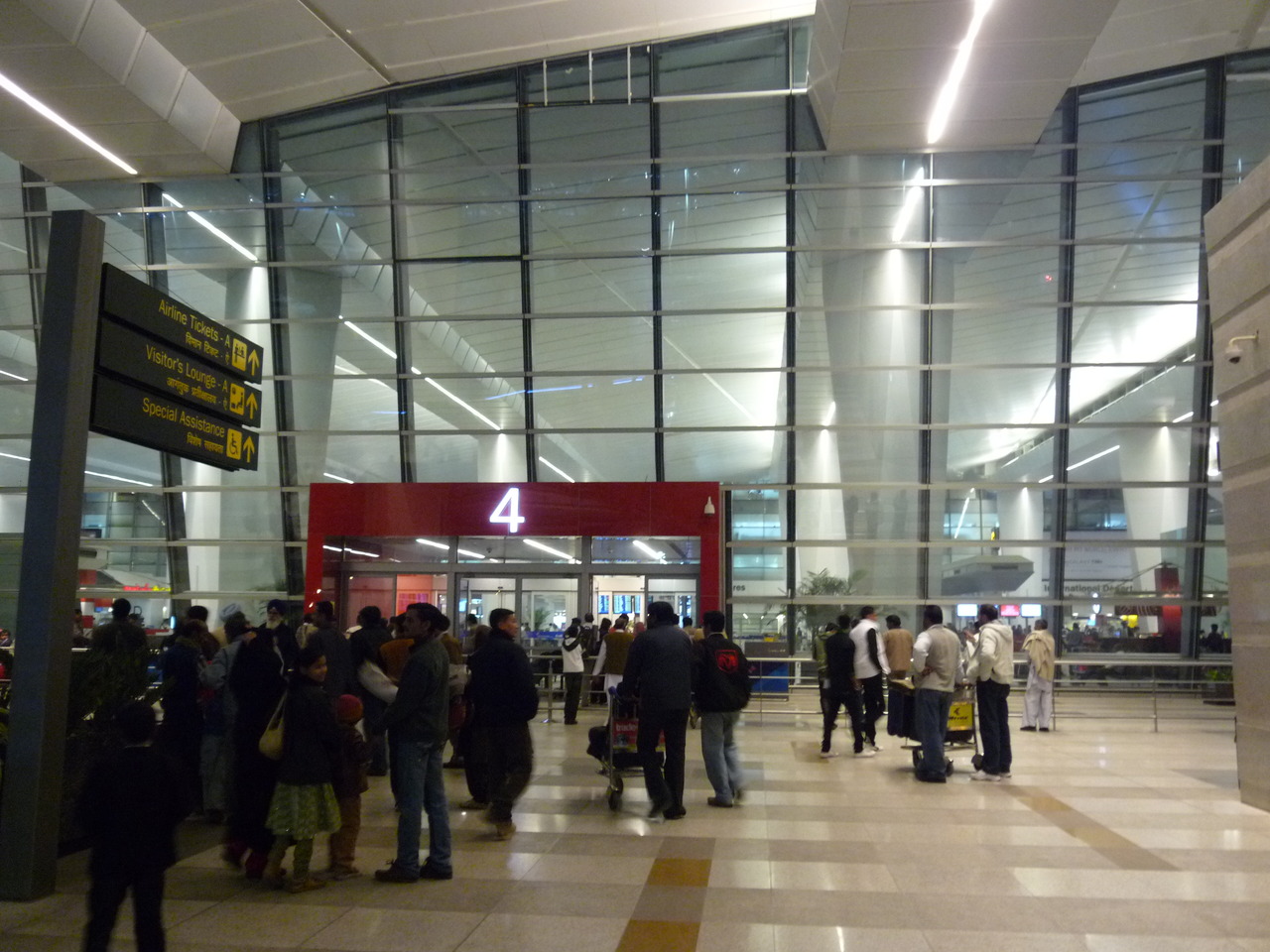
Beautiful photos ! I can see India at home. Thanks !